Personal growth begins with the way we connect, express, and listen. Communication isn’t just about talking, it’s about understanding yourself and others more deeply. When you improve how you communicate, you enhance confidence, empathy, and emotional intelligence, all essential pillars of personal development. In today’s fast-paced world, mastering communication skills is one of the smartest investments you can make in working through self-doubt as you grow.
What Are Communication Skills? The 4 Core Types Explained
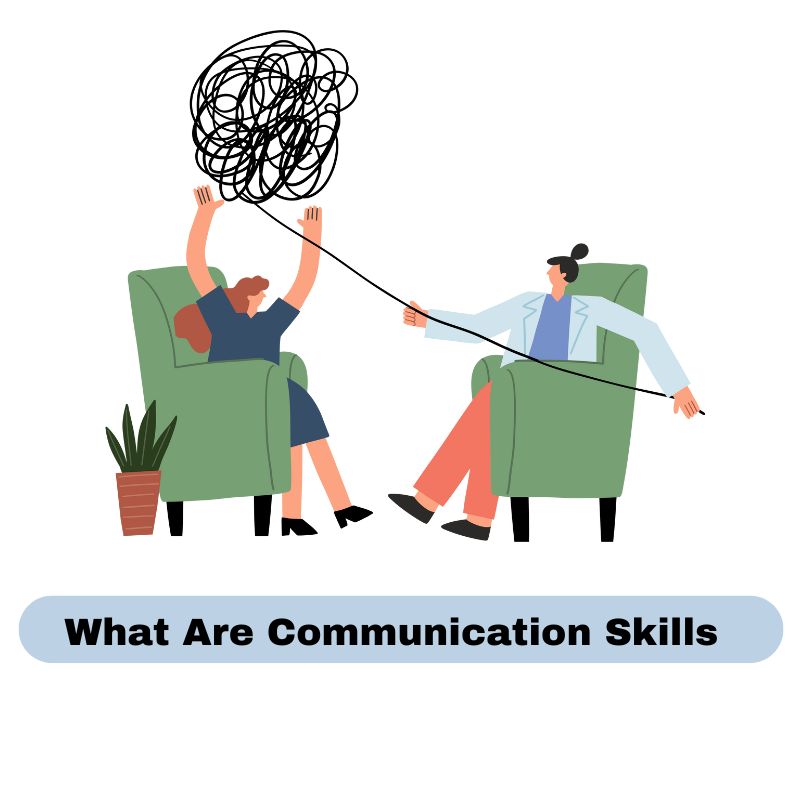
To grow personally and professionally, it’s important to understand the four main types of communication:
- Verbal Communication: The words you speak and how you say them. Tone, clarity, and emotion play vital roles in influencing others
- Non-Verbal Communication: Includes body language, facial expressions, gestures, and posture. Often, what you don’t say speaks louder than words, which ties closely to staying calm and aware under emotional pressure
- Written Communication: Emails, text messages, reports, or social posts that reflect your thoughts clearly and professionally
- Visual Communication: Using visuals like charts, slides, or images to share information effectively
Each type contributes uniquely to your personal growth. Together, they help you express ideas with confidence and understand others with empathy.
Why Are Communication Skills Important for Personal Growth?
Strong communication skills do more than improve conversations, they build character and open doors to new opportunities.
- Boosts Self-Awareness: Learning to communicate effectively helps you understand your emotions, which is closely tied to how regular self-reflection supports personal growth
- Builds Confidence: The more clearly you express yourself, the more confident you become, in much the same way small daily habits build lasting self-belief
- Strengthens Relationships: Good communication reduces misunderstandings and builds trust, a skill closely connected to reading emotional cues in everyday interactions
- Enhances Emotional Balance: Expressing feelings calmly improves emotional well-being and empathy, something explored further in how empathy shapes both work and personal relationships
In short, better communication is the foundation for a balanced, fulfilling, and confident life.
17 Proven Strategies to Improve Your Communication Skills
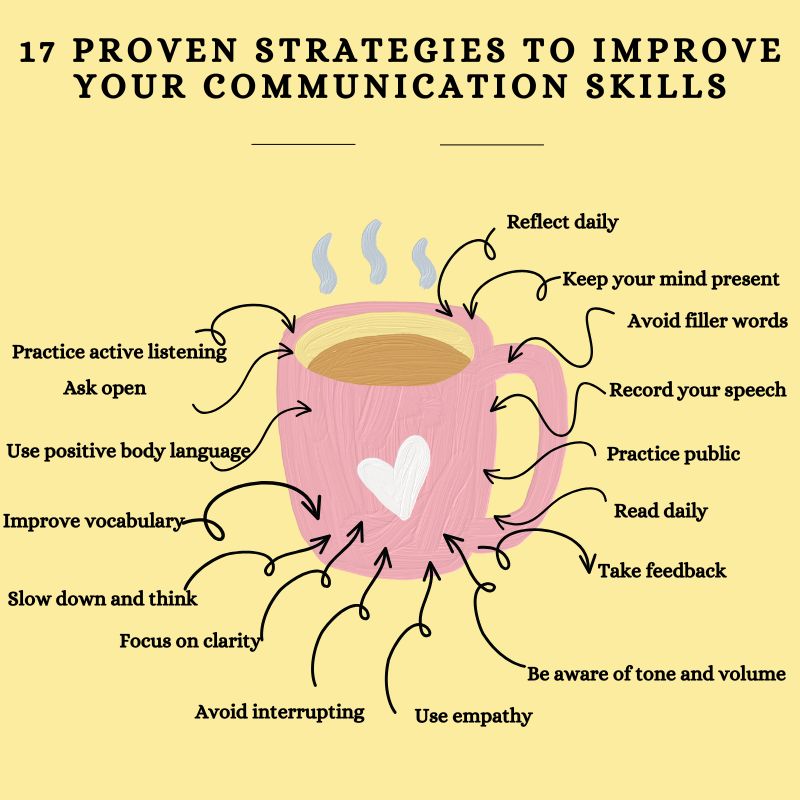
Improving communication is a lifelong journey. Here are 17 effective strategies you can start using today.
- Practice active listening: focus on understanding before replying
- Ask open-ended questions to encourage deeper discussions
- Use positive body language: make eye contact, smile, and nod
- Improve vocabulary without sounding artificial
- Slow down and think before responding
- Focus on clarity and brevity in your message
- Avoid interrupting; let others finish their thoughts
- Be aware of tone and volume: they shape perception
- Use empathy to understand others’ emotions
- Take feedback gracefully and act on it
- Practice public speaking to build confidence
- Read daily to improve comprehension and expression
- Record your speech and note areas of improvement
- Avoid filler words like “um,” “like,” or “you know”
- Keep your mind present: mindfulness sharpens communication
- Reflect daily on how you communicated and where you can improve. Writing about your day in a journal can help this become a habit
Each step brings you closer to personal mastery and stronger connections.
How to Improve Written Communication
Written communication represents your personality on paper, or on screen. To improve it:
- Use short sentences and a conversational tone
- Avoid jargon unless necessary
- Proofread before sending any message
Practice journaling to develop clarity of thought, a habit that pairs well with other small routines that sharpen your mindset.
How to Improve Verbal Communication Skills
Verbal communication is powerful when combined with confidence and empathy.
- Prepare your thoughts before speaking
- Maintain a positive tone even during disagreements
- Use stories and examples to make your message memorable
- Overcome fear by practicing in small groups or with trusted friends
Consistent verbal practice helps you become more persuasive and emotionally intelligent.
The 5 C’s of Effective Communication
To communicate effectively, remember the 5 C’s:
- Clarity: Be clear about your message
- Consistency: Maintain tone and message across platforms
- Confidence: Speak with assurance
- Courtesy: Be respectful and kind
- Connection: Build genuine rapport with others
These principles strengthen your ability to influence and inspire others while fostering self-growth. Learn to build goals you can realistically stick to and track your progress effectively.
Enhancing Non-Verbal Communication for Personal Impact
Non-verbal signals often reveal more than spoken words.
- Maintain eye contact to show confidence
- Use open gestures to appear approachable
- Keep a relaxed posture to convey calmness
- Be mindful of facial expressions and avoid distractions
Improving non-verbal cues helps you project confidence and authenticity, which directly contributes to personal growth and to the same emotional intelligence skills mentioned earlier.
Digital Communication: Building Growth in the Online Age
In 2025, digital communication dominates workplaces and personal networks.
- Be mindful of your tone in emails and messages
- Use emojis or formatting carefully to avoid misinterpretation
- Build authentic connections through respectful online interactions
- Avoid emotional responses in digital conflicts
Your digital voice shapes your reputation, so it helps to balance it with better habits around managing your time.
Emotional Intelligence: The Secret Ingredient to Growth
Emotional intelligence (EQ) is the heart of effective communication.
- Recognize your own emotions before reacting
- Listen to understand feelings behind words
- Use empathy to bridge gaps in understanding
- Manage emotional triggers with calm responses
High EQ transforms conversations into opportunities for growth and harmony, building on the same mindfulness practices mentioned earlier in this guide.
Continuous Improvement: Lifelong Learning in Communication
Communication isn’t a skill you master once, it’s one you refine throughout life.
- Take online courses, such as those on Coursera or LinkedIn Learning
- Join public speaking clubs like Toastmasters
- Read books and articles on self-improvement
- Request constructive feedback from peers or mentors
With continuous effort, your communication evolves, leading to ongoing personal and professional growth.
FAQs
Here are quick answers to the questions people ask most often about improving communication for personal growth.
1. What is the most important communication skill to develop first?
Active listening tends to have the biggest immediate impact, since most communication problems come from not fully understanding the other person before responding.
2. How long does it take to noticeably improve communication skills?
With consistent daily practice, most people notice a real difference within a few weeks, though deeper habits like reading tone and body language take longer to build.
3. Can introverts become strong communicators?
Yes. Strong communication isn’t about being the loudest voice in the room, it’s about clarity, listening, and empathy, all of which introverts often practice naturally.
4. Does written communication matter as much as verbal communication?
Yes, especially in remote and digital-first workplaces, where written tone and clarity often shape first impressions before anyone speaks directly.
5. How does emotional intelligence connect to communication skills?
Emotional intelligence helps you read the emotions behind what someone says, not just the words themselves, which makes responses feel more thoughtful and less reactive.
Final Thoughts: Unlocking Your Potential Through Better Communication
Personal growth through better communication skills is about more than speaking clearly, it’s about becoming more self-aware, empathetic, and confident. By developing these skills, you build stronger relationships, achieve career success, and enhance emotional well-being.
Remember: communication isn’t just a soft skill, it’s a life skill that transforms who you are and how you connect with the world. You can keep building on these ideas through audio-based learning like personal growth podcasts.