Mindfulness is the practice of paying full attention to the present moment without judgment. It involves being aware of your thoughts, emotions, and physical sensations while maintaining a calm and accepting attitude. Building this into how you move through an ordinary day is what makes mindfulness so useful, since a world where stress and distractions dominate makes emotional regulation harder to come by without some kind of practice behind it.
How Mindfulness Helps
Mindfulness helps by creating a mental space between your emotions and reactions. Instead of responding impulsively, mindfulness encourages thoughtful and intentional responses, which can ease physical tension brought on by stress, improve decision-making, and enhance overall mental clarity. For emotional control specifically, mindfulness teaches you to observe emotions without letting them dictate your behavior, which is key in building resilience.
Benefits of Mindfulness for Mental Well-being
The advantages of a regular mindfulness practice extend well beyond simply feeling calmer in the moment. Here’s what consistent practice tends to build over time:
- Reduced Stress and Anxiety: Mindfulness lowers cortisol levels and helps calm the nervous system
- Better Emotional Regulation: It allows you to respond to emotions rather than react impulsively
- Enhanced Focus and Concentration: Regular mindfulness practice improves attention span
- Improved Relationships: By being present, you communicate and connect better with others
- Stronger Resilience: Mindfulness supports building resilience over time, helping you cope with challenges more effectively
Top Mindfulness Practices to Improve Emotional Control
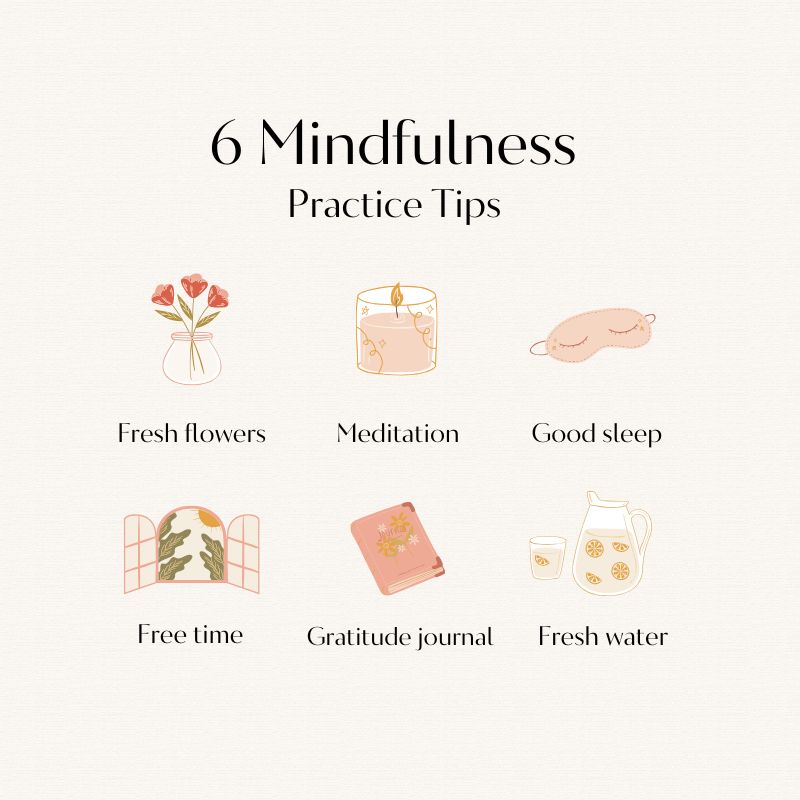
None of these practices require special equipment or years of experience. Here are the most effective mindfulness practices you can start today:
1. Mindful Breathing
This is usually the easiest place to start, since it needs nothing but a few quiet seconds. Take slow, deep breaths and focus on each inhale and exhale. A few simple breathing exercises for calm can bring immediate relief during emotional highs.
2. Body Scan Meditation
This practice works well when stress shows up as physical tightness rather than just racing thoughts. Start from your head and mentally scan down to your toes, observing any sensations without judgment, which helps release physical tension linked to emotions.
3. Mindful Journaling
Putting feelings into words tends to take the edge off them. Write down your thoughts and feelings as they occur, which allows you to process emotions without bottling them up.
4. Yoga and Gentle Movement
Movement gives mindfulness a physical outlet, which some people find easier to stick with than sitting still. Combining mindfulness with movement, yoga helps balance the mind and body while reducing stress hormones.
5. Loving-Kindness Meditation
This one focuses outward rather than inward. It centers on sending compassion to yourself and others, which can reduce anger and resentment over time.
6. Five Senses Grounding
This is a quick reset for moments when emotions feel like they’re taking over. Pause and notice five things you see, four things you touch, three things you hear, two things you smell, and one thing you taste. This method keeps you anchored in the present.
How to Build a Daily Mindfulness Routine
Knowing the techniques is only half the picture, the other half is turning them into an actual daily habit. A few practical guidelines make that transition easier:
- Start with 5 minutes daily and gradually increase to 15 to 20 minutes
- Choose a quiet space free from distractions
- Use guided meditation practices or calming music to stay consistent
- Practice at the same time each day, since consistency is what makes it stick
- Pair mindfulness with other habits like morning tea or a bedtime routine
The Science Behind Mindfulness and Emotional Control
The effects of mindfulness are not just anecdotal, they show up clearly in brain activity. Research shows that mindfulness activates the prefrontal cortex, the brain region responsible for decision-making and emotional regulation, while calming the amygdala, which triggers stress responses. Regular mindfulness practice rewires these brain areas over time, making you less reactive and more balanced emotionally.
Additional Benefits Beyond Emotional Control
Emotional regulation tends to be the most talked-about benefit, but mindfulness affects several other areas of health as well:
- Better sleep through smarter evening choices
- Improved Immune System
- Increased Self-Compassion
- Enhanced Creativity and Problem-Solving
FAQs About Mindfulness and Emotional Control
Here are quick answers to the questions people ask most often about using mindfulness for emotional control.
1. How long does it take for mindfulness to improve emotional control?
Most people notice benefits within 4 to 8 weeks of consistent practice, though small shifts in awareness can show up much sooner.
2. Can mindfulness replace therapy or medication?
No. Mindfulness is a complementary practice, not a replacement for professional treatment, and works best alongside proper care when needed.
3. Is mindfulness the same as meditation?
Mindfulness includes meditation, but it can also be practiced during everyday activities like walking or eating.
4. Do I need special tools to practice mindfulness?
No. You only need a quiet space and focus, though apps and journals can help you stay consistent.
5. Can mindfulness help with anger issues?
Yes. Mindfulness reduces impulsive reactions and promotes calm thinking, which helps manage anger more effectively over time.
Final Thoughts
Mindfulness practices are more than just a trend, they are a research-supported approach to emotional regulation and overall mental health. By incorporating simple techniques like mindful breathing, journaling, and yoga into your daily routine, you can build resilience, clarity, and emotional balance. In a fast-paced world, mindfulness gives you the power to pause, reflect, and respond with intention rather than reaction.
Ready to take control of your emotions and improve your mental well-being? Start your mindfulness journey today. Begin with just 5 minutes a day and watch how it shapes the way you respond to everything else. For more guidance on building habits like these, stay connected with MindScribes.