Our minds are under constant pressure today, pulled in different directions by notifications, deadlines, and background noise that never really switches off. Finding a way to reset and regain mental sharpness has become less of a luxury and more of a necessity, and that’s exactly where meditation comes in. The benefits of meditation for mental clarity are backed by decades of research and used daily by professionals, students, and wellness experts alike.
This guide breaks down how meditation sharpens focus, clears mental fog, steadies your emotions, and helps you think with a calmer, clearer mind, along with practical ways to build the habit yourself.
What Is Mental Clarity?
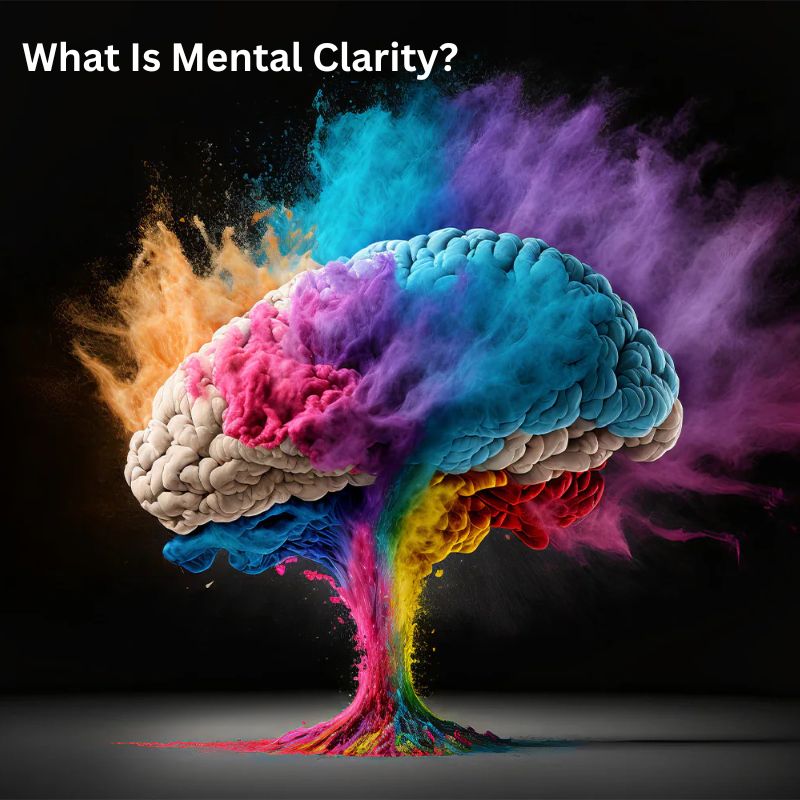
Mental clarity is the ability to think clearly, stay focused on the task in front of you, and make decisions without feeling foggy, scattered, or emotionally overwhelmed. A clear mind supports better productivity, sharper creativity, and stronger emotional intelligence. Meditation, practiced consistently, is one of the most well-researched tools for building and maintaining that state.
How Meditation Boosts Mental Clarity
Meditation is far more than sitting quietly with your eyes closed, it’s an active brain-training practice with measurable effects. Here’s how it works to sharpen the mind, broken down by the specific ways it supports clarity.
1. Reduces Mental Clutter and Stress
One of the most immediate benefits of meditation for mental clarity is stress reduction. When you’re stressed, your brain floods with cortisol, and elevated cortisol impairs both memory and focus. Meditation lowers cortisol levels over time, which allows the brain to function more efficiently.
Research from Harvard Medical School found that regular mindfulness practice produces structural changes in the brain, particularly in regions tied to memory, learning, and emotional regulation.
2. Improves Focus and Attention
Meditation strengthens your brain’s capacity to concentrate. Techniques like focused attention meditation train you to keep bringing your awareness back to the present moment, which builds mental stamina and makes it easier to resist distractions throughout the day.
A study published in Psychological Science found that participants who meditated for just two weeks showed measurable improvements in attention and working memory.
3. Enhances Memory and Cognitive Function
Consistent meditation practice increases grey matter density in the hippocampus, the region of the brain responsible for memory formation. Over time, this can translate into better recall, faster processing, and improved learning ability.
Mindfulness meditation is a particularly good example of this, since it trains the brain to observe thoughts without judgment, which creates more mental space for clear thinking and sound decision-making.
4. Encourages Emotional Balance
Mental clarity isn’t only about logic and concentration, it also depends on how well you manage your emotions. Meditation helps regulate mood by increasing activity in the prefrontal cortex while reducing activity in the amygdala, the brain’s fear and stress center.
By balancing these emotional responses, meditation makes it easier to approach problems with a calm, level head instead of reacting on impulse.
5. Promotes Mindfulness and Present-Moment Awareness
Living in the present moment is one of the foundations of true mental clarity. When your thoughts aren’t clouded by regrets about the past or worries about the future, your mind is free to function at its best, and this is one of the core benefits of meditation for mental clarity.
Practices such as mindfulness meditation and body scan techniques build awareness of the present moment, which sharpens both perception and mental acuity. If you’d like to extend this beyond formal sessions, there are several simple ways to weave present-moment awareness into daily habits like eating, walking, and working.
Best Types of Meditation for Mental Clarity
Not every meditation style serves the same purpose, so it helps to know which ones are best suited for building clarity specifically.
- Mindfulness Meditation: Focuses on the breath and bodily sensations to anchor attention in the present.
- Focused Attention Meditation: Involves concentrating on a single object, thought, or sound to build mental stamina.
- Transcendental Meditation: Uses a repeated mantra to help quiet and clear the mind.
- Walking Meditation: Combines gentle movement with mindful awareness, ideal for those who find sitting still difficult.
If you’re new to any of these, free guided sessions on platforms like Insight Timer or Headspace are a good place to start.
Creating a Meditation Habit
To actually experience the benefits of meditation for mental clarity, consistency matters far more than duration. You don’t need to meditate for hours, even ten minutes a day can make a measurable difference when practiced regularly.
Tips to get started:
- Choose a quiet, comfortable space where you won’t be interrupted
- Sit upright but relaxed, without forcing a rigid posture
- Focus on your breath, a mantra, or physical sensations in your body
- When your mind wanders, and it will, gently guide it back without frustration
Over time, you’ll notice it becomes easier to concentrate and you’ll finish each session feeling more mentally refreshed. Pairing this with a broader self-care routine, such as a mindful morning ritual or an evening wind-down practice, tends to make the habit stick even faster.
Frequently Asked Questions (FAQs)
Here are quick answers to the questions people ask most often about meditation and mental clarity.
1. How long does it take to experience the benefits of meditation for mental clarity?
Many people feel calmer after just one session. However, noticeable improvements in focus and memory typically show up after a few weeks of regular practice.
2. Can meditation really improve my memory?
Yes. Studies show that meditation increases grey matter in brain regions linked to memory, and it also improves processing speed and sustained focus.
3. Do I need to meditate for an hour every day?
No. Even ten to fifteen minutes a day can deliver real benefits. Consistency matters far more than session length.
4. Is meditation suitable for everyone?
Yes, meditation is generally safe for all age groups and fitness levels. If you have a diagnosed mental health condition, it’s worth checking with your therapist for personalized guidance first.
5. What’s the best time of day to meditate for mental clarity?
Morning meditation can set a focused tone for the entire day, while evening meditation helps clear mental clutter accumulated from the day. Both work well, so it often comes down to personal preference.
Final Thoughts
The benefits of meditation for mental clarity are extensive, from sharper focus and lower stress to steadier emotions and stronger memory. In a world full of noise and constant distraction, meditation offers a genuine path to stillness, clarity, and sharper thinking.
Whether you’re a busy professional, a student, or simply someone looking for a little more peace of mind, meditation can be a real game-changer. And the best part is that you don’t need any special tools or environment, just a few minutes a day and a willingness to sit with yourself.
For more ways to build a calmer, more focused daily routine, explore simple mindfulness habits you can practice every day on MindScribes, or pair your meditation practice with a few everyday self-care practices worth trying to support your mental wellbeing beyond the cushion.