Adderall is widely known for treating ADHD and narcolepsy, but many people are curious about its other effects, particularly whether it can alter body weight or metabolism. If you are wondering does Adderall speed up your metabolism, you are not alone. This article breaks down what Adderall really does to your body, separating myths from science.
What Is Adderall?
Adderall is a prescription medication containing amphetamine and dextroamphetamine. It is primarily used to help people with Attention Deficit Hyperactivity Disorder, or ADHD, focus better and stay alert. The drug works by increasing the activity of certain neurotransmitters in the brain, like dopamine and norepinephrine. With that foundation in place, it helps to understand metabolism itself before connecting the two.
How Does Metabolism Work?
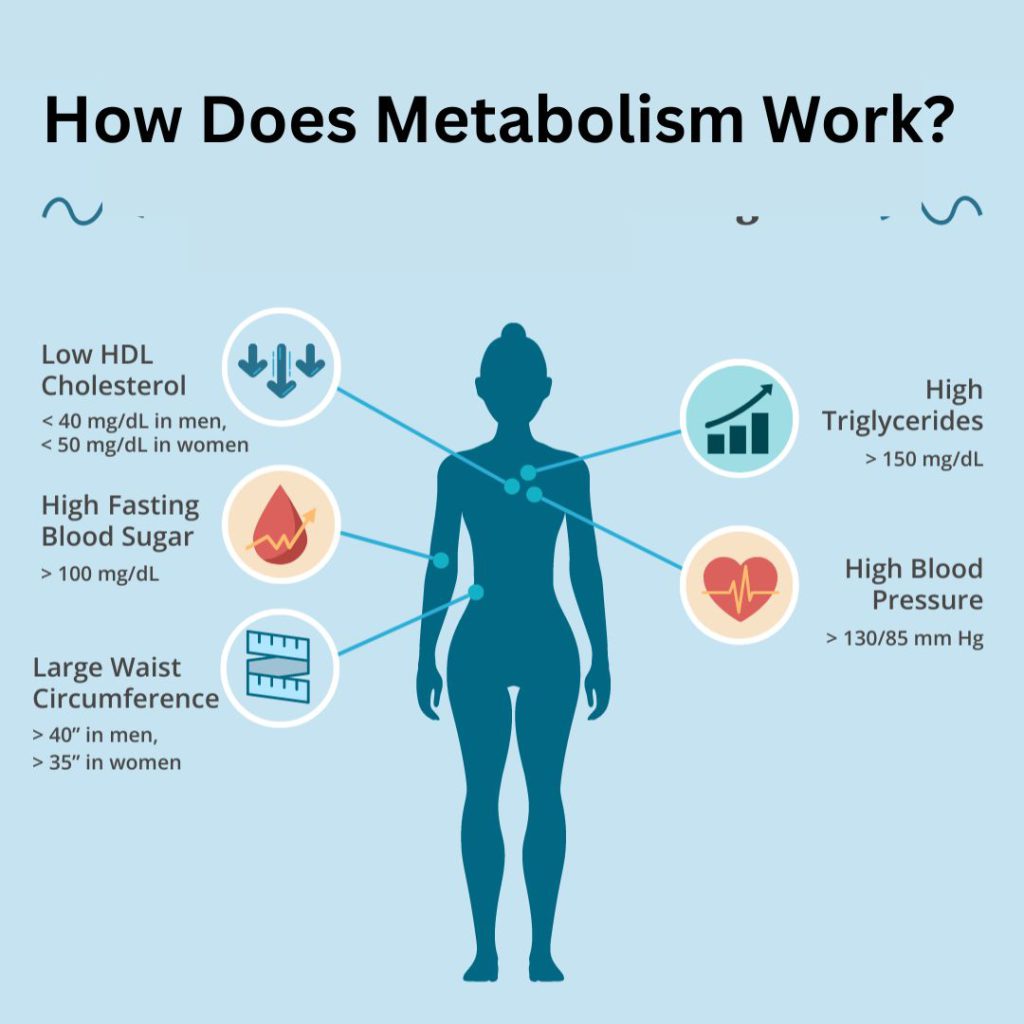
Before exploring Adderall’s effect, it helps to understand metabolism itself. Your metabolism is the process by which your body converts what you eat and drink into energy. Factors like age, activity level, genetics, and hormones all influence metabolic rate.
So when people ask does Adderall speed up your metabolism, the answer depends on how the drug interacts with these underlying metabolic factors. From there, the next step is looking at what Adderall actually does to the body as a whole.
How Adderall Affects the Body
Adderall is a stimulant, which means it boosts the central nervous system. As a result, it can increase heart rate, blood pressure, and body temperature, all of which are signs of an increased metabolic rate. However, this does not mean it is a healthy or sustainable way to manage metabolism or body weight.
Common Effects of Adderall on the Body Include
These effects tend to show up together rather than in isolation, and each one plays into how the body responds overall.
- Increased alertness and concentration
- Appetite suppression
- Higher heart rate and blood pressure
- Potential for insomnia or restlessness
With those effects in mind, it is time to answer the core question directly.
Does Adderall Speed Up Your Metabolism?
Yes, but only temporarily and not in the way most people assume. Adderall can cause a short-term increase in metabolism due to its stimulant nature. It speeds up the sympathetic nervous system, mimicking the body’s fight or flight response. This can lead to an increase in:
- Energy expenditure
- Thermogenesis, or body heat production
- Physical activity levels in some cases
It is crucial to understand that this metabolic increase is not consistent or long lasting. Over time, your body may develop a tolerance, and these effects tend to diminish. That short-term boost is often mistaken for something else entirely, which brings up the topic of weight loss.
Adderall and Weight Loss
Because Adderall suppresses appetite, many users report initial weight loss. However, this is not directly due to a faster metabolism. Instead, it is mostly the result of reduced calorie intake. The pattern is similar to questions raised around other substances, including whether a GLP-1 medication like semaglutide genuinely affects metabolic rate, where appetite suppression is often confused with a true metabolic change.
That said, relying on Adderall for weight loss is dangerous and not recommended. Its use for this purpose is not FDA approved, and misuse can lead to serious health issues like heart problems, anxiety, and addiction. Those risks deserve a closer look on their own.
Risks of Using Adderall for Metabolism or Weight Loss
Using Adderall in hopes of speeding up your metabolism or losing weight can lead to harmful outcomes:
- Dependence: the body can become reliant on the drug to function normally
- Mental health strain: misuse is commonly linked to anxiety, paranoia, and mood swings, which is why non-medication approaches to easing anxiety are worth exploring alongside any prescribed treatment, and building a daily mindfulness practice can help as well
- Cardiovascular risks: increased heart rate and blood pressure can strain the heart
- Appetite disruption: long-term use may harm your natural hunger cues
Given these risks, it is worth looking at what actually works for supporting metabolism without the downsides.
Natural Ways to Improve Metabolism
Instead of turning to stimulants, these are healthier, more sustainable ways to support your metabolic health:
- Regular exercise, especially structured strength training routines
- High-protein diets, since protein requires more energy to digest, including plant-based protein sources for those eating less meat
- Staying hydrated, since water supports every cellular function
- Adequate, naturally improved sleep quality, since poor sleep can slow down your metabolism
With safer alternatives on the table, it is worth being clear about who Adderall is actually meant for.
Who Should Take Adderall?
Adderall should only be taken by individuals diagnosed with ADHD or narcolepsy and under medical supervision. Using it for purposes like boosting metabolism or managing weight is not just unwise, it is potentially dangerous.
If you are considering Adderall for any reason outside its prescribed use, it is crucial to consult a medical professional first.
Frequently Asked Questions
1. Can Adderall be used to lose weight?
While Adderall may lead to weight loss due to appetite suppression, it is not a safe or approved method for weight management.
2. Does Adderall increase energy?
Yes, Adderall can boost alertness and focus, giving users a perceived increase in energy. This is due to its stimulant properties acting on the central nervous system.
3. Is it safe to take Adderall without ADHD?
No, taking Adderall without a medical need or prescription can be harmful and lead to serious side effects, including dependency and cardiovascular issues.
4. How long does the metabolic effect of Adderall last?
The increase in metabolism is temporary and usually fades as your body adjusts to the medication and builds tolerance over time.
5. Can Adderall cause long-term metabolic damage?
Long-term misuse may disrupt appetite regulation and natural energy balance, but more research is needed on permanent metabolic changes.
6. Does tolerance to Adderall’s metabolic effects happen quickly?
Tolerance can build within weeks of regular use, which is one reason any perceived metabolic boost tends to fade well before other effects of the medication do.
7. Is Adderall’s metabolic effect the same as a true metabolic boost from exercise?
No. Adderall’s effect comes from stimulating the nervous system rather than building metabolically active tissue, so it does not offer the lasting benefits that strength training and muscle growth provide.
Final Thoughts
So, does Adderall speed up your metabolism? Technically, yes, but not in a healthy or sustainable way. While it might cause a short-term boost in energy expenditure, this is often due to its stimulant effects rather than a true metabolic enhancement. The associated risks far outweigh any temporary benefit.
If you are looking to support your metabolism the sustainable way, balanced nutrition, regular exercise, quality sleep, and stress management remain the most reliable path, and exploring holistic approaches to everyday wellness is a good place to keep building from. Taking shortcuts with medications like Adderall can have serious consequences.