Semaglutide, found in popular brand names like Ozempic and Wegovy, has quickly become a go-to medication for both type 2 diabetes and weight management. A common question keeps coming up around it: does semaglutide speed up metabolism, or is something else driving the weight loss people see on it?
The honest answer involves more nuance than a simple yes or no. This guide breaks down the real science behind semaglutide and metabolism, separating fact from myth so you can understand exactly how it works in the body, starting with what the drug actually is.
What Is Semaglutide?
Semaglutide is a GLP-1 receptor agonist, a type of drug that mimics the hormone glucagon-like peptide-1. This hormone plays a key role in several processes at once.
- Regulating blood sugar
- Slowing gastric emptying
- Signaling fullness to your brain
- Reducing appetite
Initially approved for type 2 diabetes, semaglutide is now widely prescribed for weight loss due to its ability to help people lose significant amounts of weight over time. To understand where metabolism actually fits into that picture, it helps to define the term itself first.
How Does Metabolism Work?
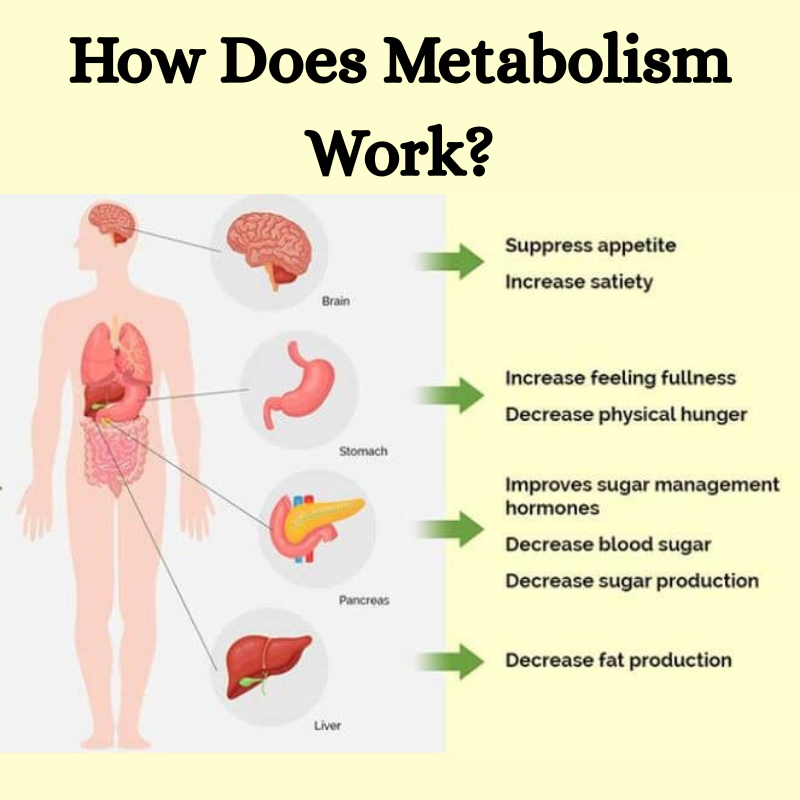
Your metabolism refers to the processes your body uses to convert food into energy. Your basal metabolic rate, or BMR, is the number of calories your body burns at rest.
Factors that affect metabolism include:
- Age
- Gender
- Muscle mass
- Hormones
- Activity level
Now, when people ask if semaglutide speeds up metabolism, they are typically referring to whether the drug helps increase BMR or overall energy expenditure. With that definition in place, it is time to answer the question directly.
Does Semaglutide Speed Up Metabolism?
The short answer is not directly. Semaglutide does not function like a stimulant that revs up your system, unlike medications discussed in questions about how ADHD medication affects metabolic rate. Instead, it supports weight loss by lowering appetite, improving insulin sensitivity, and slowing digestion, all of which indirectly impact your metabolic rate.
How It Influences Metabolism Indirectly
While semaglutide does not speed up your metabolism in the traditional sense, it may help prevent metabolic slowdown, a common issue during weight loss. This shows up in a few practical ways.
- You may burn more calories through activity, especially structured routines like a metabolic resistance training plan, than expected while losing weight
- You are less likely to experience extreme metabolic adaptation, which often causes weight regain
- It can help preserve muscle mass, which supports a healthier BMR
In clinical trials, patients using semaglutide showed less drop in resting energy expenditure per pound lost compared to those losing weight through diet alone. That distinction matters, because it is easy to confuse this indirect metabolic support with something else entirely.
Appetite Suppression vs. Metabolic Boost
One of semaglutide’s main effects is appetite suppression. By making you feel full sooner and less hungry between meals, it naturally lowers your calorie intake.
Many mistake this for an increased metabolism, but here is the difference:
- Metabolic boost means burning more energy per hour
- Appetite suppression means consuming fewer calories overall
Both can lead to weight loss, but semaglutide achieves it without ramping up your metabolism directly. Muscle preservation is where its indirect metabolic support becomes most relevant.
Does Semaglutide Preserve Muscle?
Muscle mass is essential for maintaining a healthy metabolism. Rapid weight loss often leads to muscle loss, which can reduce BMR. However, semaglutide has shown promising signs of preserving lean muscle mass, especially when combined with a high-protein diet, such as one built around plant-based protein sources, and consistent resistance training.
This combination helps users:
- Maintain a stronger metabolism
- Avoid yo-yo weight gain
- Experience more sustainable fat loss
Beyond muscle preservation, semaglutide brings a handful of other metabolic health benefits worth knowing about.
Potential Benefits of Semaglutide for Metabolic Health
While it does not directly increase metabolism, semaglutide still offers several metabolic health benefits, such as:
- Improved insulin sensitivity
- Lower blood sugar levels
- Support for an anti-inflammatory eating pattern
- Improved lipid profiles, including cholesterol and triglycerides
These benefits indirectly support a healthier, more efficient metabolism over time. Like any medication, though, these benefits come alongside some real risks worth understanding.
Risks and Side Effects to Consider
Like all medications, semaglutide comes with potential side effects. These include:
- Nausea and vomiting
- Constipation or diarrhea
- Fatigue
- Possible loss of lean body mass without proper diet and exercise
- Rare but serious risks like pancreatitis or thyroid tumors, seen mainly in animal studies
Always consult a healthcare provider before starting semaglutide for weight loss or metabolic support. Whether or not you use it, there are proven ways to support your metabolism on your own.
Natural Ways to Support Metabolism
Whether you are using semaglutide or not, you can naturally support your metabolism through a handful of consistent habits.
- Building muscle through resistance training
- Eating enough protein to preserve lean mass
- Staying hydrated
- Following a consistent bedtime routine for 7 to 9 hours of sleep
- Staying active with habits like a daily walking goal
- Avoiding crash diets that can slow metabolism long term
These steps work well alongside medications like semaglutide for lasting results.
Frequently Asked Questions
1. Does semaglutide burn fat or muscle?
Primarily fat. Clinical trials show that most weight loss from semaglutide comes from fat mass, although some muscle loss can occur if not paired with proper nutrition and strength training.
2. Is semaglutide better than diet alone for metabolism?
Yes, because it helps preserve energy expenditure and muscle mass more effectively than diet alone, making long-term weight loss more sustainable for many people.
3. Can semaglutide improve thyroid function or hormones?
No direct evidence links semaglutide to improved thyroid function, but weight loss may indirectly help balance certain hormones in some individuals.
4. How fast do people lose weight on semaglutide?
Many lose 1 to 2 pounds per week. Over 68 weeks, clinical trials reported average weight losses of 15 to 20 percent of body weight.
5. Should I exercise while on semaglutide?
Yes, combining semaglutide with exercise, especially strength training, helps maintain muscle and supports metabolism throughout the weight loss process.
6. Does semaglutide cause metabolic slowdown like other weight loss methods?
It appears to cause less metabolic slowdown than diet-only weight loss, largely because it helps preserve muscle mass, which is one of the main drivers of resting energy expenditure.
7. Can I stop semaglutide once my metabolism improves?
Stopping semaglutide should always be discussed with a healthcare provider, since appetite and weight often rebound once the medication is discontinued, regardless of any metabolic improvements made along the way.
Final Thoughts
So, does semaglutide speed up metabolism? Not directly, but it does help support a healthier metabolic state. Instead of ramping up your internal engine, semaglutide works by controlling appetite, stabilizing blood sugar, and preserving energy balance during weight loss.
When paired with smart lifestyle choices like proper diet, sleep, and resistance training, semaglutide can be a genuinely useful tool for improving overall metabolic health, the right way.