In today’s fast-paced world, many people feel physically exhausted, mentally stressed, and emotionally overwhelmed. While modern medicine treats symptoms, it often does not address the root cause of imbalance. This is where holistic health comes in. Holistic health focuses on nurturing the mind, body, and spirit together, helping individuals create a balanced and meaningful life. Instead of treating one problem at a time, holistic wellness looks at the whole person and supports overall wellbeing.
What Is Holistic Health?
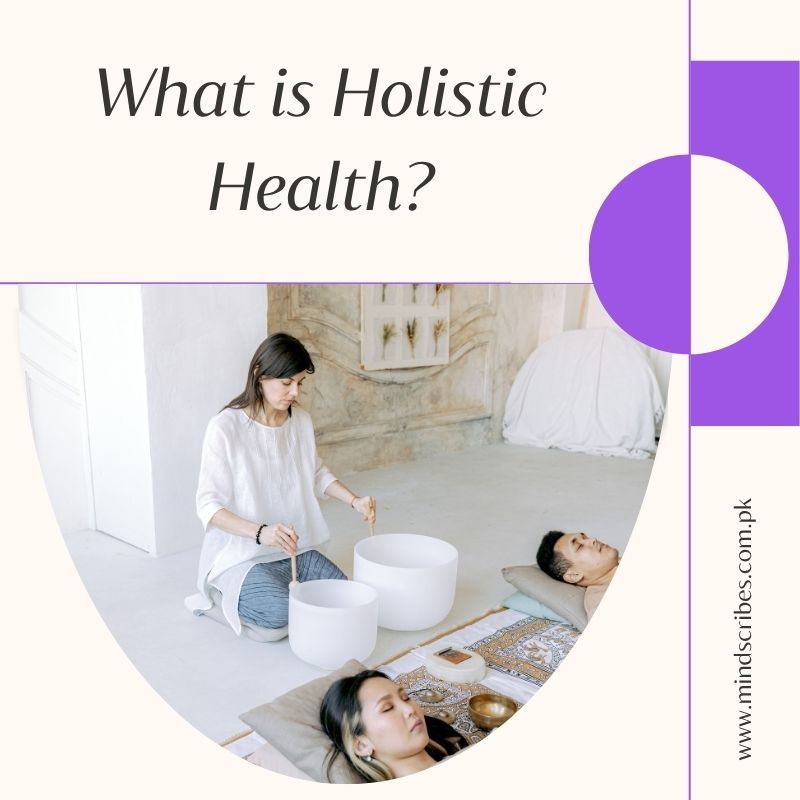
Holistic health is a whole-body approach to wellness that considers how your physical health, mental state, emotions, environment, and lifestyle work together. It is based on the understanding that all aspects of health are interconnected. If one area is struggling, such as poor sleep habits or chronic stress, it can affect the entire body and mind.
Seeing health this way naturally raises the question of how it actually differs from the traditional model most people grew up with.
Traditional vs. Holistic Approach
| Traditional Healthcare | Holistic Healthcare |
| Focuses on symptoms | Focuses on whole person |
| Treats illness after it appears | Promotes prevention and balance |
| Uses medical procedures and drugs | Draws on everyday healthy habits and natural practices, alongside medical care when needed |
Holistic wellness does not reject modern medicine. Instead, it aims to support and strengthen the body naturally so that health challenges become easier to manage. Given how much daily stress and disconnection has become the norm, it helps to look at why this approach has become so relevant right now.
Why Holistic Wellness Matters Today
In modern lifestyles, people are more connected digitally than emotionally, more busy than balanced, and more stimulated than rested. Issues like stress and anxiety, insomnia, and low energy have become common.
Holistic wellness helps by:
- Reducing stress and mental overload
- Supporting emotional stability
- Promoting physical vitality
- Improving sleep quality naturally
- Strengthening self-awareness and confidence
Today’s world requires inner balance just as much as physical fitness, and holistic health offers tools to achieve that balance. That balance is built on a few core dimensions worth understanding individually.
Key Dimensions of Holistic Health
Holistic wellness is built on five major dimensions.
1. Physical Health
This includes nutrition, exercise, sleep, and daily movement. It focuses on keeping the body strong and energized.
2. Emotional Health
Emotional health means being aware of your feelings and having the ability to express them in healthy ways instead of suppressing or avoiding them.
3. Mental Health
This includes mindset, focus, clarity, positive thinking, and the ability to process stress.
4. Social Health
Human connection plays a powerful role in wellbeing. Healthy relationships provide support, warmth, trust, and belonging.
5. Spiritual Health
Spiritual wellness does not necessarily mean religion, it refers to purpose, values, peace, and inner grounding.
When these dimensions are aligned, life feels stable, meaningful, and fulfilling. With the dimensions defined, the next step is looking at the specific practices that actually support them.
Essential Holistic Health and Wellness Practices
Mindful Breathing and Meditation
Breathing exercises help calm the nervous system and reduce anxiety. Even 5 to 10 minutes of daily meditation can support mental clarity as part of your morning routine and improve emotional balance.
Try this: inhale slowly for 4 seconds, hold for 2, exhale for 6 seconds. Repeat for 10 minutes daily. Breathing calms the nervous system, and what you eat plays just as large a role in how balanced you feel.
Balanced, Whole-Food Nutrition
Holistic nutrition focuses on natural, fresh, minimally processed foods.
Key guidelines include:
- Include colorful fruits and vegetables
- Choose whole grains
- Add healthy fats, such as nuts, olive oil, and seeds
- Stay hydrated
- Limit sugar and highly processed snacks
Food should fuel your body, not drain it. Once nutrition is dialed in, movement is the next pillar worth building consistently.
Movement and Physical Fitness
Movement helps release mood-boosting hormones and improves circulation.
Holistic-friendly movement activities include:
- Yoga
- Pilates
- Walking, including tracking daily step counts
- Strength training
- Stretching and mobility exercises
Consistency matters more than intensity. Even 20 to 30 minutes daily makes a difference. Beyond movement, certain herbs and natural remedies can offer additional support.
Herbal and Natural Wellness Support
Certain herbs support relaxation, digestion, sleep, and immunity. Examples include:
- Chamomile for calming
- Ashwagandha for stress support
- Mint for digestion
- Turmeric for its anti-inflammatory properties
Alongside what you put into your body, what you put on paper matters too, which is where journaling comes in.
Journaling for Emotional Release
Writing thoughts helps process stress, clarify emotions, and support mental wellbeing.
A simple prompt to start with: what am I feeling today, and why might I be feeling it? Journaling helps you process what is happening internally, and time outdoors helps you reconnect with what is happening around you.
Nature Therapy and Grounding
Spending time outdoors reduces stress hormones. Walking barefoot on grass, sitting in sunlight, or simply breathing fresh air can restore emotional balance.
With these individual practices covered, it helps to see how they actually fit together across a full day.
How to Create a Holistic Daily Routine
Morning:
- Hydrate with warm water
- Practice 5 minutes of breathwork
- Eat a nourishing breakfast
- Move your body through stretching, walking, or yoga
During the day:
- Take short breaks to breathe or walk
- Eat mindfully instead of rushing meals
Evening:
- Reduce screen time and its effect on your sleep cycle for at least an hour before bed
- Write calming reflections or gratitude notes
- Sleep in a quiet, dark environment
Small habits done daily bring long-term transformation. Since everyone’s needs look a little different, it helps to pause and get specific about your own.
Understanding Your Personal Wellness Needs
Wellness practices are not one-size-fits-all. Knowing yourself helps create a routine that actually works for your life.
Ask yourself:
- What stresses me the most?
- What activities calm me?
- Which areas of life feel unbalanced?
With a clearer sense of your own needs, it is worth addressing a few misconceptions that keep people from trying holistic practices in the first place.
Common Myths About Holistic Health
| Myth | Reality |
| Holistic health means no medicine | It supports medical care, it does not replace it |
| It is expensive | Many practices are free, including breathing, stretching, and walking |
| It is slow and ineffective | Holistic wellness builds long-term, sustainable results |
With those myths cleared up, the last piece is simply making these practices last.
Tips to Maintain Holistic Wellness Long-Term
- Start small, one habit at a time
- Be consistent, not perfect
- Celebrate small improvements
- Adjust practices when life changes
Healthy living is a journey, not a competition.
Frequently Asked Questions
1. What is the main goal of holistic health?
The main goal is to address the whole person, physical, emotional, mental, social, and spiritual, rather than treating isolated symptoms, aiming for balance across all areas of life.
2. Is holistic health backed by science?
Many individual holistic practices, such as meditation, whole-food nutrition, and regular movement, are well supported by research, even though the term holistic health itself is more of a framework than a single treatment.
3. Can holistic health replace seeing a doctor?
No. Holistic health is meant to complement medical care, not replace it. Serious symptoms and diagnosed conditions should always be discussed with a qualified healthcare provider.
4. How long does it take to notice benefits from holistic practices?
Some benefits, like feeling calmer after breathing exercises, can be immediate. Deeper changes, such as improved sleep or emotional resilience, often take several weeks of consistent practice.
5. Do I need to practice every dimension of holistic health at once?
No. It is usually more sustainable to focus on one or two dimensions first, such as physical and emotional health, before gradually expanding into the others.
6. Is holistic health only about diet and exercise?
No. While nutrition and movement are important pillars, holistic health also includes emotional expression, mental clarity, social connection, and a sense of purpose or spiritual grounding.
7. What is the easiest holistic practice to start with?
Breathing exercises are often the easiest starting point since they require no equipment, cost nothing, and can be practiced anywhere in just a few minutes a day.
Conclusion
Holistic health is a powerful approach that helps you live with balance, awareness, and inner peace. By caring for the mind, body, and spirit together, you can build emotional strength, physical vitality, and a meaningful life. Small daily practices, like mindful breathing exercises, nourishing food, movement, journaling, and connecting with nature, can transform your overall wellbeing.