In today’s high-pressure corporate environment, employee health is no longer a nice to have, it is a strategic necessity. Corporate health and wellness programs have emerged as one of the most effective tools organizations use to improve employee wellbeing, boost productivity, and create sustainable workplace cultures.
Modern businesses are realizing that long working hours, digital fatigue, stress, and sedentary daily routines directly impact performance. When organizations proactively invest in wellness, they do not just support employees, they protect their long-term business success.
Understanding Corporate Health and Wellness Programs

Corporate health and wellness programs are structured initiatives designed to support employees’ physical, mental, emotional, and sometimes financial wellbeing. These programs go beyond basic medical insurance. They focus on prevention, lifestyle improvement, and long-term health habits within the workplace.
Unlike traditional HR benefits, community and local wellness programs are continuous, culture-driven, and employee-centered. They recognize that healthy employees are more engaged, motivated, and resilient. With that foundation established, it helps to look at why this matters more now than it used to.
Why Corporate Wellness Matters More Than Ever
The modern workforce faces challenges that did not exist a decade ago: remote work isolation, burnout, blurred work-life boundaries, and rising mental health concerns among employees. Organizations that ignore these realities often face high turnover, low morale, and declining performance.
Research consistently shows that companies implementing corporate health and wellness programs experience:
- Reduced absenteeism
- Lower healthcare costs
- Improved employee engagement
- Stronger employer branding
- Better talent retention
Wellness is no longer just about fitness, it is about creating an environment where employees can thrive. That environment is usually built from a few core components working together.
Core Components of Effective Wellness Programs
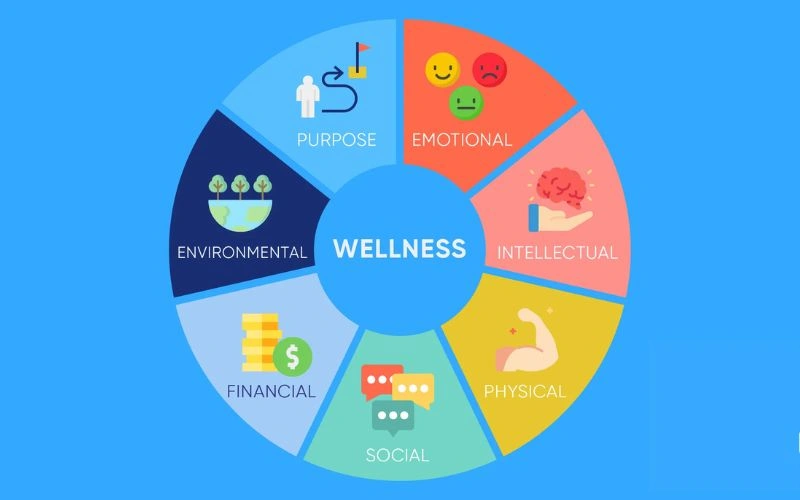
Effective wellness programs combine physical health, mental wellbeing, nutrition, work-life balance, and supportive environments to promote long-term healthy habits.
Physical Health Initiatives
Physical wellness remains the foundation of most programs. This includes:
- On-site or subsidized gym access
- Fitness challenges and step-count programs
- Ergonomic assessments for workstations
- Nutrition education and healthy food options
These initiatives reduce lifestyle-related health risks and encourage movement in otherwise sedentary roles.
Mental and Emotional Wellbeing
Mental health support has become a critical pillar of corporate health and wellness programs, closely tied to setting healthier boundaries around work. Progressive organizations now prioritize:
- Stress management workshops
- Access to counseling or therapy platforms
- Mindfulness and meditation sessions
- Burnout prevention policies
By normalizing mental health conversations, companies build trust and psychological safety.
Work-Life Balance Support
Wellness is impossible without balance. Programs that support flexibility tend to see higher employee satisfaction, and many draw directly from broader work-life balance strategies that apply outside the office too. Common strategies include:
- Flexible working hours
- Remote or hybrid work models
- Paid mental health days
- Encouraging proper leave utilization
Employees who feel trusted and supported perform better over time.
Preventive Healthcare and Screenings
Preventive care reduces long-term medical costs and health risks. Many organizations offer:
- Annual health screenings
- Vaccination drives
- Health risk assessments
- Wellness checkups
Early detection benefits both employees and employers by minimizing serious health issues. With these components in place, the next step is actually putting a strategy together.
Designing a Successful Corporate Wellness Strategy
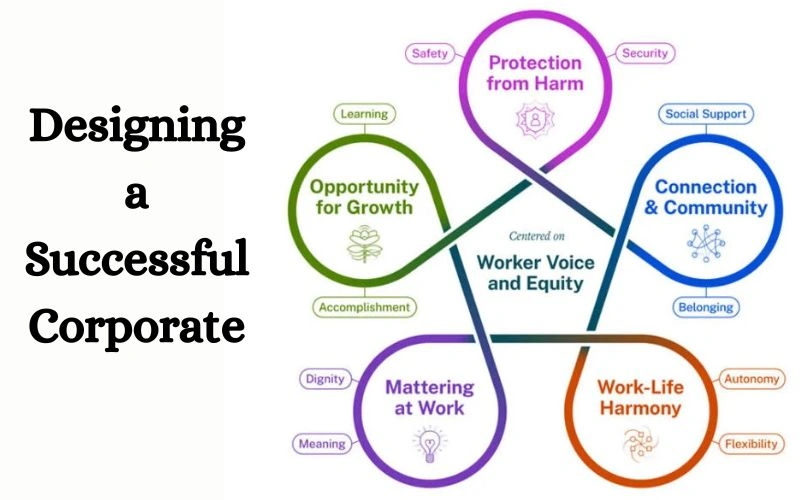
The most effective corporate health and wellness programs start with listening. Surveys, feedback sessions, and anonymous assessments help identify real employee needs instead of assumptions.
A one-size-fits-all approach rarely works. Wellness must align with workforce demographics, job roles, and cultural context.
Leadership Involvement Builds Trust
Programs fail when leadership treats wellness as an HR checkbox. When managers and executives actively participate, employees are more likely to engage.
Leadership involvement signals authenticity and reinforces that wellness is a shared organizational value.
Measuring Impact and ROI
Wellness initiatives should be measurable. Key indicators include:
- Reduced sick leaves
- Engagement survey improvements
- Retention rates
- Healthcare cost trends
Data-driven evaluation ensures continuous improvement and long-term credibility. Even well-designed strategies can still run into avoidable problems along the way.
Common Mistakes Organizations Should Avoid
Even well-intentioned programs can fail due to poor execution. Common pitfalls include:
- Forcing participation instead of encouraging it
- Ignoring mental health aspects
- Overloading employees with wellness tasks
- Lack of consistent communication
Wellness should feel supportive, not burdensome. Avoiding these pitfalls is part of what makes wellness investment pay off over the long run.
The Business Case for Long-Term Wellness Investment
Organizations that view wellness as a long-term investment outperform those that treat it as a temporary initiative. Healthy employees contribute to:
- Stronger collaboration
- Better decision-making
- Lower burnout-related turnover
- A positive workplace reputation
In competitive talent markets, wellness-driven cultures naturally attract stronger candidates. Looking ahead, a few emerging trends are already starting to reshape what these programs look like.
Future Trends in Corporate Wellness
The future of corporate health and wellness programs is personalized, tech-enabled, and built around whole-person, holistic wellness practices. Emerging trends include:
- AI-powered wellness platforms
- Mental health-first policies
- Financial wellness education
- Inclusive wellness for diverse workforces
Companies that adapt early will set new standards for employee care.
Frequently Asked Questions
1. What are corporate health and wellness programs?
They are structured workplace initiatives that support employees’ physical, mental, and emotional wellbeing through preventive and lifestyle-focused strategies.
2. Do wellness programs really improve productivity?
Yes. Healthier employees show higher engagement, lower absenteeism, and improved focus, directly impacting productivity and performance.
3. Are corporate wellness programs expensive to implement?
Not necessarily. Many effective programs focus on low-cost initiatives like flexibility, mental health support, and wellness education.
4. How can small businesses implement wellness programs?
Small businesses can start with flexible policies, health awareness sessions, and access to digital wellness resources rather than large-scale infrastructure.
5. How long does it take to see results from wellness programs?
Cultural and engagement benefits appear within months, while measurable health and cost outcomes develop over a longer period of consistent investment.
6. Who should be responsible for running a corporate wellness program?
Most programs are led by HR in partnership with leadership, since executive involvement significantly increases employee participation and trust in the initiative.
7. How do you measure whether a wellness program is actually working?
Track indicators like absenteeism, engagement survey scores, retention rates, and healthcare cost trends over time rather than relying on participation numbers alone.
Conclusion: Building Healthier Workplaces for the Future
Investing in corporate health and wellness programs is no longer optional, it is essential for sustainable business growth. Organizations that prioritize employee wellbeing create resilient teams, stronger cultures, and long-term success.
Healthy employees build healthy businesses, and the future belongs to organizations that understand this truth.