Luxury lifestyle brands in 2025 are no longer defined by logos alone. Today’s luxury is about identity, experience, sustainability, and personalization. As consumer values evolve, premium brands are reshaping how wealth, status, and lifestyle are expressed, moving beyond material excess toward meaningful ownership.
This guide explores what defines modern lifestyle trends and culture around luxury brands in 2025, the leading names shaping the market, emerging trends, and how consumers can make smarter luxury choices.
What Defines a Luxury Lifestyle Brand in 2025?
Before naming specific brands, it helps to understand what actually separates luxury from premium today.
In 2025, luxury lifestyle brands represent a holistic way of living, not just products. While heritage and craftsmanship still matter, modern luxury is driven by emotional connection and ethical responsibility.
Key defining elements include:
- Exceptional craftsmanship and quality
- Brand storytelling and cultural relevance
- Limited availability and exclusivity
- Sustainability and ethical sourcing
- Personalized and immersive experiences
Luxury today is less about showing wealth and more about reflecting values and individuality.
Top Luxury Lifestyle Brands to Watch in 2025
With that definition in mind, a handful of established names continue to set the standard for the rest of the industry.
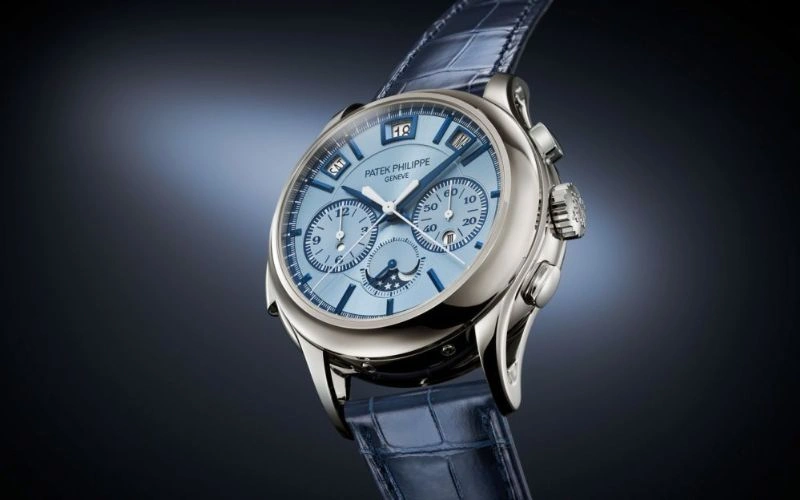
Several established brands continue to dominate the global luxury landscape by adapting to shifting health and wellness priorities.
Louis Vuitton blends heritage craftsmanship with cutting-edge design and digital innovation. Hermes remains a benchmark for exclusivity, artisanal mastery, and timeless value. Chanel excels in combining tradition with progressive fashion and beauty narratives. Rolex continues to define luxury timepieces as both status symbols and long-term investments. Tesla (Luxury Segment) redefines premium lifestyle through technology-driven sustainability.
These brands succeed because they balance tradition with transformation, an essential trait in 2025.
Emerging Luxury Lifestyle Brands and New Entrants
Alongside the established names, a newer generation of brands is reshaping what luxury looks like.
2025 is also the era of new-age luxury brands. Digital-native and boutique labels are gaining attention by prioritizing sustainability, craftsmanship, and storytelling over mass recognition.
Emerging luxury brands often focus on:
- Small-batch production
- Ethical supply chains
- Direct-to-consumer models
- Strong community engagement
Consumers are increasingly drawn to brands that feel personal, rare, and purpose-driven.
Luxury Lifestyle Trends Shaping 2025
A few broader trends tie these brand movements together, and they’re worth looking at individually.
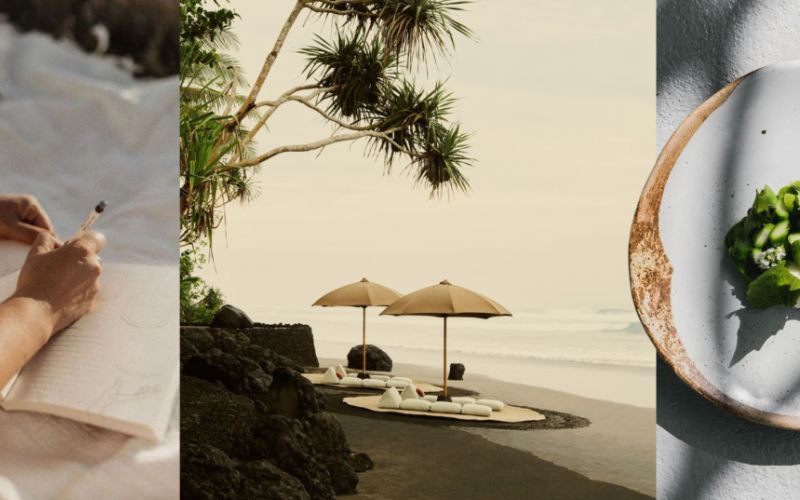
Sustainable and Ethical Luxury
Sustainability sits at the top of this list because it now shapes nearly every other buying decision.
Sustainability is no longer optional. Luxury consumers expect transparency, practical eco-friendly lifestyle habits, and responsible labor practices.
Personalization and Bespoke Experiences
Closely tied to sustainability is a growing expectation that luxury should feel tailored to the individual.
From custom handbags to personalized travel experiences, personalization defines premium value in 2025.
Experiential Luxury
Beyond physical goods, how a brand makes someone feel is becoming just as important as what it sells.
High-end travel, wellness retreats, private events, and concierge-style services are becoming as valuable as physical products.
Luxury Lifestyle Brand Categories in 2025
These trends play out differently depending on which category of luxury you’re looking at.
Luxury now spans multiple lifestyle dimensions:
- Luxury Fashion and Apparel: Couture, ready-to-wear, and premium footwear
- Watches and Jewelry: Heritage timepieces, fine jewelry, and investment-grade designs
- Beauty and Fragrance: Clean luxury, premium skincare, and artisanal perfumes
- Automobiles and Mobility: Electric luxury cars, yachts, and private aviation
- Luxury Tech: Smart devices, AI-driven personalization, premium gadgets
- Wellness and Experiences: High-end spas, retreats, and holistic health services
True luxury brands integrate seamlessly into daily life rather than existing as occasional indulgences.
How Luxury Consumer Behavior Has Changed in 2025
Brands have adapted largely because the people buying luxury have changed too.
Recent research on luxury consumer behavior shows that buyers in 2025 are more informed and selective. Millennials and Gen Z now represent a significant share of high-end spending, bringing new expectations.
Key behavioral shifts include:
- Preference for ethical and sustainable brands
- Increased digital research before purchase
- Strong influence of social proof and brand values
- Willingness to pay more for authenticity and longevity
Luxury buyers today seek long-term emotional and functional value, not impulse purchases.
The Role of Technology in Luxury Lifestyle Brands
Shifting consumer expectations have also pushed luxury brands to rethink how they use technology.
Technology plays an increasingly important role in redefining luxury experiences.
- AI-driven personalization enhances customer journeys
- Virtual try-ons improve online luxury shopping confidence
- Metaverse and digital collectibles expand brand engagement
- Smart data helps brands anticipate consumer needs
Luxury brands that embrace technology without losing exclusivity thrive in 2025.
Luxury Brand Marketing Strategies That Work in 2025
With more informed buyers, marketing itself has had to grow more subtle and credible.
Successful luxury marketing is subtle, story-driven, and emotionally resonant.
Effective strategies include:
- Storytelling rooted in heritage and craftsmanship
- Selective influencer and brand ambassador partnerships
- Community-building through private access and events
- High-quality content over aggressive advertising
Luxury brands sell identity and belonging, not discounts.
Sustainability and Ethical Luxury in 2025
It’s worth returning to sustainability once more, since it has become a hard requirement rather than a selling point.
Ethical luxury is a defining expectation, not a trend. Consumers actively evaluate:
- Carbon footprint and sourcing transparency
- Animal welfare and cruelty-free practices
- Circular fashion and resale value
Brands that fail to meet ethical standards risk losing credibility and loyalty.
How to Choose the Right Luxury Lifestyle Brand as a Consumer
With so many brands claiming to meet these standards, it helps to have a simple checklist of your own.
When investing in luxury in 2025, consumers should consider:
- Craftsmanship and material quality
- Brand authenticity and heritage
- Sustainability commitments
- Long-term usability and resale value
Luxury should enhance life, not complicate it.
Expert Insights and Future Predictions
Pulling all of this together, here’s where the industry appears to be heading next.
Industry experts predict that the future of luxury will focus on quiet luxury, digital exclusivity, and experiential ownership. Brands that stay grounded through balanced daily habits while embracing innovation will dominate the next decade.
FAQs: Luxury Lifestyle Brands 2025
A few quick answers to the questions readers ask most about luxury brands this year.
What makes a brand luxury in 2025?
A luxury brand in 2025 combines craftsmanship, exclusivity, sustainability, personalization, heritage, innovation, and strong emotional connection with consumers.
Are luxury brands becoming fully digital?
Luxury brands are not fully digital. Technology enhances experiences, while physical stores, craftsmanship, and human interaction remain essential.
Is sustainable luxury more expensive?
Sustainable luxury often costs more due to ethical sourcing, quality materials, and responsible production, offering long-term value and durability.
Conclusion: Why 2025 Is a Turning Point for Luxury
To bring everything together, here’s the shift worth remembering.
Luxury lifestyle brands in 2025 reflect a deeper cultural shift from excess to intention. The most successful brands are those that combine heritage, innovation, sustainability, and personal connection.
For consumers and brands alike, luxury is no longer about having more, it’s about choosing better. Explore more expert insights on luxury lifestyle brands, premium trends, fashion, culture, and modern living at MindScribes, your trusted destination for in-depth lifestyle journalism, trend analysis, and thoughtful perspectives on how luxury is redefining everyday life.