Empathy has become a critical skill for success in today’s workplace and personal life. It’s not just about being kind, it’s about understanding others’ perspectives and responding in ways that build trust, collaboration, and contribute to personal growth through self-awareness. In this guide, we’ll explore why empathy matters, how it impacts growth, and practical strategies to apply it effectively.
Why Empathy at Work Matters & How It Fuels Growth
Empathy isn’t just a soft skill, it’s a leadership superpower. In professional settings, empathy helps create a supportive environment where employees feel heard, valued, and motivated. When leaders show empathy:
- Engagement increases. Teams feel more connected and productive.
- Conflict reduces. Understanding others’ perspectives with practicing mindfulness at work helps prevent unnecessary disputes.
- Innovation thrives. People share ideas without fear of judgment.
On a personal level, empathy strengthens relationships, builds emotional intelligence, and improves communication, all key to personal growth.
Defining Empathy in the Workplace
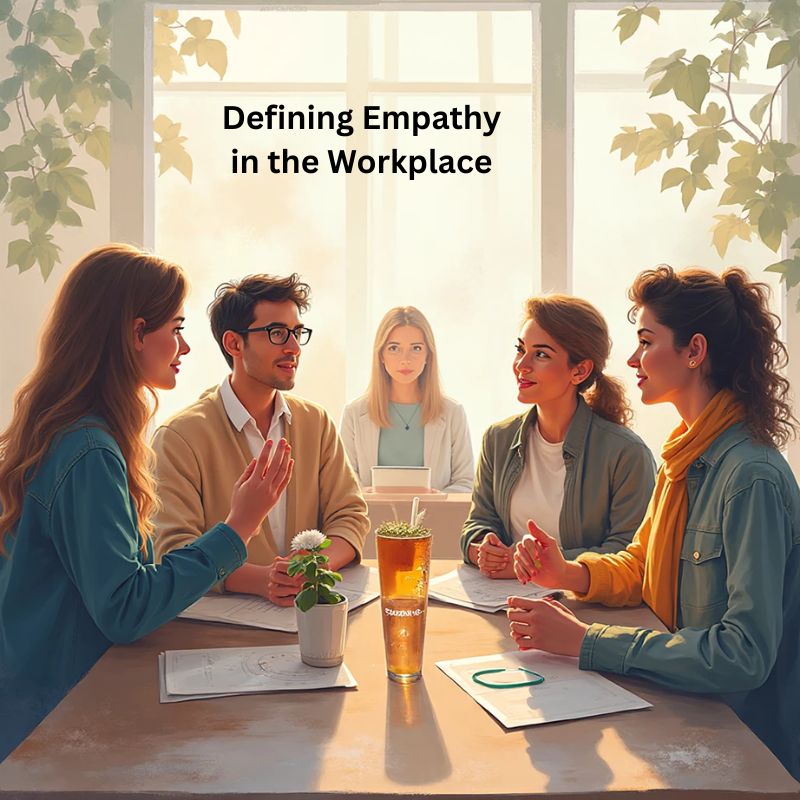
Empathy is the ability to understand and share another person’s feelings. In the workplace, it means recognizing employees’ emotions, challenges, and aspirations, then acting in ways that support their well-being and professional development.
How to Show More Empathetic Leadership
Empathy in leadership is about action, not just words. Here are practical ways to lead with empathy.
1. Watch for Signs of Burnout in Others
Burnout can silently affect team performance long before it becomes obvious. Encourage healthier sleep habits across the team and pay attention to behavior changes, missed deadlines, or withdrawal from discussions.
2. Show Sincere Interest in Others’ Needs and Dreams
People notice when interest in them feels genuine rather than routine. Ask meaningful questions about employees’ goals and listen actively, which builds trust and shows you value them beyond their job title.
3. Demonstrate Willingness to Help With Personal Challenges
Flexibility during a hard stretch says more than most policies ever could. Offering flexibility during tough times builds loyalty and boosts morale.
4. Show Compassion During Personal Loss
Grief affects focus and energy in ways that are easy to underestimate from the outside. A small gesture of kindness during difficult times goes a long way in strengthening workplace relationships and supporting mental clarity for someone who is struggling.
How Organizations Can Encourage Empathetic Leadership
Empathy is a cultural value, not just an individual trait. Organizations can foster it in several concrete ways.
1. Talking About Empathy at Work
Naming a value openly is often what turns it from an idea into a practice. Make empathy part of leadership training and corporate values.
2. Teaching Active Listening Skills
Most misunderstandings at work start with assumptions rather than facts. Active listening helps leaders understand team concerns without jumping to conclusions.
3. Encouraging Perspective-Taking
Exposure to different viewpoints is what makes perspective-taking a practiced skill rather than a nice idea. Promote diversity and inclusion programs to expose teams to different viewpoints.
4. Cultivating Compassion
Compassion tends to grow where organizations actively make space for it. Integrate habits that support overall wellbeing at work alongside wellness initiatives to show care beyond productivity.
5. Supporting Global Managers
Distance and cultural difference can make empathy harder to practice consistently. Global teams face cultural barriers, and empathy helps bridge these gaps for better collaboration.
The Connection Between Empathy and Growth
Empathy is not just about feeling for others, it’s strategic. In personal life, processing emotions through regular journaling deepens friendships and builds resilience. Professionally, empathetic leaders inspire trust, reduce turnover, and create high-performing teams.
A Closing Thought on Empathy in the Workplace
Empathy is no longer optional, it’s essential for thriving in both personal and professional life. By practicing empathy, you don’t just build relationships, you unlock collaboration, creativity, and sustainable success.
Ready to Take the Next Step?
Start building a culture of empathy today. Whether you’re a leader or an individual contributor, begin with small actions: listen actively, show compassion, and embrace different perspectives.
FAQs
Here are quick answers to the questions people ask most often about empathy in personal and professional growth.
1. Why is empathy important for personal growth?
Empathy allows you to build trusting relationships, improve emotional intelligence, and resolve conflicts peacefully, all of which are essential for personal development.
2. How does empathy affect professional success?
Empathy supports clearer, more effective communication, stronger team collaboration, and better leadership, qualities that enhance workplace productivity and career growth.
3. Can empathy be learned?
Yes. Empathy is a skill that can be developed through active listening, perspective-taking, and practicing compassion daily.
4. How do organizations benefit from empathetic leaders?
Organizations with empathetic leaders see better employee engagement, reduced turnover, and a more positive work culture.
5. What is the difference between empathy and sympathy?
Sympathy is feeling sorry for someone, while empathy is understanding and sharing their feelings at a deeper level.