In today’s fast-paced world, many people believe that staying healthy requires drastic diets, intense workouts, or expensive treatments. In reality, simple lifestyle changes for better health can make a powerful difference over time. Small, consistent habits such as eating better, moving more, sleeping well, and managing stress can significantly improve both physical and mental well-being. According to global health experts, everyday choices play a major role in preventing chronic diseases and improving quality of life.
Moreover, adopting healthy daily routines not only boosts energy levels but also strengthens immunity and emotional balance. These small lifestyle changes are easy to follow, sustainable in the long run, and suitable for people of all ages and backgrounds.
Key Facts About Lifestyle and Health
- Noncommunicable diseases such as heart disease, diabetes, obesity, and respiratory illnesses are among the leading causes of death worldwide.
- Most of these conditions are closely linked to daily lifestyle habits.
- Unhealthy diets, physical inactivity, smoking, excessive alcohol use, and chronic stress slowly damage the body over time.
- Small lifestyle changes, when practiced consistently, can reduce disease risk, boost immunity, and increase energy levels.
- To understand how specific habits contribute to illness, read more about modern lifestyle diseases and prevention tips.
A healthy lifestyle does not mean perfection — it means making better choices most of the time.
Do Not Smoke or Use Tobacco or Nicotine Products
Smoking and the use of tobacco or nicotine products remain one of the biggest threats to long-term health. These products increase the risk of lung disease, heart disease, stroke, and multiple types of cancer. Even occasional smoking can have harmful effects.
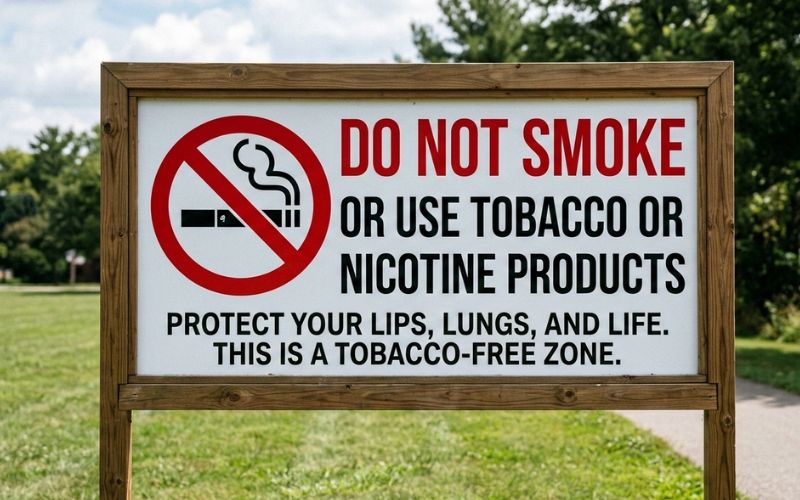
Quitting smoking is one of the most impactful simple lifestyle changes for better health. Benefits begin almost immediately, including improved breathing, better circulation, and reduced risk of chronic illness. Avoiding second-hand smoke is equally important for protecting family members, especially children.
Less Alcohol Is Better for Your Health
Many people underestimate the impact of alcohol on overall health.
Regular or excessive drinking is linked to:
- Liver disease
- Heart problems
- Mental health issues
- Poor sleep quality
Health experts agree that less alcohol is better, and for many people, avoiding it altogether is the healthiest choice.
Reducing alcohol intake can deliver several benefits:
- Improves digestion
- Supports weight management
- Enhances sleep quality
- Boosts mental clarity
Practical steps to cut back include:
- Choosing alcohol-free days
- Replacing alcoholic drinks with water or herbal tea
If you’re looking for a structured approach, explore these health and wellness tips for beginners.
Enjoy a Healthy, Balanced Diet
A nutritious diet is the foundation of good health. A healthy, balanced diet includes plenty of fruits, vegetables, whole grains, lean proteins, and healthy fats. At the same time, it limits salt, added sugar, and ultra-processed foods.
Simple dietary changes such as cooking more meals at home, eating smaller portions, and drinking enough water can lead to long-term health benefits. For inspiration in the kitchen, check out these healthy food recipes that are easy and nutritious. These everyday healthy habits support heart health, improve digestion, and help maintain a healthy weight.
Healthy Diet for Infants and Children
Healthy habits should begin early in life.
Proper nutrition during infancy and childhood supports:
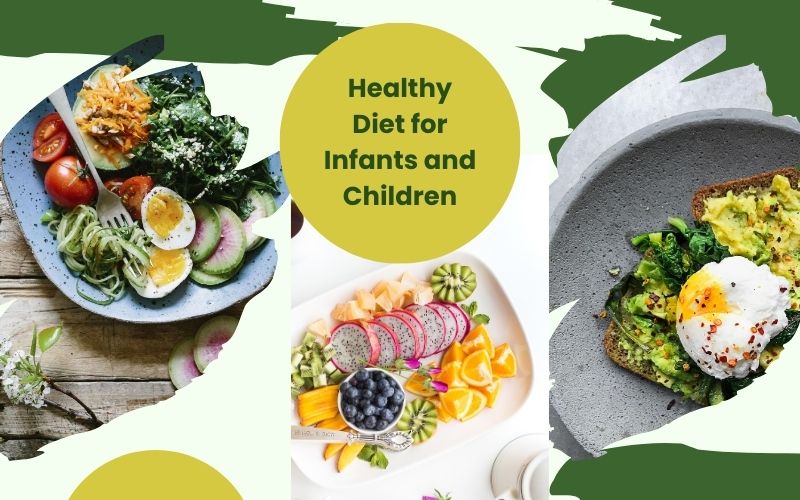
- Physical growth
- Brain development
- A strong immune system
Breastfeeding, when possible, provides essential nutrients for infants.
Older children benefit from:
- Balanced meals
- Healthy snacks
To encourage lifelong healthy eating habits in children:
- Limit sugary drinks and processed foods
- Encourage fruits, vegetables, and whole foods
These early simple lifestyle changes can prevent:
- Obesity
- Chronic diseases later in life
Healthy Diet for Pregnant and Postpartum Women
Pregnancy and the postpartum period are critical stages for both mother and child. A balanced diet rich in vitamins, minerals, protein, and healthy fats supports fetal development and maternal recovery.
Staying hydrated, eating regular meals, and avoiding harmful substances are essential lifestyle choices. Women may also benefit from learning about women’s health and wellness supplements to support their nutritional needs. Small, mindful changes such as prioritizing nutrient-dense foods can improve energy levels, mood, and overall well-being during and after pregnancy.
Stay Physically Active Every Day
Regular physical activity is one of the most effective simple lifestyle changes for better health. Exercise strengthens the heart, muscles, and bones while reducing stress and improving mental health. It also lowers the risk of chronic diseases such as diabetes and high blood pressure.
Physical activity does not require a gym membership. Walking, cycling, household chores, stretching, or light exercises at home all contribute to a healthier body. For a deeper dive, explore these fitness and wellness lifestyle tips to find a routine that works for you. Consistency matters more than intensity.
How Can Everyone Lead an Active Lifestyle?
- Everyone can lead an active lifestyle by incorporating simple movements like walking, stretching, and regular physical activity into their daily routine at any age.
- To understand the full impact of staying active, see this detailed comparison of an active lifestyle vs. a sedentary lifestyle.
Children and Teenagers
- Young people should engage in active play, sports, or outdoor activities daily.
- Limiting screen time and encouraging movement helps:
- Build strong bones
- Develop healthy habits
Adults
- Adults benefit from regular movement throughout the day.
- Simple actions to maintain fitness and reduce stress include:
- Taking the stairs
- Walking during breaks
- Short home workouts
- Those looking for sustainable weight management through movement can also read about lifestyle changes for healthy weight loss.
Older Adults
- Gentle exercises recommended for older adults include:
- Walking
- Stretching
- Balance training
- These activities help improve:
- Mobility
- Independence
- Overall quality of life
- Men in particular can benefit from reading the men’s health and wellness guide for preventive care.
Simple Daily Habits That Improve Health Naturally
Beyond diet and exercise, small daily habits have a big impact on health. Getting enough sleep supports brain function and immune health. Drinking enough water keeps the body energized and aids digestion. Practicing relaxation techniques, such as deep breathing or short breaks, helps manage daily stress.
Starting your day with intention is a powerful way to reinforce these habits. A healthy morning lifestyle routine can set a positive tone for everything that follows. If mornings aren’t your thing, there are also great morning routine ideas for non-morning people worth exploring. These simple lifestyle changes for better health are easy to adopt and sustainable in the long run
Mental Health and Emotional Well-Being
Mental health is just as important as physical health. Chronic stress, anxiety, and burnout can weaken the immune system and affect overall well-being. Mindfulness, meditation, spending time outdoors, and maintaining social connections support emotional balance.
Reducing excessive screen time, especially before bed, can improve sleep quality and mental clarity. There are many practical mental health and wellness activities you can start today. Setting healthy boundaries with others is also a key part of protecting your emotional energy — learn more about setting boundaries for emotional well-being. Prioritizing mental well-being is a key part of a healthy lifestyle.
Why Small Lifestyle Changes Are More Sustainable
Many people fail to maintain healthy routines because they aim for drastic changes.
Small, realistic adjustments are:
- Easier to sustain
- Less overwhelming
Over time, these habits become part of daily life and lead to long-term health improvements.
For a complete framework to build on, read our guide on healthy lifestyle habits for adults.
The secret to success is consistency, not perfection.
Even minor improvements, practiced daily, create meaningful results.
Common Mistakes to Avoid When Changing Lifestyle
A common mistake is expecting instant results. Health improvements take time. Another mistake is adopting an all-or-nothing mindset, which often leads to burnout. Instead, focus on progress, flexibility, and balance. Learning how to stay motivated when progress feels slow can help you push through plateaus and stay on course.
Listening to your body and making gradual adjustments helps maintain motivation and prevents frustration.
WHO Response and Global Support for Healthy Living
Global health organizations actively promote healthier lifestyles through public awareness campaigns, policy development, and community programs. These efforts focus on reducing tobacco use, encouraging physical activity, improving nutrition, and supporting mental health.
Community-level initiatives and supportive environments make it easier for individuals to adopt simple lifestyle changes for better health. You can also explore professional guidance through health and wellness coaching online or find local health and wellness workshops near you.
FAQs: Simple Lifestyle Changes for Better Health
What is the easiest lifestyle change to start with?
Drinking more water and adding daily walking are the simplest habits to begin with.They require no special equipment and fit easily into any routine.Over time, these small steps improve energy levels and overall health.
How long does it take to see health benefits?
Some positive changes, such as better sleep and improved mood, can appear within weeks.Physical benefits like weight balance and stamina usually take longer.Consistency over months leads to noticeable and lasting improvements.
Can small changes really prevent disease?
Yes, small daily habits can significantly reduce the risk of chronic diseases.Healthy eating, regular movement, and stress control support body systems.These habits help prevent heart disease, diabetes, and other long-term conditions.
Do I need to follow a strict diet to be healthy?
No, strict diets are not necessary for better health.Balanced meals and mindful eating work better than extreme restrictions.Simple, sustainable food choices deliver long-term benefits.
Is physical activity necessary even if I feel healthy?
Yes, regular physical activity supports both physical and mental well-being.It strengthens the heart, muscles, and improves mood and focus.Staying active helps maintain health even when you feel fine.
Conclusion
Improving health does not require extreme measures. Simple lifestyle changes for better health such as eating balanced meals, staying active, avoiding harmful substances, managing stress, and prioritizing sleep can create powerful, long-term results. The key is to start small, remain consistent, and focus on habits you can maintain for life. Every positive choice you make today is an investment in a healthier, happier future.
Want more expert-backed wellness tips and practical lifestyle guidance?
Explore in-depth health, mindfulness, and personal growth articles at https://mindscribes.com/ and take the next step toward living your best, healthiest life one simple habit at a time.