We live in a fast-paced world where instant results are celebrated. Social media rewards quick wins, and society often praises overnight success. But real success, whether in fitness, career, relationships, or setting personal growth goals that actually stick, takes time. That’s where the challenge lies: how to stay motivated when progress feels slow.
When your results don’t show up as quickly as you expect, self-doubt creeps in. You start questioning your methods, your discipline, or even your worth. The truth is, slow progress doesn’t mean failure. It means you’re building resilience, consistency, and habits that last.
Why Progress Often Feels Slow
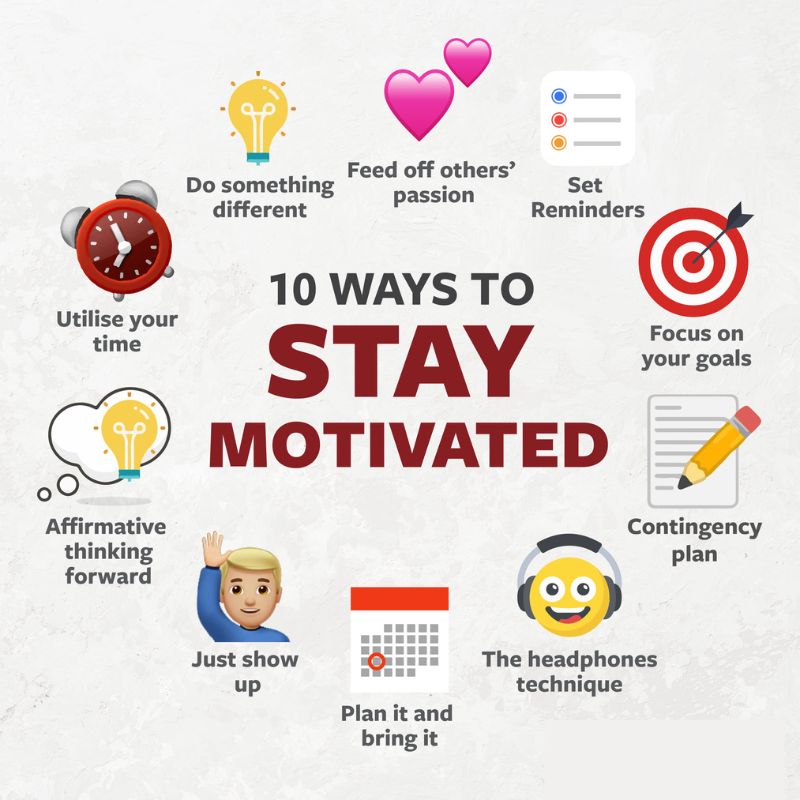
Before learning how to stay motivated, it’s worth understanding why progress feels so painfully slow sometimes.
- The brain craves instant gratification. Dopamine spikes when we see quick wins. Long-term goals, like losing weight or building a business, don’t give that instant feedback
- Unrealistic expectations. Many people expect big changes in weeks rather than months or years
- Comparison culture. Seeing others’ highlight reels online can make you believe you’re behind
- Invisible growth. Often, the most meaningful progress, including building resilience during hard stretches, new habits, and improved skills, isn’t visible right away
The Psychology of Motivation
Understanding how motivation works is key to managing it. Motivation comes in two main forms:
- Extrinsic Motivation: driven by rewards like money, recognition, or external validation
- Intrinsic Motivation: driven by passion, curiosity, and personal fulfillment
When progress feels slow, extrinsic motivation often fails. That’s why tapping into intrinsic motivation, understanding your own “why,” is essential for sustainable effort.
💡 Pro Tip: Write down your why and revisit it daily. This simple act builds clarity and strengthens commitment.
How to Stay Motivated When Progress Feels Slow
Staying motivated during slow progress requires patience, resilience, and the right mindset to keep moving forward even when results aren’t immediate. The seven approaches below cover the most reliable ways to do that.
1. Trust in the Process
Big results are the outcome of small, repeated actions, much like lowering your metabolic age over time comes from consistent daily habits rather than obsessing over the end goal.
- Replace “I’m not there yet” with “I’m getting closer every day”
- Track habits, not just results. For example, track workouts completed, not just pounds lost
2. Remember Your “Why”
Your reason for starting matters more than the temporary discomfort of slow progress. Ask yourself what’s actually driving this goal:
- Is it better health?
- Career advancement?
- Personal growth and resilience?
Revisiting your why builds emotional resilience and helps you push forward even on hard days.
3. Break Goals into Micro-Steps
Overwhelming goals can drain motivation before you even start. Instead, use the SMART goals framework: Specific, Measurable, Achievable, Relevant, and Time-bound.
Example: Instead of “I want to get fit,” set: “I’ll walk for 20 minutes, five times a week, for the next month.” Small wins build momentum.
4. Focus on Progress, Not Perfection
Perfectionism often kills motivation before results have a chance to show up. Celebrate small improvements that compound over time, since they add up into big results eventually.
Think of progress as compound interest for personal development, slow at first but exponential over time.
5. Use Mindfulness to Stay Present
When results are delayed, anxiety about the future can overwhelm you. Practicing mindfulness throughout your day through meditation, deep breathing, or journaling helps you stay grounded in the present moment.
👉 Even 5 minutes of mindfulness daily can improve motivation and reduce stress.
6. Surround Yourself with the Right People
Environment matters more than most people give it credit for. If your circle constantly complains, your energy will drain. On the other hand, being around growth-oriented, supportive individuals fuels motivation.
- Find accountability partners
- Join communities with similar goals
- Learn from mentors
7. Reframe Setbacks as Lessons
Every setback provides feedback, even when it doesn’t feel that way in the moment. Instead of labeling it failure, ask:
- What can I learn from this?
- How can I adjust my strategy?
This mindset keeps motivation alive and builds resilience.
Practical Daily Habits to Stay Motivated
Beyond the mindset shifts above, a few small daily habits make motivation much easier to sustain:
- Morning routines with affirmations or journaling
- Exercise and affordable clean eating habits for better energy
- Limit screen time to avoid comparison traps
- Celebrate mini-wins weekly
- Practice gratitude journaling to shift focus from lack to abundance
The Spiritual Side: Trust in Timing
Sometimes motivation isn’t about doing more, it’s about trusting timing. Just like seeds need seasons to grow, your efforts may take months or years to show results. Patience is part of progress.
Final Thoughts
Slow progress doesn’t mean you’re failing, it means you’re building a foundation for lasting success. The key is consistency, mindfulness, and remembering your why. Every step, no matter how small, is moving you closer to your vision.
👉 If you’re serious about building resilience, motivation, and long-term success, explore more guides at MindScribes, a hub built around personal growth and everyday inspiration.
FAQs: How to Stay Motivated When Progress Feels Slow
Here are quick answers to the questions people ask most often about staying motivated through slow progress.
1. Why do I lose motivation when progress feels slow?
Because the brain craves instant results. Practicing mindfulness and focusing on small wins helps maintain momentum.
2. What are the best strategies to stay motivated during slow progress?
Break goals into smaller steps, use accountability partners, track progress, and stay mindful of your long-term vision.
3. Can slow progress still lead to success?
Yes. Consistency compounds. Small, steady efforts often lead to more sustainable success than quick gains.
4. How does self-care impact motivation levels?
Habits like better sleep, exercise, and clean eating boost energy and focus, making it easier to stay motivated.
5. Should I change my goals if progress is too slow?
Not necessarily. Adjust your methods, not your vision. Reflect on whether your goals are realistic and aligned with your values.