Maintaining a healthy lifestyle often starts in the kitchen. But with busy schedules, daily cooking can feel overwhelming. That’s where meal prepping comes in. Learning how to meal prep for a healthy lifestyle helps you stay on track with your nutrition goals, reduce stress, save money, and eliminate last-minute unhealthy food choices.
In this guide, you’ll learn how to meal prep efficiently, what foods to focus on, how to stay organized, and most importantly, how to build habits that actually last.
What is Meal Prepping and Why is it Important?
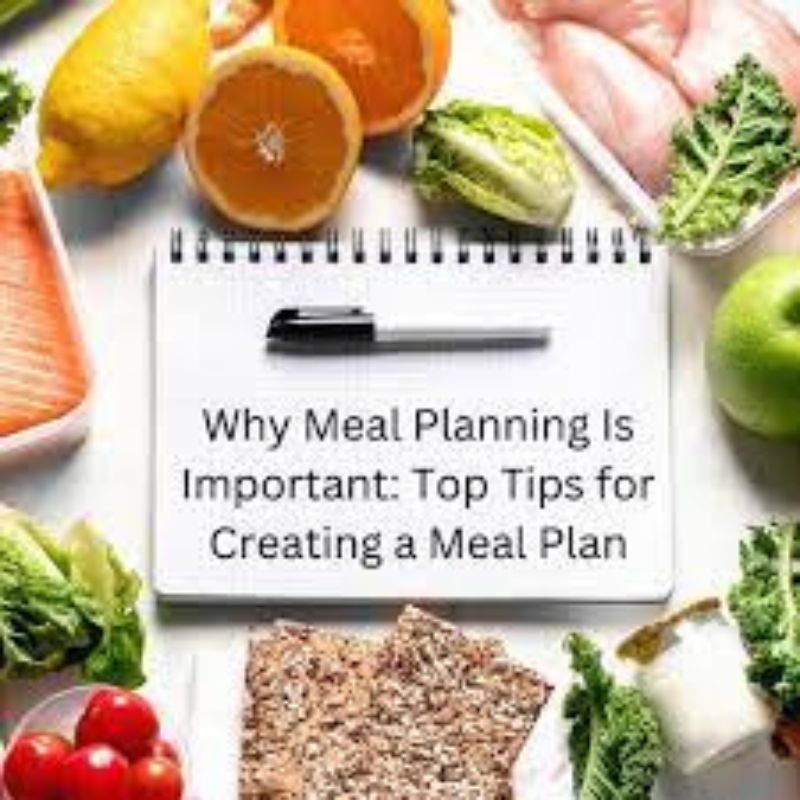
Before diving into the how-to, it helps to understand what meal prepping actually involves. Meal prepping is the practice of preparing meals or meal components in advance. This could mean cooking entire dishes for the week or simply chopping vegetables and portioning out snacks.
The goal is simple: save time during the week and make healthy eating easier.
Here’s why meal prep for a healthy lifestyle is becoming a must:
- Saves time and energy on busy weekdays
- Reduces food waste by planning smartly
- Improves nutrition by avoiding fast food or processed meals
- Supports weight management through portion control
- Eases decision fatigue, keeping your health on autopilot
Whether you’re a student, working professional, or full-time parent, meal prepping can bring structure and wellness to your daily routine, and it pairs naturally with everyday habits for better health that you may already be building.
Getting Started with Meal Prep: Step-by-Step
Now that you know why meal prep matters, here’s a beginner-friendly approach to help you get started with meal prep for a healthy lifestyle without overcomplicating things.
Step 1: Plan Your Meals
Everything starts with a plan, so decide what meals you want to prep first, whether that’s breakfast, lunch, dinner, or all three. Browsing a solid collection of healthy recipe ideas to try can make this step much faster.
Make sure each meal includes:
- Protein: Chicken, fish, tofu, lentils
- Complex carbs: Brown rice, sweet potatoes, quinoa
- Healthy fats: Avocado, nuts, olive oil
- Vegetables: Broccoli, spinach, carrots, bell peppers
Planning ahead minimizes the risk of skipping meals or grabbing junk food.
Step 2: Make a Shopping List
With your meals planned, the next step is turning that plan into an organized grocery run. Write a shopping list with exact quantities and group items by category, such as produce, dairy, and dry goods, to save time in the store. A basic grocery list app or even a notes app on your phone works well for keeping this organized.
Step 3: Choose a Prep Day
Once your ingredients are ready, it’s time to set aside dedicated time for cooking. Pick one or two days in the week to prep, like Sunday and Wednesday. You can batch-cook meals, portion ingredients, or even marinate proteins in advance.
Set aside one to two hours depending on how much you’re preparing.
Step 4: Cook and Store Properly
After cooking, how you store your food matters just as much as how you prepare it. Cook your meals or components, allow them to cool, and then store them in airtight containers. Use glass containers or BPA-free plastic boxes to maintain freshness and prevent spoilage.
Label everything with the name and date to avoid confusion later in the week.
Step 5: Reheat and Enjoy
The last step is the easiest part of the whole process. Most meal-prepped dishes can be quickly reheated in the microwave or stovetop. For salads and fresh items, just toss and eat. This ease is what makes meal prep for a healthy lifestyle sustainable over the long term.
Best Foods for Meal Prepping
With the process covered, it’s worth knowing which foods actually hold up well once prepped. Certain foods store and reheat better than others, and here are the top meal prep-friendly options.
- Proteins: Grilled chicken, turkey, lentils, chickpeas, boiled eggs
- Grains: Brown rice, oats, couscous, whole grain pasta
- Veggies: Roasted cauliflower, steamed broccoli, bell peppers, carrots
- Snacks: Hummus with veggie sticks, mixed nuts, Greek yogurt, boiled eggs
Avoid foods that get soggy quickly, like salads with dressing (store dressing separately) or fried items. If you’re also looking for ways to keep meals varied and nutrient-dense, incorporating more superfoods into your weekly rotation is a simple upgrade.
Tips to Stay Consistent with Meal Prep
Knowing what to cook is only half the battle, since consistency is what actually makes meal prep pay off. Here’s how to stay on track.
- Keep it simple. You don’t need ten gourmet recipes every week. Stick to two or three basic meals and rotate.
- Use leftovers creatively. Turn last night’s roasted veggies into a breakfast wrap.
- Invest in tools. A slow cooker, rice cooker, and food scale can make prepping faster and easier.
- Try theme days. For example, “Meatless Mondays” or “Taco Tuesdays” to reduce decision fatigue.
- Track your meals. Keeping a simple log helps you notice patterns and stay accountable to your goals.
Consistency also comes easier when your week is already organized, so pairing meal prep with better time management strategies tends to make both habits stick.
Benefits of Meal Prep Beyond Nutrition
While it’s easy to focus on the physical benefits like better health and weight control, there are psychological perks too.
- Reduces daily stress by eliminating the “what to eat” dilemma
- Saves money by avoiding takeout
- Improves productivity by reducing energy spent on food decisions
- Encourages mindfulness around what and how you eat
For people managing conditions like diabetes, hypertension, or obesity, meal prepping can even be part of their medical nutrition therapy, and it often plays a role in broader efforts around supporting long-term weight management.
FAQs About Meal Prep for a Healthy Lifestyle
To wrap up, here are answers to some of the most common questions people have before starting a meal prep routine.
1. How many days can I store meal-prepped food?
Most cooked meals last three to five days in the refrigerator. For longer storage, freeze meals and thaw when needed.
2. Can I meal prep if I have a small kitchen?
Yes. Use space-saving tools like stackable containers and prep one meal at a time. Focus on simple, one-pot recipes.
3. What if I get bored of eating the same meals?
Variety is key. Change up sauces, spices, or swap out sides. Even one ingredient change can refresh the dish.
4. Is meal prep suitable for weight loss?
Absolutely. Pre-portioned meals help manage calories and prevent overeating, making it a useful tool for weight control.
5. How do I meal prep on a budget?
Buy ingredients in bulk, use seasonal produce, and plan meals around affordable staples like lentils, eggs, and rice. Learning the basics of clean eating on a budget can help you stretch your grocery money further.
6. Do I need special equipment to start meal prepping?
No. A few sets of airtight containers, a sharp knife, and a cutting board are enough to begin. Tools like a slow cooker or food scale are helpful upgrades, but they aren’t required.
7. Is meal prep safe for people with dietary restrictions or allergies?
Yes, and it can actually make eating safely easier. Preparing your own meals in advance gives you full control over ingredients, which reduces the risk of accidental exposure to allergens or foods that don’t fit your diet.
Conclusion: Make Meal Prep a Lifestyle, Not a Chore
Pulling it all together, learning how to meal prep for a healthy lifestyle is not just a trend, it’s a sustainable approach to self-care. From improving your diet to simplifying your routine, meal prepping gives you back control of your time, health, and energy.
Start small, stay consistent, and adjust as you learn what works for you. Meal prep fits naturally into building a consistent daily routine that supports the rest of your health goals.