Self-reflection is more than just thinking about your day, it’s an intentional process of looking inward to better understand your thoughts, emotions, and behaviors. In today’s fast-paced world, where distractions dominate, practices like poses that calm anxious energy can support this process by creating space for clarity and calm. Taking time for self-reflection can be a game-changer for personal growth. But what makes it so powerful, and how can you practice it effectively in your daily life?
In this comprehensive guide, we’ll cover:
- What self-reflection really means
- Why it’s essential for personal growth
- Simple methods to incorporate it into your life
- Common challenges and how to overcome them
- Practical tips, FAQs, and expert insights
What is Self-Reflection?
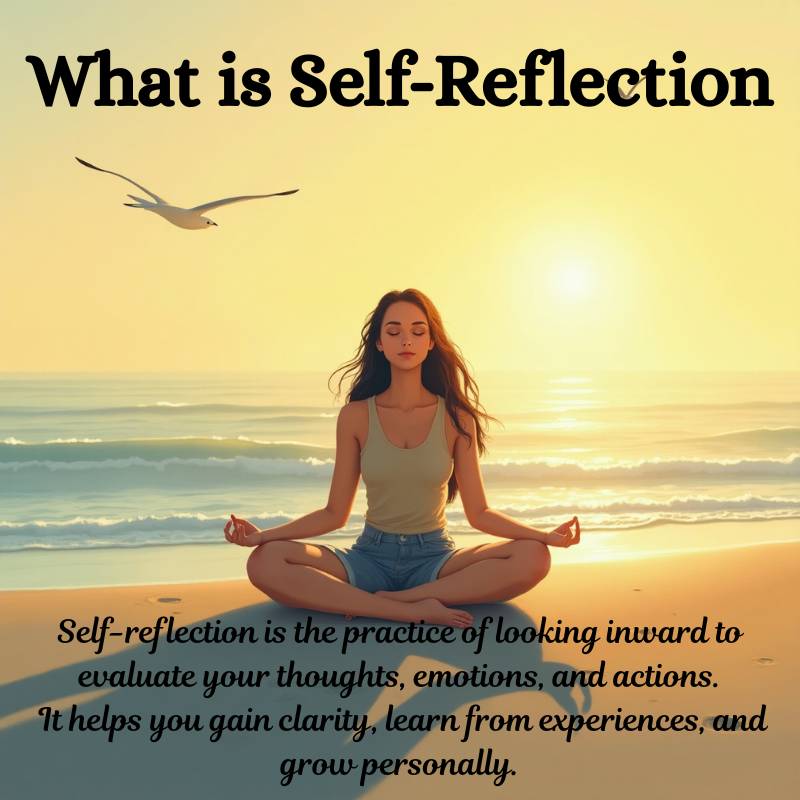
Self-reflection is the practice of intentionally examining your thoughts, feelings, actions, and experiences to gain a deeper understanding of yourself. It’s about stepping back, observing without judgment, and identifying areas for growth.
Instead of living on autopilot, self-reflection allows you to pause and ask:
- Why did I react that way?
- What can I learn from this experience?
- How can I improve moving forward?
This simple act can lead to profound changes in mindset, behavior, and relationships.
The Importance of Self-Reflection in Personal Growth
Why is self-reflection so critical for personal development? Because it creates awareness, and awareness is the first step toward change. The five reasons below explain why it matters so much.
1. Improves Self-Awareness
You can’t grow if you don’t know where you stand, and reflection is what reveals your strengths, weaknesses, and the habits that shape your mindset without you even noticing.
2. Enhances Decision-Making
Better choices start with better self-understanding. When you understand your motives and patterns, you make decisions that align more closely with what you actually want.
3. Builds Emotional Intelligence
How you handle emotions shapes every relationship you have. Self-reflection helps you recognize and regulate those emotions, which strengthens connections with the people around you.
4. Reduces Stress and Anxiety
Unprocessed feelings tend to pile up and weigh on you over time. Taking time to work through them through calming anxious thoughts without medication creates mental clarity and a steadier sense of calm.
5. Encourages Continuous Growth
Growth rarely happens by accident. By learning from past experiences, you avoid repeating the same mistakes and gradually build real resilience.
How to Practice Self-Reflection Effectively
Practicing self-reflection doesn’t require hours of meditation, although meditation certainly helps. Here are simple, actionable methods you can start using today.
1. Journaling
Putting thoughts on paper often reveals patterns you would otherwise miss. Write down your thoughts, feelings, and key experiences daily, using prompts like:
- “What am I grateful for today?”
- “What did I learn from today’s challenges?”
2. Mindful Meditation
Sitting with your thoughts, rather than reacting to them, is where a lot of insight happens. Spend 10 minutes practicing meditation for mental clarity and simply observe your thoughts without judgment. This builds awareness and presence over time.
3. Ask “Why” Questions
Getting past the surface reaction takes a bit of digging. When something triggers you, ask:
- “Why did this affect me?”
- “What does this say about my values?”
4. Seek Feedback
Self-reflection has blind spots, and other people can often fill them in. Sometimes others notice what we don’t, and constructive feedback can provide genuinely powerful insights.
5. Digital Detox
Constant notifications leave little room for deeper thought. Cutting back on how much screen time affects your rest and focus and social media scrolling opens up the quiet moments that encourage deeper thinking.
Common Challenges in Self-Reflection and How to Overcome Them
Even people who value self-reflection often struggle to keep it up. Here are the most common roadblocks and simple ways around them.
1. Lack of Time
Solution: Start with 5 minutes a day. Even short sessions are impactful once they become a habit.
2. Fear of Facing the Truth
Solution: Remember that growth comes from honesty, not avoidance, even when the truth is uncomfortable at first.
3. Overthinking vs. Reflecting
Solution: Stick to structured questions and journaling to keep reflection productive instead of letting it spiral into rumination.
4. Inconsistent Practice
Solution: Schedule it. Set reminders just like you would for a meeting, so it doesn’t quietly slip off your list.
Techniques to Deepen Self-Reflection
Once the basics feel comfortable, a few additional techniques can take your practice further.
- Use Guided Prompts: Apps like Reflectly or Stoic provide structured reflections
- Practice Gratitude: List 3 things daily you’re thankful for
- Try Yoga or Mindfulness Practices: Physical awareness supports a focused, clear-headed start to your day
- Walking Reflection: Turning a daily walk into thinking time by leaving distractions behind and thinking intentionally
Benefits of Self-Reflection for Personal Growth
The effects of consistent self-reflection tend to show up in several areas of life at once:
- Increased clarity about life goals
- Stronger emotional resilience
- Better relationships through empathy
- Improved overall mental wellbeing
- Greater confidence built through daily habits and self-trust
The Role of Self-Reflection in Professional Life
Personal growth impacts your career too, often in ways that are easy to overlook. Reflection helps you identify strengths for promotions, improve communication with colleagues, and manage workplace stress more effectively.
How Often Should You Reflect?
There’s no strict rule here, but consistency matters more than frequency. Most people settle into a rhythm somewhere between these three options:
- Daily: Quick journaling or mindfulness check-ins
- Weekly: Deeper review of goals and lessons
- Monthly: Evaluate long-term progress
FAQs About Self-Reflection and Personal Growth
Here are quick answers to the questions people ask most often about building a self-reflection practice.
1. How long should self-reflection take?
Even 5 to 10 minutes daily can make a noticeable difference. Longer sessions of 30 to 60 minutes once a week help with deeper analysis of bigger patterns.
2. Can self-reflection reduce anxiety?
Yes. Processing emotions and thoughts on a regular basis reduces mental clutter and lowers overall stress.
3. What tools can help with self-reflection?
Journals, meditation apps such as Headspace or Calm, and guided prompts all work well, especially for people just getting started.
4. Is self-reflection the same as overthinking?
No. Overthinking spirals into worry without resolution, while reflection stays focused on solutions and growth.
5. How can beginners start self-reflection?
Start small by asking yourself one question daily, such as “What went well today?” and build from there as it becomes a habit.
Final Thoughts
Working through self-doubt as part of your personal growth journey isn’t about perfection, it’s about progress. By pausing, questioning, and learning, you gain control over your thoughts, actions, and future. Starting small, even just 5 minutes a day, can transform your mindset and unlock your true potential.
Self-reflection is a lifelong habit, and the more you practice it, the more self-aware and empowered you become. Your best version is waiting to start today.
You can find more guidance for building habits like this one on MindScribes, where personal growth and self-reflection are at the center of everything we cover.