Starting a fitness journey can feel overwhelming when you are short on time, do not have access to a gym, or simply prefer working out in private. A beginner workout routine for weight loss at home gives you a structured way to build strength, burn calories, and build confidence, all from your living room.
This guide walks through a complete, easy to follow plan built around real beginner needs. It covers warm-ups, a full-body circuit, cool-down stretches, a weekly schedule, and the nutrition habits that help your results stick.
Why Home Workouts Work for Beginners
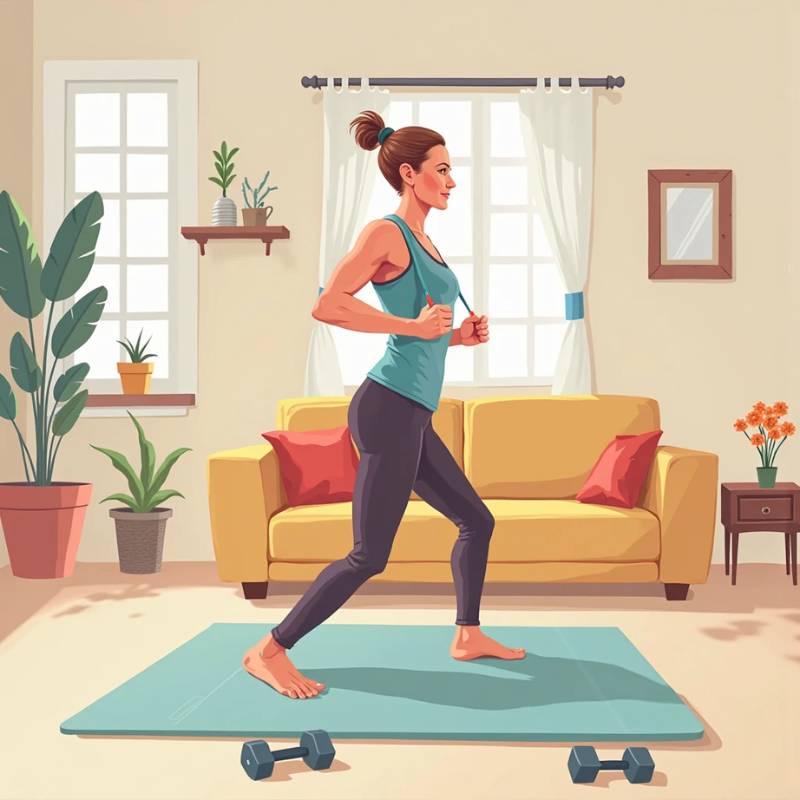
Before jumping into the routine itself, it helps to understand why training at home is such a strong starting point for beginners in the first place. Home workouts remove many of the common barriers that stop people from getting started, like commute time, gym anxiety, and membership costs.
- Convenience: no need to travel or wait for equipment.
- Privacy: train without feeling judged or self conscious.
- Flexibility: exercise at any time that suits your schedule.
- Cost effective: no expensive machines or memberships needed.
With a smart routine, you can lose weight, build strength, and improve endurance without ever stepping outside your home.
Best Beginner Workout Routine for Weight Loss at Home
Now that you know why home training works, here is the actual routine. A well rounded beginner workout should combine cardio, strength training, and flexibility work. The goal is to raise your metabolism, burn calories, and build lean muscle in equal measure.
1. Warm-Up (5-10 minutes)
Every session should begin with a short warm-up to raise your heart rate and prepare your joints for movement, which helps prevent injury later in the workout.
- Arm circles
- Marching in place
- Shoulder rolls
- Gentle jumping jacks
- Neck rotations
2. Full-Body Circuit (30 minutes total)
Once you are warmed up, move into the main circuit. Repeat the full sequence two to three times, resting for around 30 seconds between exercises.
Bodyweight Squats (15 reps)
Strengthens the legs, glutes, and core in one movement.
Wall Push-ups (12 reps)
A gentler entry point for building upper body strength before progressing to full push-ups.
Glute Bridges (15 reps)
Targets the glutes, hamstrings, and core stability muscles.
Step-ups (10 reps per leg)
Use stairs or a low, sturdy bench for a combined cardio and strength move.
Plank (20 seconds)
Engages the entire core. Start with short holds and build duration gradually as you get stronger.
High Knees (30 seconds)
Raises your heart rate quickly and adds a calorie burning finish to the circuit.
Pro tip: keep a timer nearby so you can move between exercises without breaking focus. Staying consistent matters far more than pushing intensity at this stage.
3. Cool Down and Stretching (5-10 minutes)
Closing out the session properly is just as important as the circuit itself, since it helps your muscles recover and reduces next day soreness.
- Hamstring stretch
- Child’s pose
- Chest opener
- Cat-cow stretch
- Seated forward fold
If tightness or discomfort in your lower back tends to linger after training, it is worth working through some targeted stretches for lower back relief on your rest days as well.
Weekly Plan: A Beginner-Friendly Schedule
With the individual pieces in place, here is how to lay them out across a full week so the routine stays sustainable rather than overwhelming.
- Monday: Full-body workout
- Tuesday: Light walk or rest
- Wednesday: Full-body workout
- Thursday: Yoga or stretching
- Friday: Full-body workout
- Saturday: Active rest, such as a light walk or dancing
- Sunday: Rest
On your Thursday recovery day, gentle movement practiced through yoga for overall health and wellness pairs well with the strength days and keeps your joints mobile between circuits. Start slow, increase duration or intensity gradually, and stick with this layout for four to six weeks while tracking your progress.
Nutrition Tips to Support Your Routine
Exercise is only one half of the weight loss equation, so it helps to pair your workouts with a few simple nutrition habits that support the results you are working for.
- Eat whole, unprocessed foods: lean proteins, vegetables, whole grains, and healthy fats.
- Stay hydrated: water supports metabolism and keeps energy levels steady throughout the day.
- Control portions: use a plate method or food scale as a simple guide.
- Avoid sugary drinks: choose water or herbal tea instead.
- Plan your meals: reduces last minute cravings and keeps you on track.
If meal planning feels like the hardest part to keep up with, a simple approach to meal prepping for a healthier lifestyle can take most of the daily guesswork out of eating well. A solid beginner workout routine paired with mindful eating builds a foundation that lasts well beyond the first few weeks.
Common Mistakes to Avoid
Even with a solid plan, a few common missteps can slow down your progress, so it is worth watching out for these as you get started.
- Skipping the warm-up or cool-down
- Doing too much too soon
- Not staying consistent
- Ignoring your nutrition
- Comparing your progress with others
Consistency tends to matter more than any single workout, and building self discipline that lasts long term is often what separates people who see results from people who quit after a few weeks. Focus on progress, not perfection. A short workout done regularly beats a long one done sporadically.
Keep Building on This Foundation
Once this routine starts to feel manageable, a few related habits can help you carry the momentum forward into a broader, healthier lifestyle.
- Explore practical lifestyle changes that support weight loss beyond the workout itself.
- Learn how shifting from an active lifestyle versus a sedentary one affects long term health.
- Browse general health and wellness tips for beginners to round out your new routine.
FAQs
Here are answers to the questions beginners ask most often about starting this routine.
1. Can I lose weight with a beginner workout routine for weight loss at home?
Yes. Paired with a calorie conscious diet, consistent home training can be highly effective. Many people see meaningful results simply by staying disciplined and tracking their progress week to week.
2. How long should a beginner workout be?
Start with 20 to 30 minutes, three to five times a week. Increase intensity or add resistance gradually as your body adapts.
3. Do I need equipment for home workouts?
Not necessarily. Bodyweight exercises are enough to start. Resistance bands or light dumbbells can add variety once you are ready for more challenge.
4. What is the best time to exercise?
Whichever time fits your lifestyle consistently. Morning workouts can boost energy for the day, while evening sessions can help relieve accumulated stress.
5. How quickly will I see results?
Most beginners notice changes in energy and mood within about two weeks. Visible physical changes typically take four to eight weeks of consistent effort.
6. Can beginners do this routine every day?
Rest days matter just as much as training days. Following the weekly schedule, with active rest and full rest built in, gives your muscles time to recover and reduces the risk of burnout or injury.
7. What should I do if I miss a workout day?
Simply pick the plan back up where you left off. Missing a single session will not undo your progress, and returning to consistency matters far more than being perfect every week.
Conclusion
Getting healthier does not require a gym membership or a complicated routine. A beginner workout routine for weight loss at home is accessible, effective, and genuinely empowering once you get a few weeks in. It builds the habit of daily movement, strengthens your body, and lays the groundwork for results that actually last.
Keep the plan simple, stay consistent through the first month, and let the small wins add up week by week.