Many people believe that staying healthy requires drastic diets, intense workouts, or expensive treatments. In reality, simple lifestyle changes for better health can make a powerful difference over time. Small, consistent habits such as eating better, moving more, sleeping well, and managing stress improve both physical and mental well-being, and global health experts agree that everyday choices play a major role in preventing chronic disease.
Adopting healthy daily routines also boosts energy, supports immunity, and strengthens emotional balance. These changes are easy to follow, sustainable in the long run, and suitable for people of all ages and backgrounds.
Key Facts About Lifestyle and Health
A few key facts explain why daily habits matter so much for long-term health.
- Noncommunicable diseases such as heart disease, diabetes, obesity, and respiratory illness are among the leading causes of death worldwide.
- Most of these conditions are closely linked to daily lifestyle habits.
- Unhealthy diets, physical inactivity, smoking, excessive alcohol use, and chronic stress slowly damage the body over time.
- Small changes, practiced consistently, can reduce disease risk, support immunity, and raise energy levels.
To see how specific habits contribute to illness, it helps to understand how modern lifestyle diseases can be prevented. A healthy lifestyle does not mean perfection. It means making better choices most of the time.
Do Not Smoke or Use Tobacco or Nicotine Products
Avoiding tobacco is the single biggest step many people can take to protect their health.
Smoking and the use of tobacco or nicotine products increase the risk of lung disease, heart disease, stroke, and several types of cancer. Even occasional smoking can be harmful.
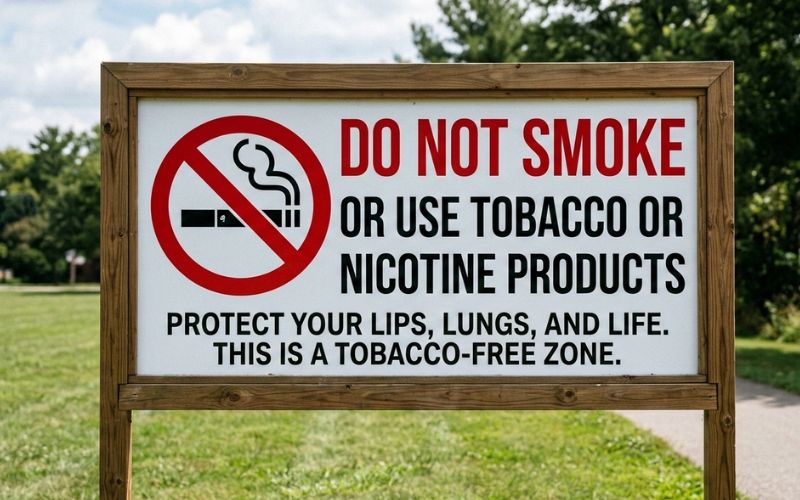
Quitting is one of the most impactful simple lifestyle changes for better health. Benefits start soon after, including easier breathing, better circulation, and a lower risk of chronic illness. Avoiding second-hand smoke also protects family members, especially children.
Less Alcohol Is Better for Your Health
Many people underestimate how much alcohol affects overall health, so it is worth looking at both the risks and the benefits of cutting back.
Regular or excessive drinking is linked to liver disease, heart problems, mental health issues, and poor sleep quality. Health experts agree that less alcohol is better, and for many people avoiding it altogether is the healthiest choice.
Reducing alcohol can:
- Improve digestion
- Support weight management
- Enhance sleep quality
- Boost mental clarity
Practical ways to cut back include choosing alcohol-free days and replacing alcoholic drinks with water or herbal tea. A set of beginner-friendly wellness habits can give you a structured way to start.
Enjoy a Healthy, Balanced Diet
Food is the foundation of good health, and the best diet is one you can maintain.
A balanced diet includes plenty of fruits, vegetables, whole grains, lean proteins, and healthy fats, while limiting salt, added sugar, and ultra-processed foods. Simple changes like cooking more meals at home, eating smaller portions, and drinking enough water bring lasting benefits. Easy healthy food recipes make those changes more enjoyable, and these habits support heart health, digestion, and a healthy weight.
Healthy Diet for Infants and Children
Healthy habits are easiest to build early, and childhood nutrition shapes health for decades.
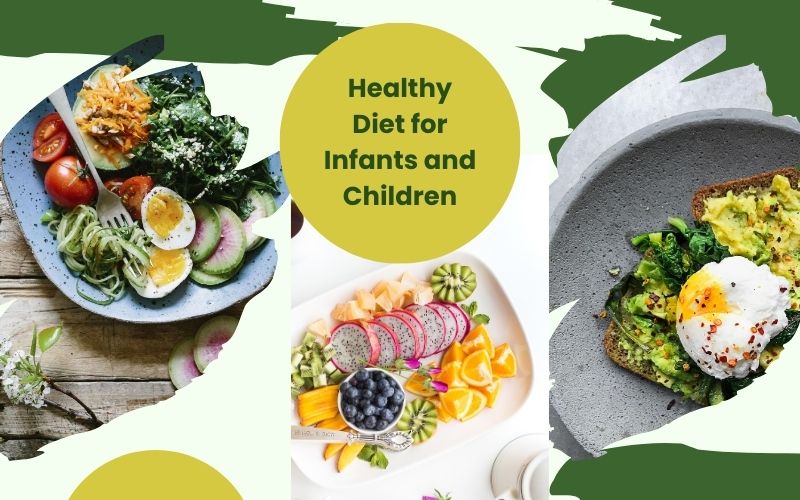
Proper nutrition in infancy and childhood supports physical growth, brain development, and a strong immune system. Breastfeeding, when possible, provides essential nutrients for infants. Older children benefit from balanced meals and healthy snacks.
To encourage lifelong healthy eating, limit sugary drinks and processed foods and encourage fruits, vegetables, and whole foods. These early changes can help prevent obesity and chronic disease later in life.
Healthy Diet for Pregnant and Postpartum Women
Pregnancy and the postpartum period are critical stages for both mother and child, so nutrition deserves extra attention.
A balanced diet rich in vitamins, minerals, protein, and healthy fats supports fetal development and maternal recovery. Staying hydrated, eating regular meals, and avoiding harmful substances are essential. Some women also look into women’s health supplements, and it is best to discuss any supplement with a doctor first. Prioritizing nutrient-dense foods can improve energy and mood during and after pregnancy.
Stay Physically Active Every Day
Daily movement is one of the most effective changes you can make, and it does not need to be complicated.
Exercise strengthens the heart, muscles, and bones, reduces stress, and lowers the risk of diabetes and high blood pressure. You do not need a gym membership. Walking, cycling, household chores, stretching, or light exercises at home all count, and practical fitness and wellness lifestyle tips can help you build a routine you enjoy. Consistency matters more than intensity.
How Can Everyone Lead an Active Lifestyle?
Everyone can be active at any age by building simple movements like walking and stretching into the daily routine, and seeing the benefits of an active versus sedentary lifestyle shows why it matters. The best approach varies by age group.
Children and Teenagers
Young people thrive on play, so activity should feel fun rather than forced.
Children and teens should enjoy active play, sports, or outdoor activities daily. Limiting screen time and encouraging movement helps build strong bones and healthy habits.
Adults
Busy adults can stay active by spreading movement through the day instead of relying on one long workout.
Taking the stairs, walking during breaks, and doing short home workouts maintain fitness and reduce stress. A daily walking habit is an easy place to start, and sustainable lifestyle changes for weight loss can help those who also want healthy weight management.
Older Adults
For older adults, gentle and regular movement protects independence.
Walking, stretching, and balance training improve mobility, independence, and overall quality of life. Men in particular may find preventive care for men’s health useful alongside regular activity.
Simple Daily Habits That Improve Health Naturally
Beyond diet and exercise, a handful of small daily habits have an outsized effect on how you feel.
Enough sleep supports brain function and immune health, and improving sleep quality naturally is a good first goal. Drinking enough water keeps you energized and aids digestion, and relaxation techniques such as deep breathing or short breaks help manage daily stress.
Starting the day with intention reinforces these habits. A healthy morning lifestyle routine sets a positive tone, and morning routine ideas for non-morning people work well if early starts do not suit you. These changes are easy to adopt and sustainable in the long run.
Mental Health and Emotional Well-Being
Mental health is just as important as physical health, and the two influence each other every day.
Chronic stress, anxiety, and burnout can weaken the immune system and affect overall well-being. Mindfulness, meditation, time outdoors, and social connection support emotional balance, and practicing mindfulness in daily life is a simple way to begin.
Cutting screen time before bed can improve sleep and mental clarity, as shown by the effects of screen time on sleep. You can also try practical mental health and wellness activities, and setting healthy emotional boundaries helps protect your energy. If low mood or anxiety persists, speak with a healthcare professional.
Why Small Lifestyle Changes Are More Sustainable
Many people fail to keep healthy routines because they aim for drastic change, which is why small steps tend to win.
Small, realistic adjustments are easier to sustain and far less overwhelming. Over time they become part of daily life and lead to long-term improvements. A complete framework of healthy lifestyle habits for adults can help you build on them.
The secret to success is consistency, not perfection. Even minor improvements, practiced daily, create meaningful results.
Common Mistakes to Avoid When Changing Lifestyle
A few predictable mistakes derail well-meant plans, so it helps to know them before you begin.
The first is expecting instant results, since health improvements take time. Another is an all-or-nothing mindset, which often leads to burnout. Focus on progress, flexibility, and balance, and learn staying motivated when progress feels slow to push through plateaus.
Listening to your body and making gradual adjustments maintains motivation and prevents frustration.
Global Support for Healthy Living
You do not have to make these changes alone, because organizations and communities actively support healthier living.
Global health organizations such as the WHO promote healthier lifestyles through awareness campaigns, policy, and community programs aimed at reducing tobacco use, encouraging activity, improving nutrition, and supporting mental health. Supportive environments make simple changes easier to adopt.
For personal guidance, you can try online health and wellness coaching or find local wellness workshops in your area.
FAQs: Simple Lifestyle Changes for Better Health
These quick answers cover the questions readers ask most when starting a healthier lifestyle.
What is the easiest lifestyle change to start with?
Drinking more water and adding daily walking are the simplest habits to begin with. They require no special equipment and fit easily into any routine. Over time, these small steps improve energy levels and overall health.
How long does it take to see health benefits?
Some positive changes, such as better sleep and improved mood, can appear within weeks. Physical benefits like weight balance and stamina usually take longer. Consistency over months leads to noticeable and lasting improvements.
Can small changes really prevent disease?
Yes, small daily habits can significantly reduce the risk of chronic diseases. Healthy eating, regular movement, and stress control support the body’s systems. These habits help lower the risk of heart disease, diabetes, and other long-term conditions.
Do I need to follow a strict diet to be healthy?
No, strict diets are not necessary for better health. Balanced meals and mindful eating work better than extreme restrictions. Simple, sustainable food choices deliver long-term benefits.
Is physical activity necessary even if I feel healthy?
Yes, regular physical activity supports both physical and mental well-being. It strengthens the heart and muscles and improves mood and focus. Staying active helps maintain health even when you feel fine.
Conclusion
To sum up, better health is built from ordinary choices repeated over time.
Improving health does not require extreme measures. Simple lifestyle changes for better health, such as eating balanced meals, staying active, avoiding harmful substances, managing stress, and prioritizing sleep, create powerful long-term results. Start small, stay consistent, and focus on habits you can keep for life. This article is general information, so check with a healthcare professional before major changes, especially if you have a medical condition.
For more practical guidance, browse the health and wellness section of MindScribes.