Australia is one of the most breathtaking destinations on the planet. From the rugged red outback to the crystal-clear waters of the Great Barrier Reef, there is genuinely something magical around every corner. But like any destination, it comes with its own unique set of risks and knowing what to watch out for before you land can make all the difference between a holiday you will never forget and one you wish you could.
Whether it is your first visit or your fifth, these travel safety tips for tourists visiting Australia will help you explore with confidence.
Understanding Australia’s Natural Risks
Australia has a well-earned reputation for being home to some of the world’s most dangerous wildlife, extreme weather conditions, and powerful ocean currents. None of this should put you off visiting but it should make you pay attention.
Wildlife Awareness
Australia has unique but dangerous animals like snakes, spiders, jellyfish, and crocodiles.
Crocodiles: Found in tropical areas; avoid swimming in unknown waters.
Snakes: Eastern brown snake is highly venomous; stay still and back away slowly.
Spiders: Funnel-web and redback; check shoes and avoid dark places.
Jellyfish: Box jellyfish (Oct–May); use protection and follow beach warnings.
Sun and Heat Safety
- Perhaps the most underestimated danger for tourists in Australia is the sun.
- The UV index here is among the highest in the world, and sunburn can happen within minutes even on cloudy days.
- Australians themselves have one of the highest rates of skin cancer globally, which speaks volumes about the strength of the sun’s rays.
- Apply a broad-spectrum SPF 50+ sunscreen every morning, and reapply it throughout the day.
- Wear a hat with a wide brim, lightweight long-sleeved clothing, and sunglasses with UV protection.
- Try to stay out of direct sun between 10am and 3pm when UV levels peak.
- Heatstroke and dehydration are very real risks, especially if you are hiking, cycling, or spending long stretches outdoors.
- Carry more water than you think you need, and recognise the warning signs of heat exhaustion, dizziness, nausea, heavy sweating, and pale skin.
- Building strong physical habits before you travel makes a real difference, and a consistent daily wellness routine can help your body adapt far more easily to the heat and demands of outdoor adventure.
Beach and Ocean Safety
Australia has over 10,000 beaches, and they are undeniably one of the country’s biggest drawcards. However, the ocean here is not always forgiving, and even experienced swimmers can find themselves in serious difficulty.
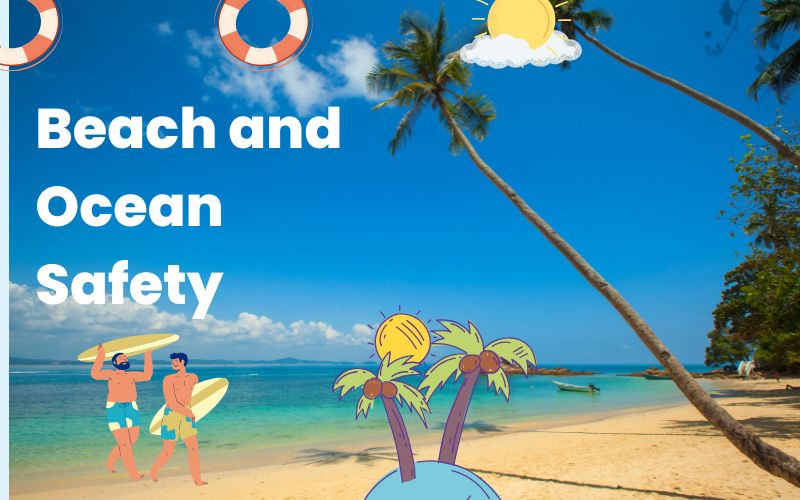
Swim Between the Flags
This one is non-negotiable. Patrolled beaches in Australia are marked with red and yellow flags, and you should always swim between them. Surf Life Saving Australia patrols these areas, and lifeguards are trained to spot rip currents and respond to emergencies fast.
Rip currents are the leading cause of coastal drownings in Australia. They are strong, narrow channels of water that pull swimmers out to sea, and they can be almost invisible to the untrained eye. If you are caught in a rip, do not panic and do not try to swim directly back to shore. Float or swim parallel to the beach until you are out of the current, then make your way in.
Never swim alone, especially at unpatrolled beaches. Many travellers have lost their lives doing exactly this.
Road Safety for Travellers
If you are planning a road trip and Australia is made for them there are some important safety considerations specific to this country.
Driving on the Left and Long Distances
Australia drives on the left side of the road, which can take some adjustment if you are visiting from North America or continental Europe. Take it slowly at first, particularly at roundabouts and intersections.
Long distances between towns are one of the most significant road hazards for tourists. It is easy to underestimate how far apart things are here. The drive from Sydney to Melbourne alone takes around nine hours. Outback roads can stretch hundreds of kilometres without a petrol station or mobile phone signal. Always carry extra fuel, water, and food when driving in remote areas, and let someone know your planned route and expected arrival time.
Watch out for kangaroos on the road, especially at dawn and dusk. They are unpredictable and a collision at highway speeds can be fatal.
Health and Medical Preparedness
One of the most practical travel safety tips for tourists visiting Australia is to make sure your health and insurance are sorted well before you depart.
Australia has an excellent public healthcare system, but as a tourist you will generally need to pay for medical treatment unless your home country has a reciprocal healthcare agreement with Australia. Countries including the UK, New Zealand, and several European nations do have such arrangements, so it is worth checking. Regardless, comprehensive travel insurance that covers medical emergencies, evacuation, and trip cancellation is strongly recommended.
Pack any prescription medications in their original packaging and carry enough supply for your entire trip plus a few extra days. Some medications that are available over the counter in other countries may require a prescription in Australia, so check in advance.
General Safety and Personal Security
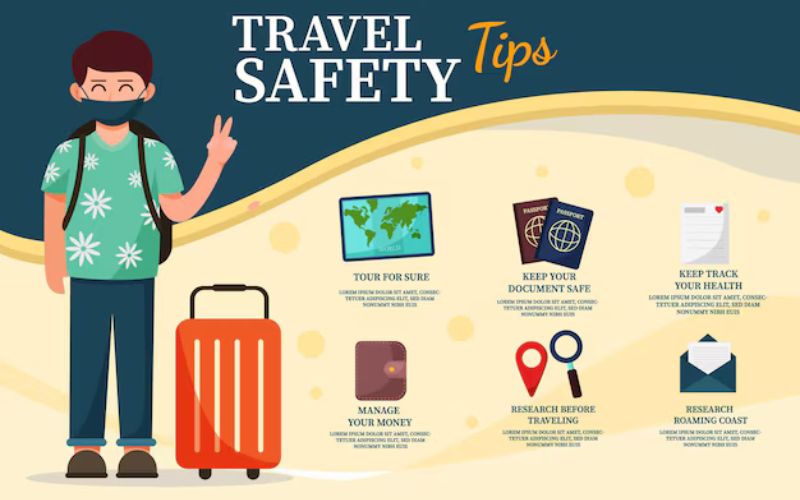
Personal Safety & Valuables
- Stay Vigilant: While Australia is generally very safe, use common sense to avoid petty crime.
- Secure Belongings: Keep your valuables (phones, wallets, passports) secure and never leave bags unattended in public areas.
- Nighttime Awareness: Be extra mindful of your surroundings at night, especially in busy entertainment districts where alcohol is prevalent.
- Safe Transport: Stick to licensed taxis or official rideshare apps (like Uber or DiDi) instead of accepting rides from strangers.
Indigenous Cultural Respect
- Observe Restrictions: Always respect local rules when visiting Indigenous cultural sites or sacred land.
- Photo & Access Etiquette: Do not climb or photograph areas clearly marked as off-limits or sacred.
- Show Sensitivity: Small efforts to understand and follow local protocols go a long way in showing respect to the Traditional Owners of the land.
Emergency Information
- Emergency Number: Dial 000 for all life-threatening emergencies.
- Services: This single number connects you to the Police, Fire, and Ambulance services nationwide.
- Mobile Alternative: You can also dial 112 (the international emergency standard) from any mobile phone to reach the same operators.
Frequently Asked Questions
Is Australia safe for solo travellers?
Yes, Australia is generally very safe for solo travellers, including solo women. The major cities are well-policed and tourist-friendly. As with any destination, it pays to stay aware of your surroundings and make sensible decisions, particularly at night.
What vaccinations do I need before visiting Australia?
Australia does not require any specific vaccinations for entry (unless you are arriving from a yellow fever-risk country). However, it is always a good idea to be up to date on routine vaccines and to consult your doctor or a travel health clinic a few weeks before departure.
Is tap water safe to drink in Australia?
Yes, tap water is safe to drink across Australia, including in regional areas. In very remote outback locations, it is worth checking locally.
When is the safest time to visit Australia?
This depends on where you are going. The southern states like New South Wales and Victoria are best visited from September to November or March to May. Northern regions, including Queensland and the NT, are best in the dry season from May to October to avoid cyclone season and extreme humidity.
What should I do if I see a dangerous animal?
Stay calm, keep your distance, and do not make sudden movements. Never attempt to touch, feed, or engage with wild animals. If you are in a high-risk area like the tropics, always follow local signage and ask locals for advice before swimming or walking near water.
Conclusion
Australia is an extraordinary place to explore, and the overwhelming majority of tourists have a safe and unforgettable trip. A little preparation goes a long way. Know where you are going, respect the environment, take the sun seriously, and always follow the advice of local experts.If you found these travel safety tips for tourists visiting Australia helpful, explore more travel guides, destination insights, and practical travel advice at MindScribes. Whether you are planning your first big adventure or looking to travel smarter, MindScribes has the content to help you do it with confidence.