The debate around active lifestyle vs sedentary lifestyle has become more relevant than ever. Modern routines dominated by screens, desk jobs, and convenience have slowly shifted daily movement out of our lives. At the same time, growing research continues to confirm that how active or inactive we are plays a defining role in long-term health, mental well-being, and overall quality of life.
Understanding the difference between these two lifestyles is not about becoming an athlete overnight. It is about recognizing everyday habits, their cumulative impact, and the small but powerful changes that can transform health outcomes over time.
What Is an Active Lifestyle?
An active lifestyle refers to a way of living that includes regular physical movement throughout the day. This does not mean intense gym sessions only. Walking, household chores, stretching, cycling, gardening, or climbing stairs all contribute to an active routine.
People who maintain an active lifestyle naturally integrate movement into daily tasks rather than limiting exercise to a single hour. Research consistently links this lifestyle to improved cardiovascular health, better weight management, stronger muscles and bones, and reduced risk of chronic illnesses.
In the context of active lifestyle vs sedentary lifestyle, activity is not defined by perfection but by consistency and intention.
What Is a Sedentary Lifestyle?

A sedentary lifestyle involves prolonged periods of sitting or minimal physical movement. Office work, long commutes, binge-watching, and excessive screen time are common contributors. Many people meet daily work obligations without realizing how little their bodies move from morning to night.
The danger of a sedentary lifestyle lies in its subtlety. The body adapts to inactivity, slowing metabolism, weakening muscles, and increasing inflammation. Over time, this inactivity significantly raises the risk of obesity, type 2 diabetes, cardiovascular disease, and musculoskeletal problems.
When comparing active lifestyle vs sedentary lifestyle, inactivity often develops unintentionally, making awareness the first step toward change.
Active Lifestyle vs Sedentary Lifestyle: Key Differences
The contrast between an active lifestyle vs sedentary lifestyle becomes clear when observing long-term effects rather than daily effort.
Physical Health Impact
An active lifestyle supports heart health, regulates blood sugar levels, and maintains muscle mass. Regular movement improves circulation and oxygen delivery throughout the body. In contrast, a sedentary lifestyle contributes to poor posture, joint stiffness, muscle loss, and increased fat accumulation.
Mental and Emotional Well-Being
Movement directly influences mental health. Active individuals often experience lower stress levels, improved mood, and better sleep quality. Physical activity stimulates endorphins, which naturally elevate mood. A sedentary lifestyle, however, is associated with higher rates of anxiety, low energy, and depressive symptoms.
Energy and Productivity Levels
People living an active lifestyle tend to feel more energized throughout the day. Regular movement enhances focus and cognitive performance. On the other hand, prolonged inactivity often leads to fatigue, sluggishness, and mental fog, even without physical exertion.
Long-Term Health Risks of a Sedentary Lifestyle
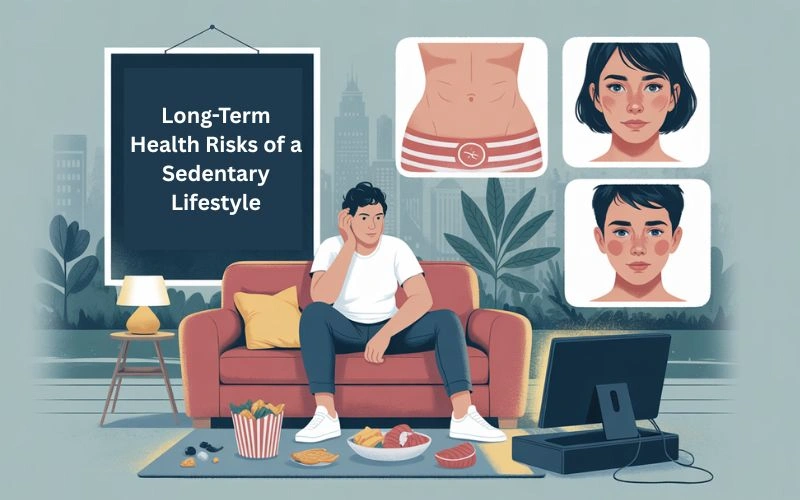
One of the most critical aspects of the active lifestyle vs sedentary lifestyle discussion is long-term risk. Studies show that extended sitting increases mortality risk, even among individuals who exercise occasionally.
Sedentary behavior slows calorie burning, weakens insulin sensitivity, and increases inflammation markers in the body. Over years, this combination contributes to heart disease, metabolic disorders, and reduced life expectancy. These risks are not limited to older adults; young professionals and students are increasingly affected.
Why an Active Lifestyle Is Sustainable, Not Extreme
Many people avoid transitioning to an active lifestyle because they associate it with strict routines or intense workouts. In reality, sustainability comes from simplicity.
Choosing stairs over elevators, walking during phone calls, standing breaks during work, and short daily movement sessions create meaningful change. Compared to the rigid mindset often associated with fitness, an active lifestyle adapts easily to individual routines and limitations.
This flexibility is what makes the active lifestyle side of active lifestyle vs sedentary lifestyle more achievable than most people assume.
How to Transition from Sedentary to Active Living
Moving away from a sedentary lifestyle does not require drastic changes. The most effective transitions are gradual and realistic.
Start by tracking how long you sit each day. Introduce short movement breaks every 30–60 minutes. Replace passive leisure with light activity, such as walking instead of scrolling. Over time, these habits compound, shifting your identity from sedentary to active without burnout.
The goal is progress, not instant transformation.
The Role of Consistency in Lifestyle Choice

Consistency outweighs intensity when evaluating active lifestyle vs sedentary lifestyle outcomes. Ten minutes of movement daily is more beneficial than one intense session followed by days of inactivity.
Bodies respond to patterns. An active lifestyle signals the body to remain strong, mobile, and efficient. A sedentary lifestyle sends the opposite message, encouraging conservation and decline. Choosing consistency ensures long-term benefits rather than short-lived motivation.
FAQs
Is an active lifestyle only for young people?
No. An active lifestyle benefits all age groups. Movement can be adapted to individual fitness levels, making it safe and effective for older adults as well.
Can exercise offset a sedentary lifestyle?
Exercise helps, but prolonged sitting still carries health risks. Reducing sedentary time alongside regular movement provides the best protection.
How much activity is enough to avoid a sedentary lifestyle?
Even light activity spread throughout the day reduces risk. The focus should be frequent movement, not just workout duration.
Does an active lifestyle require gym membership?
No. Daily movement, walking, stretching, and functional activities are sufficient to maintain an active lifestyle.
Why is sedentary behavior increasing globally?
Technology, desk-based jobs, and convenience-driven habits have reduced natural movement in daily routines.
Conclusion: Choosing the Healthier Path
The comparison of active lifestyle vs sedentary lifestyle ultimately comes down to daily choices rather than extreme commitments. An active lifestyle supports physical health, mental clarity, and long-term vitality, while a sedentary lifestyle quietly increases health risks over time.
The good news is that change is always possible. Small, consistent actions can reverse years of inactivity and restore balance to the body and mind.
If you’re ready to explore more practical, research-backed insights on health, lifestyle, and personal growth, visit MindScribes and start building habits that support a healthier, more active life.