
Inflammation is the body’s natural defense mechanism, stepping in to protect you against injury and infection. But when inflammation lingers and becomes chronic, it can quietly fuel serious health issues like arthritis, heart disease, diabetes, and autoimmune conditions. The good news is that food can play a powerful role in turning this around. That is exactly where an anti-inflammatory diet plan for beginners comes in, offering a practical, natural approach to improving health and reducing inflammation through everyday meals.
What Is an Anti-Inflammatory Diet?
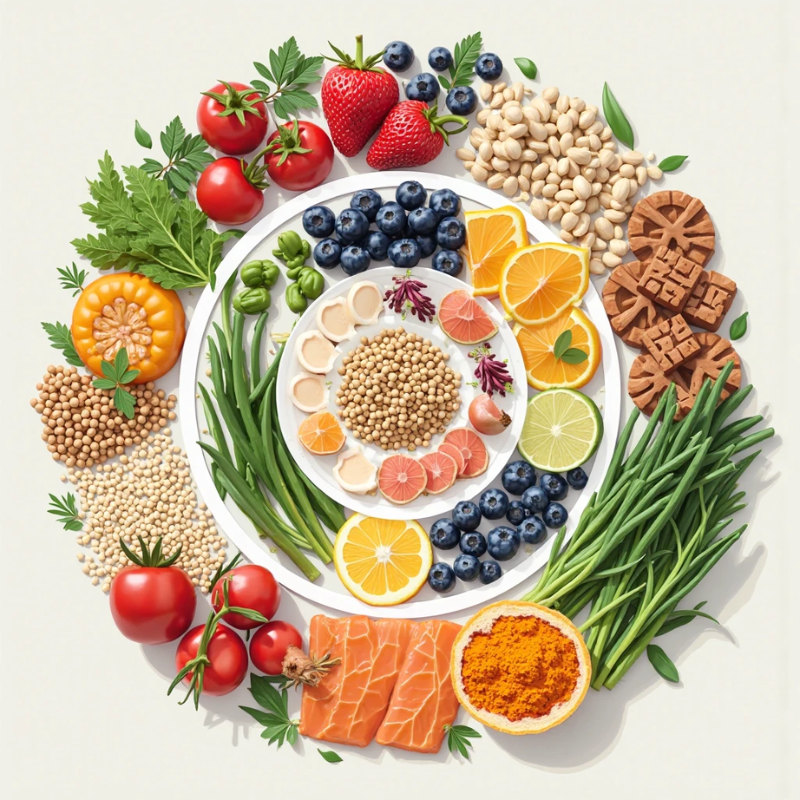
Before diving into meal plans and food lists, it helps to understand what this way of eating actually means. An anti-inflammatory diet focuses on whole, nutrient-rich foods that naturally reduce inflammation in the body. It eliminates or minimizes processed foods, sugar, trans fats, and other pro-inflammatory ingredients. Instead, it emphasizes fruits, vegetables, whole grains, healthy fats, lean proteins, and healing herbs and spices.
For anyone just getting started with eating clean without overspending, an anti-inflammatory diet plan for beginners can be an effective way to boost energy, improve digestion, reduce pain, and support long-term wellness without relying on medication.
Benefits of an Anti-Inflammatory Diet
Adopting an anti-inflammatory lifestyle does not just help with one specific issue, it supports your overall well-being from multiple directions. Here are some of the key benefits you can expect:
- Reduces chronic pain and joint stiffness
- Promotes a healthy gut microbiome
- Boosts energy and supports sharper mental clarity
- Improves skin health
- Lowers the risk of heart disease and type 2 diabetes
- Supports weight management
When paired with better sleep habits, regular exercise, and immune-supporting nutrition, an anti-inflammatory diet plan for beginners can help you feel noticeably better within a few weeks.
What to Eat on an Anti-Inflammatory Diet
The foundation of any anti-inflammatory diet is clean, whole foods that nourish your body and keep inflammation in check. Below are the core food groups worth building your plate around.
Fruits and Vegetables
These should make up the largest portion of your plate. Packed with antioxidants, vitamins, and fiber, fruits and vegetables are the cornerstone of this diet.
- Top picks: Berries, leafy greens, bell peppers, broccoli, oranges, and sweet potatoes.
Whole Grains
Swapping refined grains for whole ones is one of the simplest changes you can make. Whole grains are rich in fiber, which aids digestion and supports a healthy gut.
- Best options: Quinoa, brown rice, oats, bulgur, and barley.
Healthy Fats
Not all fats are bad, and some are actually essential to fighting inflammation. Omega-3 fatty acids found in certain foods help reduce inflammation significantly.
- Sources: Fatty fish (salmon, mackerel), flaxseeds, walnuts, and olive oil.
Lean Proteins
Protein is still essential on this diet, it just needs to come from the right sources. These options help repair tissues and support immunity without triggering inflammation.
- Choose: Skinless poultry, legumes, tofu, lentils, and fatty fish.
Herbs and Spices
Flavor does not have to come at the cost of health. Many natural spices have anti-inflammatory properties and can add flavor without added salt or sugar.
- Use more of: Turmeric, ginger, garlic, cinnamon, and black pepper.
What to Avoid on an Anti-Inflammatory Diet
Just as important as what you add to your plate is what you take off it. Certain foods are known to trigger or worsen inflammation and should be limited or avoided completely:
- Refined carbohydrates: White bread, pastries, and processed snacks
- Sugary drinks and desserts: Soda, candy, and baked goods
- Trans fats: Found in many packaged foods and fried items
- Excessive alcohol and red meat
- Highly processed and artificial foods
Minimizing these foods while following an anti-inflammatory diet plan for beginners can drastically improve your symptoms and overall health.
Sample 1-Day Anti-Inflammatory Meal Plan
Seeing how these foods fit together over the course of a day makes it much easier to get started. Here is a beginner-friendly meal plan to try:
- Breakfast: Oatmeal topped with blueberries, chia seeds, and a touch of cinnamon
- Lunch: Grilled salmon with quinoa salad, spinach, cherry tomatoes, and olive oil dressing
- Snack: A handful of walnuts and a cup of green tea
- Dinner: Stir-fried vegetables with tofu, brown rice, and turmeric-seasoned sauce
- Dessert (optional): A piece of dark chocolate or a few slices of fresh mango
This simple structure offers variety, taste, and all the nutrients needed for a balanced anti-inflammatory diet plan for beginners.
Tips for Success on an Anti-Inflammatory Diet
Transitioning to a new way of eating can feel overwhelming at first, but a few simple habits make it far easier to stick with:
- Start slow: Gradually replace inflammatory foods with healthier options.
- Meal prep: Planning and prepping meals ahead of time prevents impulsive choices.
- Read labels: Look for hidden sugars, hydrogenated oils, and additives.
- Stay hydrated: Water helps flush toxins and supports digestion.
- Listen to your body: Track how you feel after meals to identify what works best for you.
FAQs About the Anti-Inflammatory Diet
Here are answers to a few common questions people ask before starting this way of eating.
1. How long does it take to see results on an anti-inflammatory diet?
Most people start feeling more energetic and experience reduced pain or bloating within 1 to 2 weeks. Long-term benefits develop with consistency.
2. Is this diet suitable for people with food allergies?
Yes, it can be easily customized. For example, if you are allergic to nuts or fish, there are plenty of plant-based alternatives that still offer anti-inflammatory benefits.
3. Can kids or elderly people follow this diet?
Absolutely. The foods in an anti-inflammatory diet plan for beginners are safe and beneficial for people of all ages, as long as it meets individual nutritional needs.
4. Will I lose weight on this diet?
Weight loss can happen naturally due to reduced inflammation, improved digestion, and healthier eating habits, though it is not the primary focus. If shedding pounds is a specific goal, pairing meals with a simple home workout routine can speed up results.
5. Do I need supplements?
Not necessarily. Whole foods should be your main source of nutrients. However, supplements like omega-3s or turmeric may be helpful under medical guidance.
Conclusion
An anti-inflammatory diet plan for beginners is more than a trend, it is a sustainable, science-backed approach to improving your health from the inside out. By choosing foods that nourish your body and eliminating those that cause harm, you are giving yourself the best chance at long-term vitality and disease prevention.
If you are ready to start your journey toward a healthier lifestyle, visit MindScribes for expert wellness guides, personalized diet tips, and tools that empower you to take control of your health naturally.



Awesome blog.
Great info.