Vegetarian food has evolved far beyond simple side dishes. Today, vegetarian recipes are celebrated for their nutrition, taste, and versatility. Whether you follow a vegetarian lifestyle or simply want to eat lighter, plant-based meals offer endless possibilities for everyday cooking.
From comforting lentil dishes to vibrant vegetable stir-fries and protein-rich grain bowls, vegetarian meals can be satisfying, affordable, and deeply nourishing when prepared thoughtfully.
Why Vegetarian Recipes Are Ideal for Everyday Meals
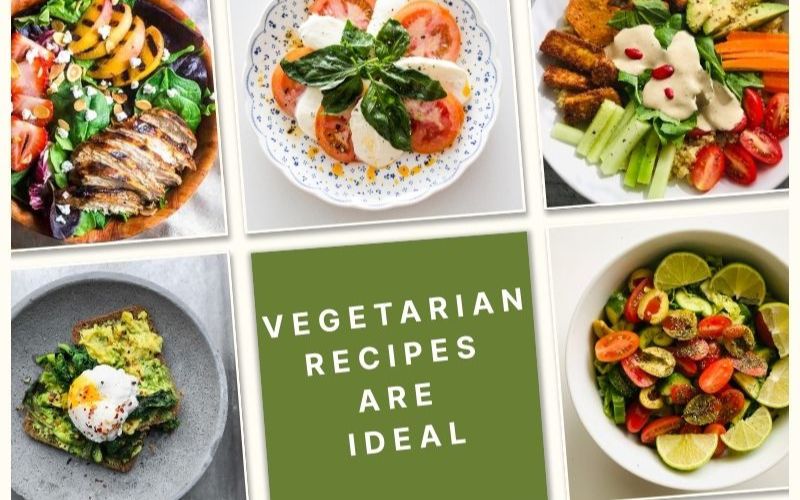
One of the biggest strengths of vegetarian cooking is balance. Plant-based meals are naturally rich in fiber, vitamins, minerals, and antioxidants. When planned well, vegetarian recipes support digestion, heart health, energy levels, and long-term wellness.
Many people also choose vegetarian meals to reduce environmental impact, manage weight, or improve overall lifestyle quality. The flexibility of vegetarian cooking makes it easy to adapt to different cultures, tastes, and budgets.
Essential Ingredients Used in Vegetarian Recipes
Fresh vegetables, whole grains, legumes, herbs, spices, healthy oils, and plant-based proteins form the foundation of nutritious and flavorful vegetarian recipes.
Plant-Based Protein Sources
Protein is a key concern for many people exploring vegetarian food. Fortunately, nature provides many reliable options:
- Lentils and beans
- Chickpeas and peas
- Tofu and paneer
- Nuts and seeds
Combining legumes with grains helps create complete, satisfying meals without relying on meat.
Vegetables as the Foundation of Flavor
Vegetables are the heart of all good vegetarian recipes. Onions, tomatoes, spinach, carrots, bell peppers, cauliflower, zucchini, and seasonal greens create depth, color, and nutrition.
Cooking techniques like roasting, sautéing, and slow cooking help enhance natural flavors instead of masking them.
Whole Grains and Healthy Carbohydrates
Rice, whole wheat roti, quinoa, oats, and millets provide energy and structure to vegetarian meals. When paired with vegetables and proteins, they create filling and balanced dishes suitable for daily consumption.
Popular Types of Vegetarian Recipes
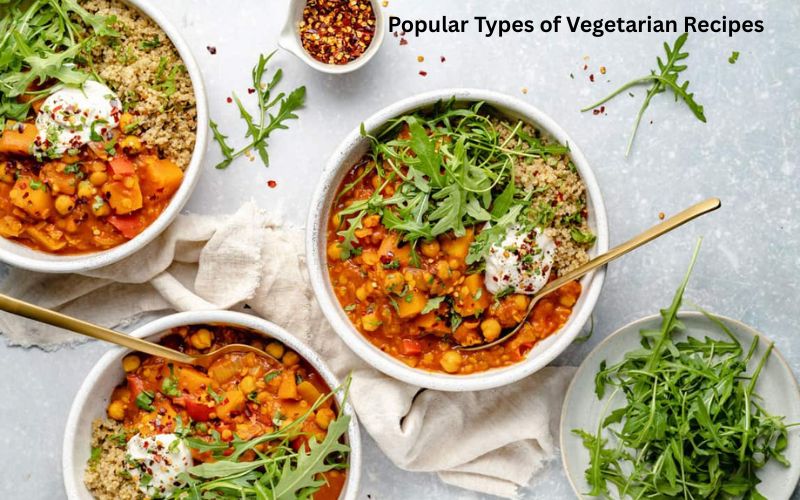
From quick stir-fries and hearty curries to fresh salads and comfort bakes, vegetarian recipes offer endless variety for every taste and occasion.
Simple Home-Style Vegetarian Meals
Comfort foods remain the backbone of vegetarian cooking. Lentil curries, vegetable pulao, mixed vegetable sabzi, and soups are staples in many households.
These meals are easy to digest, budget-friendly, and ideal for routine lunches and dinners.
Quick Vegetarian Recipes for Busy Days
Not every meal needs hours in the kitchen. Many vegetarian recipes are perfect for fast-paced lifestyles:
- Vegetable stir-fries
- Chickpea salads
- One-pot rice dishes
- Paneer or tofu wraps
These meals are quick, nutritious, and easy to prepare with minimal ingredients.
Healthy Vegetarian Recipes for Weight Balance
Vegetarian meals can support weight management when cooked mindfully. Using less oil, prioritizing vegetables, and including protein helps maintain fullness without excess calories.
Soups, grilled vegetables, lentil bowls, and lightly spiced curries work especially well for lighter eating.
Cooking Techniques That Improve Vegetarian Dishes
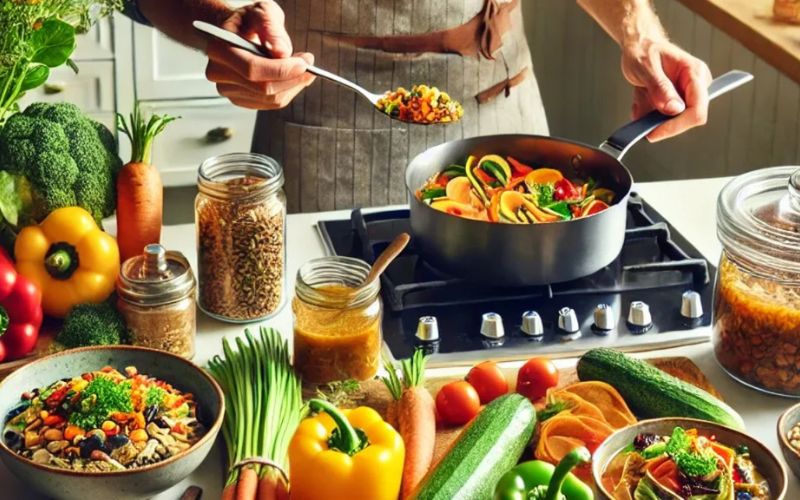
Simple cooking techniques that enhance flavor, texture, and nutrition in everyday vegetarian dishes.
Layering Flavors Instead of Over-Spicing
Great vegetarian cooking depends on timing. Cooking onions slowly, adding spices at the right moment, and finishing with fresh herbs enhances taste without overwhelming ingredients.
This approach makes vegetarian recipes more enjoyable and digestible.
Balancing Texture and Nutrition
A satisfying meal includes different textures. Soft lentils, crunchy vegetables, and chewy grains create contrast that keeps meals interesting and fulfilling.
Texture balance also improves satiety and overall eating experience.
Common Mistakes to Avoid in Vegetarian Cooking
Many beginners struggle with vegetarian food due to a few common errors:
- Overcooking vegetables
- Relying too much on fried foods
- Ignoring protein balance
- Using too many spices together
Keeping recipes simple and ingredient-focused leads to better results.
Vegetarian Recipes for Different Lifestyles
Wholesome vegetarian recipes tailored to busy schedules, fitness goals, and mindful living.
Family-Friendly Vegetarian Cooking
Vegetarian meals like vegetable curries, pasta with tomato sauce, stuffed parathas, and rice dishes are easy to adapt for children and adults alike.
Vegetarian Meals for Professionals
Meal-prep-friendly dishes such as lentil stews, roasted vegetables, and grain bowls save time during the week while maintaining nutrition and flavor.
Vegetarian Eating for Beginners
Newcomers should start with familiar flavors and gradually explore new ingredients. Simple swaps, such as replacing meat with lentils or beans, make the transition smooth and sustainable.
Nutritional Balance in Vegetarian Recipes
A balanced vegetarian plate typically includes:
- Protein from legumes or dairy
- Carbohydrates from grains
- Healthy fats from oils, nuts, or seeds
- Fiber and micronutrients from vegetables
This combination ensures long-term energy and wellness.
Frequently Asked Questions (FAQs)
Are vegetarian recipes suitable for daily meals?
Yes, well-balanced vegetarian recipes provide essential nutrients, support digestion, and can be safely enjoyed daily when they include proteins, whole grains, vegetables, and healthy fats.
Can vegetarian recipes provide enough protein?
Vegetarian recipes can meet protein needs using lentils, beans, tofu, paneer, dairy, nuts, seeds, and whole grains when meals are planned with variety and balance.
Are vegetarian recipes good for weight loss?
Yes, high-fiber vegetarian recipes promote fullness, reduce calorie intake naturally, and support healthy weight management when cooked with minimal oil and balanced portions.
Do vegetarian recipes take more time to cook than meat dishes?
No, many vegetarian recipes are faster to prepare because they require less cooking time and simpler techniques compared to meat-based dishes.
Can vegetarian food be flavorful without heavy spices?
Absolutely. Fresh ingredients, proper cooking methods, and correct seasoning create rich, satisfying flavors without the need for excessive spices or heavy sauces.
Conclusion: Making Vegetarian Recipes Part of Everyday Life
Vegetarian recipes offer a practical, nourishing, and enjoyable way to cook for everyday living. With the right ingredients and simple techniques, plant-based meals can be comforting, flavorful, and nutritionally complete.
If you’re looking for thoughtful food, wellness, and lifestyle content that fits modern living, explore more at MindScribes—where mindful choices turn into meaningful habits.
Eating well doesn’t have to be complicated. Sometimes, simple vegetarian cooking is all you need.