Staying healthy today is no longer limited to gym memberships or clinic visits. With smartphones becoming part of daily life, the best health and wellness apps now play a powerful role in helping people manage fitness, mental health, nutrition, sleep, and overall lifestyle balance. In 2025, these apps are smarter, more personalized, and more user-friendly than ever before.
Whether you want to lose weight, reduce stress, sleep better, or simply build healthier habits, choosing the right wellness app can make consistency much easier.
What Are Health and Wellness Apps?
Health and wellness apps are mobile applications designed to support physical, mental, and emotional well-being. They help users track daily activity, follow workout plans, manage stress, monitor food intake, improve sleep quality, and build healthy routines.
Unlike medical apps, most wellness apps focus on prevention, motivation, and lifestyle improvement. They work best when used consistently alongside healthy real-world habits rather than as a replacement for professional medical advice.
Why Health and Wellness Apps Are Important in Daily Life

Modern lifestyles are busy and often stressful. Many people struggle to stay active, eat properly, or manage mental fatigue. This is where the best health and wellness apps become valuable tools.
These apps provide structure, reminders, and measurable progress. Features like daily goals, progress charts, and guided programs help users stay accountable. Over time, small daily actions supported by apps can lead to long-term improvements in health, focus, and energy levels.
Categories of the Best Health and Wellness Apps
Understanding app categories helps you choose the right solution based on your personal goals.
Fitness and Workout Apps
Fitness apps focus on physical activity through guided workouts, training plans, and exercise tracking. They are ideal for home workouts, gym training, yoga, stretching, and strength programs. Many offer beginner to advanced routines, making them suitable for all fitness levels.
Nutrition and Diet Tracking Apps
These apps help users monitor calories, track macronutrients, plan meals, and manage weight goals. They are especially useful for people aiming to lose weight, gain muscle, or maintain balanced nutrition. Some also include barcode scanners and local food databases.
Mental Health and Meditation Apps
Mental wellness apps focus on stress reduction, mindfulness, anxiety management, and emotional balance. Guided meditation, breathing exercises, and focus sessions help users improve mental clarity and sleep quality in a calm, non-overwhelming way.
Sleep and Recovery Apps
Sleep apps track sleep patterns and offer insights into sleep quality. Many include calming sounds, bedtime routines, and recovery tips. These apps are useful for people dealing with irregular sleep schedules or poor sleep habits.
Habit and Lifestyle Wellness Apps
Habit-building apps support daily routines like hydration reminders, step goals, posture correction, and digital detox habits. They work well for users who want gradual lifestyle improvements without intense programs.
Best Health and Wellness Apps on Google Play
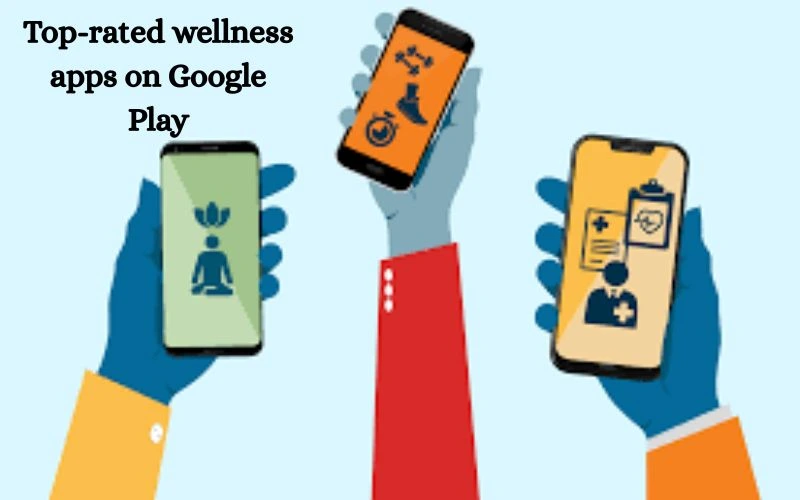
The Google Play Store organizes wellness apps in a way that helps users discover trusted and popular options.
Top Free Health and Wellness Apps
Top free apps are ideal for beginners who want to explore wellness without financial commitment. They usually include basic tracking, limited workout plans, or introductory meditation sessions. While free versions may include ads or restricted features, they still offer strong value for daily use.
Top Paid Health and Wellness Apps
Paid apps typically offer advanced personalization, detailed insights, ad-free experiences, and professional-level programs. These apps are suitable for users who want deeper guidance, long-term plans, or specialized support such as coaching or premium content.
Top Grossing Health and Wellness Apps
Top grossing apps are those that users consistently invest in. Their popularity often reflects trust, strong performance, and long-term usefulness. These apps usually balance usability with powerful features and regular updates.
How to Choose the Best Health and Wellness App for You
Choosing the best app depends on your personal needs rather than popularity alone. Start by identifying your primary goal: fitness, mental health, nutrition, or habit building. Look for apps with clear interfaces, positive user reviews, and transparent privacy policies.
Free trials are useful for testing usability before committing to paid plans. Avoid apps that promise unrealistic results or replace medical advice with exaggerated claims.
Are Health and Wellness Apps Safe to Use?
Most reputable wellness apps are safe when used responsibly. However, data privacy is an important consideration. Always review app permissions, data storage policies, and user reviews before downloading.
Health and wellness apps should support healthy behavior, not create pressure or anxiety. If an app causes stress or unhealthy obsession, it may not be the right fit. For medical conditions, professional consultation remains essential.
Pros and Cons of Using Health and Wellness Apps
One of the biggest advantages of wellness apps is convenience. They offer motivation, structure, and measurable progress anytime and anywhere. They also help users stay consistent without needing external supervision.
However, over-reliance on apps can reduce self-awareness. Apps work best as supportive tools rather than strict controllers of daily life.
FAQs – Best Health and Wellness Apps
Which are the best health and wellness apps for beginners?
Beginners should start with simple apps that focus on one goal, such as basic fitness tracking or guided meditation. Apps with clean interfaces and gradual progress systems are easier to maintain long term.
Are free health and wellness apps reliable?
Yes, many free apps are reliable for basic tracking and habit building. However, advanced features, personalization, and ad-free experiences are usually available in paid versions.
Can health and wellness apps replace doctors or trainers?
No. These apps support healthy habits but cannot replace professional medical advice, diagnosis, or personalized clinical care.
Which wellness apps are best for mental health?
Mental wellness apps that focus on mindfulness, breathing exercises, and guided relaxation are helpful for stress management and emotional balance when used consistently.
How often should I use health and wellness apps?
Daily short sessions are more effective than irregular long usage. Consistency matters more than intensity for long-term wellness improvement.
Final Thoughts on the Best Health and Wellness Apps
The best health and wellness apps in 2025 are not about perfection, they are about progress. When used correctly, they help people stay aware, motivated, and consistent with healthier choices. Choose apps that align with your lifestyle, respect your data, and support sustainable habits. Small daily steps, guided by the right tools, can lead to meaningful long-term wellness improvements.
Explore expert insights beyond the best health and wellness apps visit Mindscribes for practical guides and trusted wellness content to support your healthy lifestyle journey.