Men’s health and wellness is a critical yet often overlooked aspect of overall well-being. Many men delay doctor visits, ignore early symptoms, or underestimate the value of preventive care. This men’s health and wellness guide is designed to help men of all ages understand how proactive healthcare, healthy lifestyle choices, and regular screenings can lead to a longer, healthier, and more productive life. By focusing on prevention rather than treatment, men can significantly reduce their risk of chronic disease and improve their quality of life.
Preventive Health Guidelines for Men 18 – 40
Early adulthood is the foundation stage for long-term health. Men between 18 and 40 should focus on building strong habits that support physical and mental wellness. Annual physical exams help track blood pressure, weight, and overall fitness levels. Cholesterol checks and basic blood tests are recommended, especially if there is a family history of heart disease or diabetes.
Mental health is equally important during this phase. Stress from work, studies, or relationships can affect emotional well-being, so recognizing anxiety or depression early is essential. Sexual health screenings, including STD testing, should be done regularly based on lifestyle and risk factors. A balanced diet, regular exercise, quality sleep, and avoiding smoking or excessive alcohol use play a major role in maintaining optimal health at this age.
Preventive Health Guidelines for Men 40 – 50
As men enter their 40s, the body begins to show signs of aging, and the risk of chronic conditions increases. Heart health becomes a top priority, making regular blood pressure, cholesterol, and blood sugar testing essential. Many men experience weight gain and slower metabolism, so dietary awareness and consistent physical activity are crucial.
Stress management is particularly important, as work pressure and family responsibilities often peak during this stage. Men should also begin discussions with healthcare providers about early screening for conditions such as diabetes and cardiovascular disease. Identifying potential health issues early can prevent serious complications later in life.
Preventive Health Guidelines for Men 50 – 65

Men aged 50 to 65 should focus heavily on preventive screenings and long-term disease prevention. Prostate health becomes a key concern, and doctors may recommend prostate-specific antigen testing based on individual risk factors. Colon cancer screening is also advised during this stage, as early detection significantly improves outcomes.
Bone health, vision, and hearing should not be ignored. Many men experience joint stiffness or reduced mobility, making strength training and flexibility exercises beneficial. Maintaining an active lifestyle, eating nutrient-rich foods, and staying socially engaged all contribute to better physical and mental health during this period.
Preventive Health Guidelines for Men Over 65
After 65, healthcare priorities shift toward maintaining independence and quality of life. Regular monitoring of chronic conditions such as heart disease, diabetes, or arthritis is essential. Cognitive health also becomes important, as early detection of memory issues can lead to better management strategies.
Fall prevention, balance training, and vaccinations play a significant role in protecting older men from serious health complications. Routine checkups, medication reviews, and lifestyle adjustments help ensure continued mobility, mental sharpness, and emotional well-being.
Top 10 Threats to Men’s Health
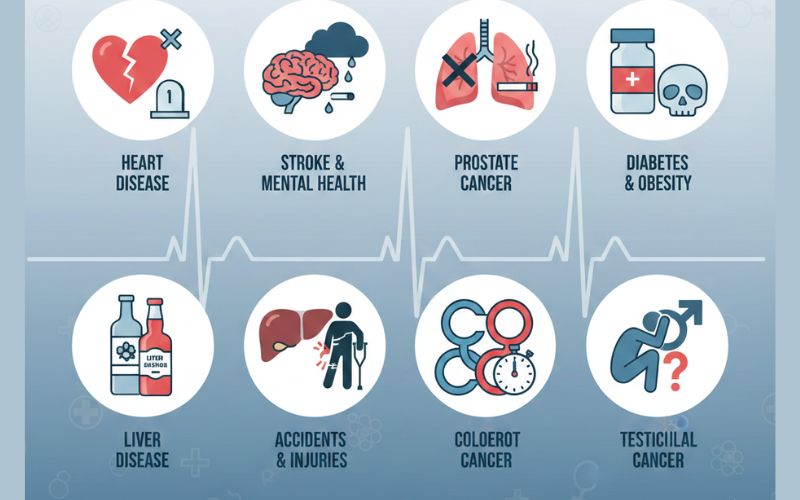
Heart disease remains the leading health threat for men, often linked to poor diet, inactivity, and stress. Cancer, particularly prostate and lung cancer, is another major concern. Diabetes continues to rise due to sedentary lifestyles and unhealthy eating habits. High blood pressure often goes unnoticed but increases the risk of heart attack and stroke.
Obesity contributes to multiple health problems, including joint issues and metabolic disorders. Mental health conditions such as depression and anxiety are frequently underdiagnosed in men. Substance abuse, smoking, and excessive alcohol use further increase health risks. Poor nutrition and physical inactivity complete the list of top threats that can be reduced through preventive care and lifestyle changes.
Live Well, Stay Well: Daily Wellness Tips for Men
Daily habits strongly influence long-term health outcomes. Eating a balanced diet rich in fruits, vegetables, lean protein, and whole grains supports heart and metabolic health. Regular physical activity, including both cardio and strength training, helps maintain muscle mass and energy levels.
Sleep is often underestimated, yet quality rest supports mental clarity, hormone balance, and immune function. Managing stress through relaxation techniques, hobbies, or mindfulness practices improves emotional health. Regular doctor visits, even when feeling well, ensure early detection and timely treatment of potential issues.
Mental Health and Emotional Well-Being in Men
Mental health is a vital component of any men’s health and wellness guide. Social expectations often discourage men from expressing emotional struggles, leading to untreated anxiety or depression. Recognizing warning signs such as persistent sadness, irritability, or loss of interest in daily activities is essential.
Seeking professional help should be viewed as a strength, not a weakness. Counseling, lifestyle changes, and social support can significantly improve mental well-being. Open conversations about mental health help break stigma and encourage healthier coping strategies.
Importance of Regular Health Screenings
Regular health screenings are one of the most effective tools for disease prevention. They help detect conditions before symptoms appear, allowing for early intervention. Preventive care reduces healthcare costs in the long run and improves life expectancy.
Men who prioritize routine checkups are more likely to manage health risks successfully. Screenings tailored to age and personal risk factors form the backbone of proactive healthcare and long-term wellness.
Frequently Asked Questions
What is a men’s health and wellness guide?
It is a comprehensive resource that helps men understand preventive care, lifestyle choices, and health screenings for better well-being.
How often should men see a doctor?
Most men should have an annual checkup, even if they feel healthy.
What lifestyle changes improve men’s health the most?
Regular exercise, balanced nutrition, stress management, and quality sleep have the greatest impact.
At what age should men start health screenings?
Basic screenings begin in early adulthood, with more specialized tests recommended after age 40.
Conclusion
This men’s health and wellness guide highlights the importance of preventive care at every stage of life. By adopting healthy habits, staying informed, and scheduling regular medical checkups, men can significantly reduce health risks and improve overall quality of life. Proactive health management is not just about living longer, but about living better, stronger, and more confidently at every age.