Traveling through Ireland is about more than ticking landmarks off a list; it’s about understanding the rhythm of daily life, the unwritten rules, and the small details that make your trip smoother. These local travel tips in Ireland from frequent visitors are based on real experiences, mistakes made, and lessons learned after multiple visits across cities, villages, and countryside routes.
Whether it’s your first trip or your fifth, these insights help you travel like someone who’s been there before.
Understanding Irish Culture Before You Arrive
Ireland is warm, friendly, and conversational but it has its own pace and etiquette.
Frequent visitors quickly learn that politeness matters more than speed. Saying “please,” “thanks,” and exchanging a short chat with shopkeepers or drivers is expected, not optional. Locals may appear reserved at first, but friendliness opens doors everywhere.
Another key cultural tip is humility. Bragging, loud behavior, or comparing Ireland too heavily with other countries can be off-putting. Respect for history, local identity, and traditions goes a long way.Travelers who value cultural awareness often appreciate similar etiquette-focused guides, such as this discussion on travel agent tipping etiquette when navigating unfamiliar travel norms.
These cultural observations consistently appear in local travel tips in Ireland from frequent visitors, especially for first-timers.
Getting Around Ireland Like a Local
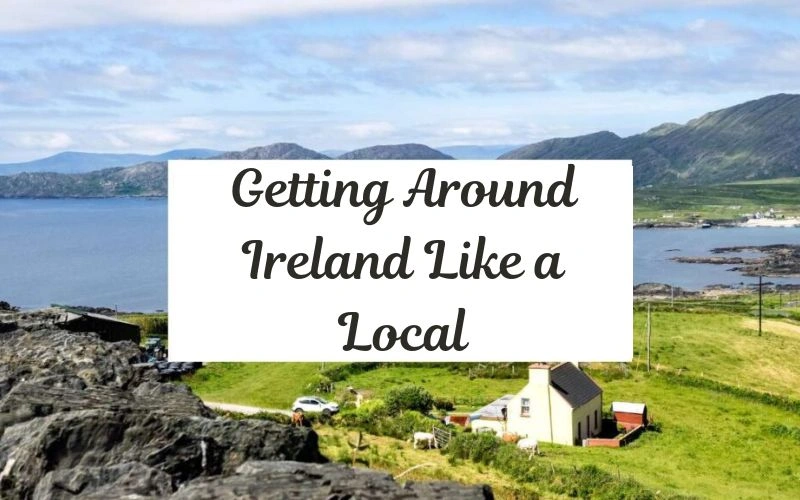
Explore Ireland efficiently by combining public transport in cities with car rentals for rural areas, giving you flexibility to experience both urban life and scenic countryside routes.
Public Transport vs Car Rental
If you’re staying in Dublin, Cork, or Galway, public transport works well. Buses, trams (LUAS), and trains cover most urban needs.
However, frequent visitors strongly recommend renting a car for rural Ireland. Scenic routes like the Ring of Kerry, Wild Atlantic Way, and Connemara are best explored independently. A deeper look at road conditions and long-distance routes is covered in this practical guide on driving across Ireland.
Driving Tips Visitors Learn the Hard Way
- Drive on the left
- Narrow roads are common—confidence comes slowly
- GPS is helpful, but offline maps are essential
- Distances look short on maps but take longer than expected
These practical realities often surprise tourists, which is why experienced travelers emphasize them in local travel tips in Ireland from frequent visitors.
Food, Pubs, and Local Dining Etiquette
Enjoy Ireland’s food scene by eating where locals gather, respecting pub customs, and understanding simple dining etiquette that turns meals into authentic cultural experiences.
Eat Where Locals Eat
Avoid restaurants with aggressive tourist menus or staff calling you in from the street. Frequent visitors rely on packed pubs, handwritten menus, and places recommended by locals.
Traditional dishes to try include:
- Irish stew
- Soda bread
- Seafood chowder
- Full Irish breakfast
Pub Culture Is Not Just About Drinking
Pubs are social centers. You can enjoy live music, conversation, and food without alcohol. Ordering at the bar is normal, and tipping is modest, usually rounding up or leaving 5–10% for table service. If you’re unsure how tipping expectations vary across destinations, this guide on when and how much to tip a travel agent offers a helpful perspective.
Understanding pub etiquette is one of the most practical local travel tips in Ireland from frequent visitors.
Weather Expectations and Packing Smart
Ireland’s weather changes fast. Frequent visitors stop checking forecasts and instead prepare for everything.
What to Pack
- Waterproof jacket (not umbrella)
- Comfortable walking shoes
- Light layers
- Small backpack for day trips
Rain is usually light and short, not constant. Locals continue their day regardless, and travelers who adapt enjoy Ireland far more. For a deeper breakdown of seasonal essentials, see these packing and weather tips for traveling to Ireland.
Best Time to Visit According to Repeat Travelers
Frequent visitors agree that May, June, and September offer the best balance of weather, crowds, and prices.
July and August are lively but busy, especially in coastal towns. Winter offers charm and lower costs but limited daylight and rural closures. Travelers interested in shoulder-season or winter travel insights may enjoy how similar planning applies in destinations like Iceland, as explained in Iceland travel tips for visiting in winter.
Timing your trip wisely is a recurring theme in local travel tips in Ireland from frequent visitors.
Hidden Gems Tourists Often Miss
Ireland’s magic often lies away from the headline attractions.
Frequent visitors recommend:
- Small villages like Dingle or Westport
- Coastal walks in Donegal
- Local festivals and markets
- Unplanned detours suggested by locals
Talking to locals at cafés or shops often leads to unforgettable discoveries—an approach that experienced travelers also apply when exploring complex destinations, as noted in this travel to China guide.
Money, Payments, and Practical Costs

Ireland is largely cashless, but small amounts of cash help in rural areas.
- Cards are widely accepted
- Contactless payments are common
- Budget for higher food and accommodation costs
Frequent visitors suggest booking accommodation early and avoiding peak weekends when possible.
Respecting History and Local Sensitivities
Ireland’s history is complex. Visitors who listen more than they speak build better connections.
Avoid jokes about politics, stereotypes, or historical conflicts unless invited into the conversation. Museums, memorials, and heritage sites deserve quiet respect. This sensitivity mirrors advice often shared for culturally rich destinations, such as what travelers should be mindful of in what to avoid while traveling in China.
This awareness consistently appears in local travel tips in Ireland from frequent visitors who value meaningful travel experiences.
FAQs
Is Ireland easy to navigate for first-time visitors?
Yes, Ireland is generally easy to navigate, especially in cities. Rural areas require more planning, but locals are helpful, and signage is clear once you adjust to driving conditions.
Do I need to tip in Ireland?
Tipping is appreciated but not mandatory. In restaurants with table service, 5–10% is polite. Tipping in pubs is not expected.
Is Ireland expensive for travelers?
Ireland can be moderately expensive, especially for accommodation and dining. Budget travelers manage well by booking early, using public transport, and eating where locals eat.
Can I visit Ireland without renting a car?
Yes, but your experience will be more limited. Frequent visitors recommend renting a car to explore rural landscapes and coastal routes freely.
How friendly are locals to tourists?
Irish locals are known for warmth and helpfulness, especially when visitors show respect, curiosity, and genuine interest in local life.
Conclusion
Traveling Ireland becomes richer when you move beyond guidebooks and learn from those who return again and again. These local travel tips in Ireland from frequent visitors highlight the value of patience, cultural respect, flexibility, and curiosity. If you enjoy travel insights shaped by real experiences rather than generic advice, explore more destination stories and thoughtful travel content at https://mindscribes.com/ and travel with confidence, awareness, and inspiration.