
Kheer is one of the most loved desserts in Pakistan, served at weddings, on Eid mornings, and after quiet family dinners. Slow-cooked rice, creamy milk, and fragrant cardamom come together in a bowl that tastes like home. This kheer recipe keeps the method traditional and the ingredient list short, so you can get a thick, aromatic pudding even on your first try.
Below you will find the exact quantities, a clear step-by-step method, practical fixes for common problems, healthier swaps, and answers to the questions home cooks ask most often.
What Is Kheer?
Before getting to the pot, it helps to know what makes this dessert special and where it sits in Pakistani food culture.
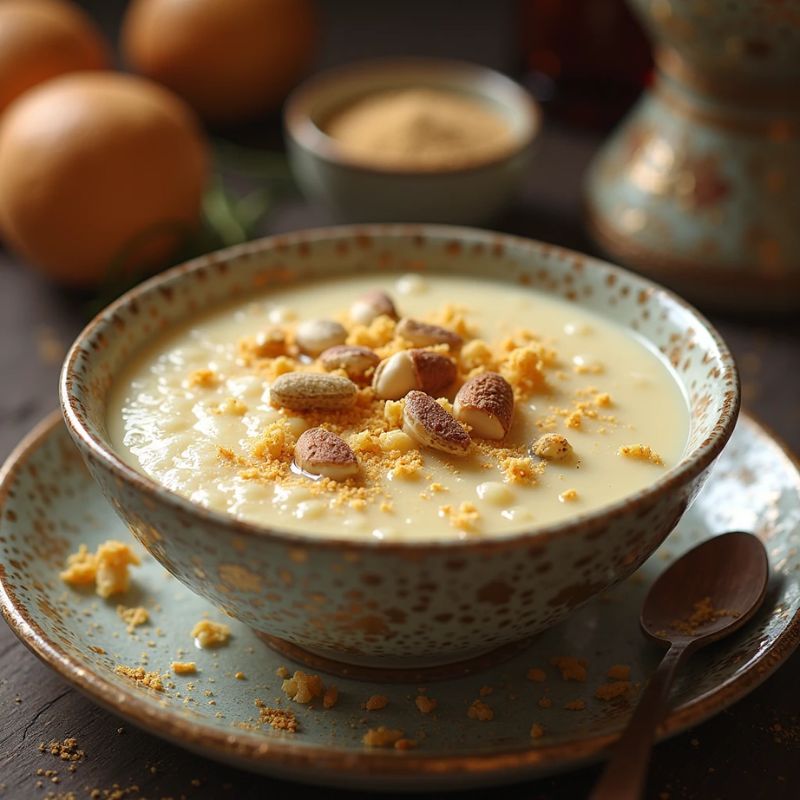
Kheer is a South Asian rice pudding made by simmering rice in milk until the grains turn soft and the liquid thickens into a creamy base. Cardamom gives it its signature aroma, sugar sweetens it, and a topping of almonds and pistachios adds crunch. In Pakistan it is a regular guest at celebrations, which is why it appears so often among traditional Pakistani dishes served to guests.
Families have their own habits. Some add saffron, some prefer a splash of kewra, and some chill it overnight. The foundation never changes: good milk, patient heat, and steady stirring.
Ingredients for Classic Kheer
This list makes about four to five servings, and everything on it is easy to find in a Pakistani pantry.
- 1 liter full-fat milk
- 1/4 cup basmati rice, rinsed and soaked for 30 minutes
- 1/3 cup sugar, adjusted to taste
- 3 to 4 green cardamom pods, lightly crushed
- 10 to 12 almonds, blanched and sliced
- 10 to 12 pistachios, chopped
- A few saffron strands (optional)
- 1 teaspoon rose water or kewra essence (optional)
- 1 teaspoon ghee (optional, for a richer finish)
Why Basmati Rice Works Best
The rice is the structure of the pudding, so it deserves a quick explanation. Basmati is long-grained and fragrant, and it breaks down gently into the milk instead of turning gluey. If you enjoy cooking with this grain, you will find plenty of savory and sweet rice dishes worth trying alongside this dessert.
How to Make Kheer Step by Step
The whole process takes about an hour, mostly unattended simmering, and each stage below builds on the one before it.
Step 1: Rinse and Soak the Rice
Everything starts with the rice, because soaking decides how quickly and evenly it softens. Rinse the basmati until the water runs fairly clear, then soak it in fresh water for at least 30 minutes and drain well.
Step 2: Bring the Milk to a Boil
Next comes the milk, which needs a sturdy pan and your attention. Pour it into a heavy-bottomed pot and heat it on medium until it boils, stirring often so nothing catches on the bottom. Lower the heat and let it simmer for 5 to 7 minutes.
Step 3: Cook the Rice in the Milk
With the milk ready, the rice can go in. Add the drained rice, keep the heat low, and stir every few minutes. Expect 30 to 40 minutes for the grains to turn soft and the milk to reduce into a creamy, spoon-coating texture. Pressing a few grains against the side of the pot with your spoon helps release starch and thickens the kheer naturally.
Step 4: Add Cardamom and Saffron
Once the base is thick, it is time to build the aroma. Stir in the crushed cardamom and the saffron strands, ideally steeped in a spoonful of warm milk first so the color spreads evenly.
Step 5: Sweeten at the Right Time
Sugar goes in near the end for a practical reason. Adding it too early can slow the softening of the rice, so wait until the grains are fully tender. Stir in the sugar and cook for another 8 to 10 minutes until it dissolves completely.
Step 6: Garnish and Rest
The finishing touches give kheer its festive look. Fold in half of the almonds and pistachios along with the rose water or kewra, and the ghee if you are using it. Switch off the heat, let the pot rest for 10 minutes, then top with the remaining nuts. Serve warm, or chill it for a few hours for a firmer set.
Expert Tips for Perfect Kheer
A few small habits separate an average pot of kheer from a memorable one.
- Use full-fat milk: It gives the creamiest body and the richest flavor.
- Keep the heat low: Slow cooking builds thickness and prevents scorching.
- Stir regularly: Scrape the bottom and corners so the milk solids do not stick.
- Judge thickness when warm: Kheer firms up as it cools, so stop cooking while it still looks slightly loose.
- Toast the nuts lightly: A minute in a dry pan deepens their flavor.
- Adjust sweetness last: Taste after the rice is cooked, then add sugar gradually.
Popular Variations of Kheer
Once you are comfortable with the classic method, the same base lets you experiment with different textures and flavors.
- Seviyan kheer: Thin vermicelli replaces rice, which makes it quicker and lighter.
- Sabudana kheer: Tapioca pearls create a soft, chewy texture.
- Carrot kheer: Grated carrot cooked into the milk adds natural sweetness and color.
- Coconut kheer: Coconut milk gives a tropical, dairy-light twist.
- Mango kheer: Chilled kheer topped with ripe mango cubes suits hot summer evenings.
If you like fruit-forward sweets, a fresh mango dessert idea pairs nicely with the chilled version. And for a different take on sweet rice, the saffron-yellow colorful sweet rice zarda is another festive favorite on Pakistani tables.
Nutritional Value of Kheer
Kheer is a dessert first, but its ingredients bring a few useful nutrients to the bowl.
- Calcium and protein from the milk
- Unsaturated fats from almonds and pistachios
- Carbohydrates for energy from the rice
It is still a sweet dish, so portion size matters. Reducing the sugar, choosing jaggery, or using slightly less rich milk can lighten it without losing the character of the recipe.
Healthier and Dietary Adjustments
With a few simple swaps, nearly everyone at the table can enjoy a bowl of kheer.
- Vegan kheer: Use coconut or almond milk and replace the ghee with coconut oil.
- Lower sugar: Use jaggery or a smaller amount of sugar and let cardamom and saffron carry the flavor.
- Gluten-free: Plain rice kheer is naturally gluten-free, though you should check any flavorings you add.
- Nut-free: Skip the almonds and pistachios and garnish with a pinch of cardamom or a little saffron.
Anyone planning plant-based meals around this dessert can use a vegan meal planning guide to balance the rest of the menu, and lighter healthy food recipes make good companions for the main course.
When and How to Serve Kheer
Kheer fits easily into both everyday meals and big occasions, and the serving style changes with the season.
- Warm: Comforting on cold winter evenings.
- Chilled: Refreshing in summer, especially in small glass bowls or earthen pots.
- Make-ahead: Keeps well in the refrigerator for 2 to 3 days.
- For guests: Garnish with pistachio slivers and a few saffron threads for a polished look.
Kheer for Eid and Ramadan
Special occasions are where kheer shines most, since a big pot feeds a crowd and can be made a day ahead. Many households plan it into their Eid food traditions, and it also suits Ramadan dessert menus when a cool, filling sweet is welcome after iftar.
Frequently Asked Questions About Kheer
These are the questions that come up most often when people cook kheer at home for the first time.
Can I make kheer without soaking the rice?
Yes, but it will take longer and the texture may be less even. Soaking for 30 minutes softens the grains so they cook faster and break down smoothly into the milk.
How can I thicken kheer quickly?
Simmer it uncovered on low heat for a few more minutes and mash a few rice grains against the pot. A spoonful or two of condensed milk also adds body, though you should reduce the sugar if you use it.
What should I do if my kheer is too thin?
Keep simmering without a lid until it reaches the consistency you like, stirring regularly. Remember that it thickens further as it cools, so do not overcook it.
Can I use any type of rice for kheer?
Basmati is preferred for its fragrance and texture, but other short or medium grain rice also works. Very starchy varieties can turn heavy, so watch the cooking time.
How long can I store leftover kheer?
Store it in an airtight container in the refrigerator for up to 2 to 3 days. If it becomes too thick, warm it gently with a splash of milk.
Can I freeze kheer?
Freezing is not recommended because the milk can separate and the texture may turn grainy after thawing. Refrigerating it for a few days is the safer option.
Is kheer suitable for kids?
Yes, kheer is a popular dessert for children. Use less sugar, serve it chilled or lukewarm, and skip the nuts if there is any allergy risk or if the child is very young.
Can I make kheer in an Instant Pot?
Yes. Use the rice or porridge setting with the same ingredients, and keep an eye on the milk because it can foam. Finish with the sugar and garnish on the sauté setting once the rice is soft.
Conclusion
To wrap up, a good kheer comes down to a few habits: soak the rice, use full-fat milk, cook low and slow, and add the sugar once the grains are tender. Master those and you will have a creamy, fragrant dessert that suits a quiet evening as easily as a festive table.
When you are ready to cook something else, you can explore more milk-based dessert recipes or browse a wider set of Pakistani sweet dishes to build a full dessert spread.


