As more people adopt vegan and plant-based lifestyles for health, ethical, or environmental reasons, one of the most common concerns is protein intake. Thankfully, the idea that you cannot get enough protein on a vegan diet is a myth. With the right approach, plant-based protein sources for vegans can provide all the essential amino acids needed to stay strong, energized, and healthy.
This guide will walk you through the most nutritious vegan protein options, how to combine them effectively, and tips to make your meals more balanced, naturally and deliciously.
Why Protein Matters in a Vegan Diet
Before looking at specific foods, it helps to understand why protein deserves a place on your plate every day. Protein is essential for:
- Muscle repair and growth
- Hormone and enzyme production
- Immune system support
- Maintaining skin, hair, and nails
Contrary to popular belief, you do not need animal products to meet your protein needs, and the same foods that build muscle also work alongside nutrition that strengthens immunity. There are plenty of plant-based protein sources for vegans that are complete, nutrient-dense, and versatile enough for everyday cooking.
Best Plant-Based Protein Sources for Vegans
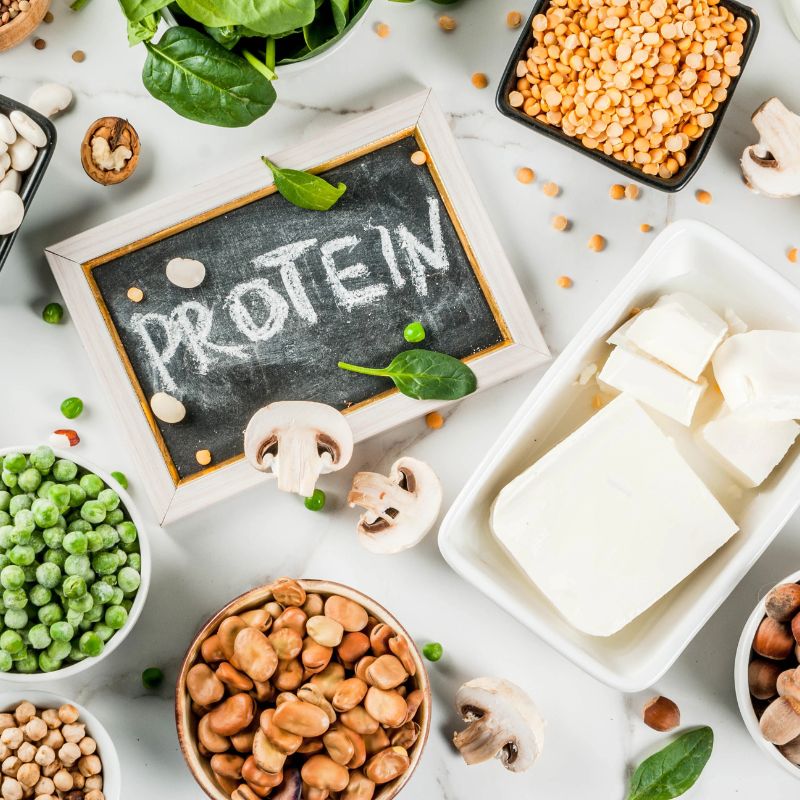
Now that you know why protein matters, here is a closer look at the top plant-based protein sources to fuel a healthy and balanced vegan lifestyle.
1. Legumes: Lentils, Chickpeas, Beans
Legumes are among the most powerful plant-based protein options and a good starting point for anyone new to vegan cooking. A single cup of cooked lentils provides about 18 grams of protein.
- Lentils: Rich in iron and fiber, cook quickly and blend well in soups or stews.
- Chickpeas (Garbanzo Beans): Perfect for hummus, salads, and curries.
- Black Beans/Kidney Beans: Great in tacos, bowls, and chili.
These foods are not just protein-rich but also high in fiber and low in fat.
2. Tofu, Tempeh, and Edamame
Soy-based foods deserve special attention because they are among the few plant proteins considered complete on their own. All made from soybeans, these foods contain all nine essential amino acids.
- Tofu: Absorbs flavors well and can be grilled, sauteed, or scrambled.
- Tempeh: Fermented and nutty in taste, has more protein and fiber than tofu.
- Edamame: Young soybeans, perfect for snacks or stir-fries.
One cup of tempeh delivers about 30 grams of protein, making it one of the top plant-based protein sources for vegans.
3. Quinoa
Grains rarely offer a full amino acid profile, which is what makes quinoa stand out. Unlike most grains, quinoa is a complete protein, providing about 8 grams per cooked cup. It is gluten-free, quick to cook, and works well in salads, bowls, and as a rice substitute.
It is also a good source of magnesium, iron, and fiber, ideal for maintaining overall energy and digestive health.
4. Nuts and Seeds
For a protein boost that doubles as a snack, nuts and seeds are hard to beat. Nuts and seeds are packed with protein and healthy fats.
- Almonds (6g per ounce)
- Chia Seeds (5g per 2 tbsp)
- Hemp Seeds (10g per 3 tbsp)
- Pumpkin Seeds (7g per ounce)
They also provide omega-3 fatty acids, which support brain and heart health, something vegans should be mindful of in a meat-free diet.
5. Whole Grains
Grains often get overlooked in protein conversations, but they add up quickly when eaten consistently. Do not underestimate grains like:
- Oats
- Brown rice
- Barley
- Amaranth
- Millet
While not always complete proteins on their own, when combined with legumes, they offer a full amino acid profile. A bowl of oats with nut butter and chia seeds can pack over 15 grams of protein.
6. Plant-Based Protein Powders
Whole foods should always come first, but supplements have their place when time or training demands are higher. For convenience, vegan protein powders derived from peas, rice, hemp, or soy are effective supplements, especially for athletes or those with higher protein needs.
Look for clean-label products without added sugar or artificial flavors.
Combining Plant Proteins for Maximum Nutrition
With so many individual protein sources covered, it is worth clearing up a common misconception about how they work together. It used to be thought that vegans had to combine certain foods, like beans and rice, at the same meal to get all essential amino acids. That has been debunked. As long as your meals throughout the day are varied, your body will assemble the necessary proteins on its own.
Still, combining foods like legumes with grains or nuts can improve the bioavailability of nutrients and create more filling, satisfying meals.
Additional Tips for Boosting Vegan Protein Intake
Knowing which foods to eat is only half the equation, building habits around them is what makes a vegan diet sustainable. Keep these practical tips in mind:
- Snack smart: Keep roasted chickpeas, trail mix, or protein bars on hand.
- Plan your plate: Make sure every meal includes a protein source.
- Batch cook: Prepare quinoa, beans, and tofu ahead of time for easy meal assembly, a habit that also makes eating clean without overspending much easier to maintain.
Eating a wide range of plant-based protein sources for vegans ensures not just protein adequacy but also a wealth of micronutrients that support your overall health.
FAQs About Plant-Based Protein Sources for Vegans
Here are answers to a few questions people commonly ask when switching to plant-based protein.
Q: Can I get enough protein from a vegan diet?
A: Yes. With proper planning and diverse food choices like legumes, soy, seeds, and whole grains, vegans can easily meet protein needs.
Q: Are plant proteins complete proteins?
A: Some are, like quinoa and soy, while others need to be combined. Eating a variety throughout the day ensures complete amino acid coverage.
Q: How much protein do vegans need daily?
A: Most adults need around 0.8g of protein per kg of body weight, though athletes may need more. Vegan sources can easily fulfill this with thoughtful meal planning.
Q: Is it necessary to use vegan protein powders?
A: Not required, but convenient, especially for athletes, those with limited time, or people transitioning to a vegan diet.
Q: What is the healthiest plant-based protein source?
A: There is no single best option, but legumes, soy products, quinoa, and seeds like chia and hemp offer excellent nutrition profiles.
Conclusion
Eating vegan does not mean sacrificing your protein goals. In fact, there is an abundance of rich, wholesome, and satisfying plant-based protein sources for vegans, from legumes and grains to seeds and superfoods. With a little meal planning, vegans can easily meet their daily protein needs while also enjoying diverse, flavorful meals.
Whether you are a new vegan or a long-time plant-eater, understanding your protein options is key to staying healthy and energized. Choose a variety of sources, listen to your body, and enjoy the journey of nourishing yourself naturally.
For more wellness guides, plant-based nutrition tips, and expert resources, visit MindScribes, your digital partner for mindful and informed living.