In an unpredictable world, the ability to adapt emotionally is a genuine advantage. Learning how to build emotional resilience naturally is one of the most valuable personal growth skills you can develop, especially in an age defined by digital stress, burnout, and social isolation.
Emotional resilience isn’t about “being tough” or suppressing how you feel. It’s the process of developing mental flexibility, self-awareness, and emotional strength in a way that supports your health, your relationships, and your overall wellbeing. The good news is that you can build it gradually, through everyday habits, without relying on quick fixes.
What Is Emotional Resilience?
Emotional resilience is your ability to recover from adversity, stress, or hardship in a healthy, adaptive way. Resilient people don’t avoid pain or stress, they experience it fully, but they’re able to regulate their emotions, learn from difficult situations, and return to a sense of balance rather than staying stuck in it.
Building this skill tends to make people more:
- Emotionally intelligent and self-aware
- Adaptable when circumstances change
- Less prone to anxiety and depression
- Better equipped to build strong relationships
With that foundation in place, here’s how to build emotional resilience naturally, one habit at a time.
1. Practice Mindfulness and Self-Awareness
Mindfulness is a cornerstone of emotional resilience. It helps you notice your internal reactions as they happen, without immediately judging or reacting to them.
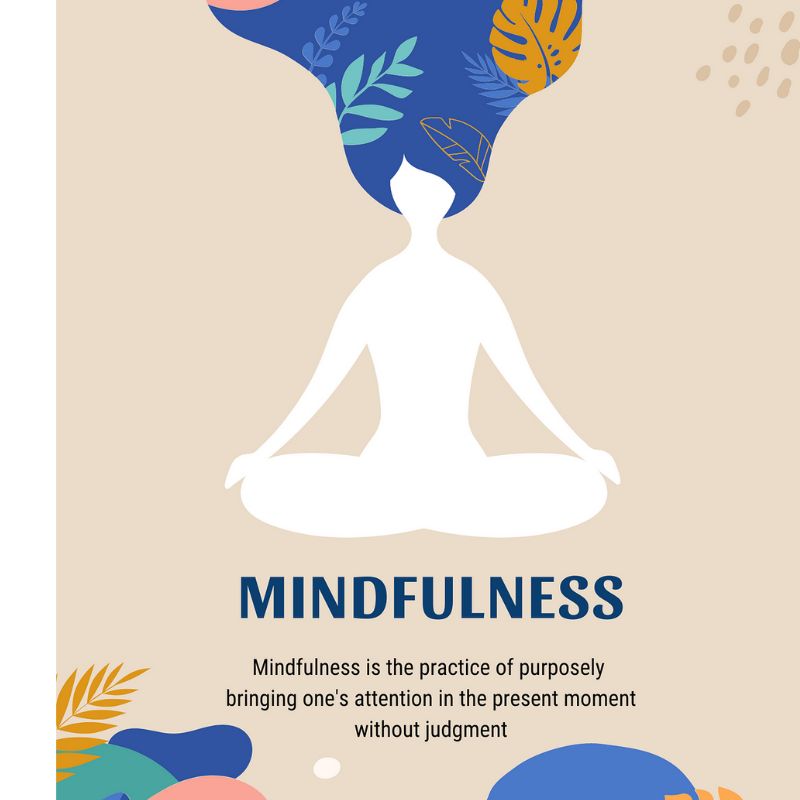
A few simple practices can help you build this awareness day to day.
How to Do It
- Start with breath awareness. Just five to ten minutes a day of mindful breathing reduces cortisol and trains your mind to stay focused under stress.
- Name your emotions. When you’re upset, pause and ask yourself what you’re actually feeling. Naming an emotion activates your prefrontal cortex, which gives you better control over how you respond.
- Try mindful walking or body scans to build somatic awareness and reconnect with physical sensations you might otherwise ignore.
These same techniques overlap closely with the small, repeatable habits covered in simple mindfulness habits you can practice every day, so the two build naturally on each other.
2. Build a Strong Support System
You don’t have to face everything alone, and trying to often backfires. Connection with others is one of the most natural and effective ways to build resilience.
- Spend quality time with supportive family or friends
- Join groups or communities that align with your values or hobbies
- Don’t hesitate to ask for help, a good listener can offer clarity and comfort during hard times
Harvard research has shown that strong relationships are one of the biggest predictors of long-term emotional wellbeing, often outweighing factors like income or career success.
3. Develop Healthy Emotional Habits
Emotionally resilient people don’t repress their emotions, they learn how to work with them instead of against them. A few habits make this easier to practice consistently.
- Reframe negative thoughts. Instead of telling yourself “I can’t handle this,” try “this is difficult, but I’ve handled hard things before.”
- Write it out. Journaling is a well-documented method for making sense of emotional turmoil and processing it rather than carrying it around.
- Limit emotional suppression. Pushing feelings down can fuel anxiety and depression over time. Let yourself feel what comes up, then focus on recovery and growth.
4. Focus on Physical Health
Your body and mind are deeply connected, so when your physical health is solid, your emotional resilience tends to follow.
- Eat whole, nutrient-rich foods that support brain function, think omega-3s, leafy greens, and berries.
- Move regularly. Exercise, even a daily walk, helps lower stress hormones and lifts mood.
- Sleep deeply. Chronic sleep deprivation makes emotional reactions harder to manage and recover from.
5. Cultivate a Growth Mindset
A growth mindset is the belief that you can improve and adapt through effort and learning rather than staying fixed in place. This mindset fosters optimism and emotional flexibility over time.
- Learn from failure. Treat setbacks as opportunities to grow rather than proof of inadequacy.
- Use affirmations. Phrases like “I’m capable of handling whatever comes my way” gradually train your brain toward resilience.
- Practice gratitude. Keeping a daily gratitude journal helps rewire your brain toward a more positive baseline.
6. Spend Time in Nature
Time outdoors has been shown to naturally reduce anxiety, improve mood, and support cognitive function, often within a single session.
- Take short walks in a park or forest
- Engage in grounding activities like gardening or hiking
- Use your senses, listen to birds, feel the breeze, notice the colors around you, to stay present
7. Avoid Overstimulation and Digital Overload
Modern life bombards us with constant notifications, news cycles, and social media comparisons, all of which quietly fuel anxiety over time.
- Take digital detoxes. Unplug for an hour a day or set up screen-free zones in your home.
- Protect your mental space by limiting news exposure, especially before bed
- Replace scrolling with real conversations or offline hobbies
This alone can meaningfully improve emotional regulation and everyday focus.
Frequently Asked Questions (FAQs)
Here are quick answers to the questions people ask most often about building resilience naturally.
1. Can I build emotional resilience without therapy?
Yes. Many people develop strong emotional resilience through mindfulness, lifestyle changes, and supportive relationships. Therapy can help, but it isn’t always necessary to make progress.
2. How long does it take to become emotionally resilient?
It varies from person to person. With daily habits and consistent awareness, most people notice improvement within a few weeks to a few months.
3. Does diet really affect emotional health?
Yes. A well-balanced diet supports brain chemistry, energy levels, and mood regulation more directly than most people expect.
4. Is emotional resilience the same as emotional suppression?
No. Suppression means avoiding an emotion altogether, while resilience means engaging with emotions skillfully and recovering from distress rather than pushing it away.
5. Can children learn emotional resilience naturally?
Yes. Through modeling, safe environments, and supportive parenting, children can develop strong emotional resilience from an early age.
Conclusion
Building emotional resilience doesn’t require drastic measures or medication. By embracing a mindful lifestyle, nurturing supportive relationships, and taking care of your body and mind, you can develop emotional strength that actually lasts.
Whether you’re navigating personal loss, career stress, or general anxiety about the state of the world, learning how to build emotional resilience naturally can genuinely transform your capacity to cope and grow.
If you’re building out a broader wellness routine, pairing these habits with a few everyday self-care practices worth trying can help resilience feel less like effort and more like a natural extension of your day. Explore more science-backed mental wellness guides on MindScribes, your space for personal growth, emotional intelligence, and mindful living.