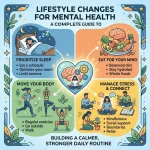
Physical health and mental wellness are usually treated as two separate report cards one for the body, one for the mind but real life rarely works that way. A rough night’s sleep shows up as a short temper the next morning. Weeks of chronic stress show up as a stiff neck, a skipped workout, or a fridge raided at midnight. The truth is simpler than most wellness advice admits: your body and mind run on the same system, and improving one is often the fastest way to repair the other. This guide breaks down how physical health and mental wellness actually influence each other, along with practical habits you can start today no extreme diets or 5 a.m. alarms required. For more foundational reading, MindScribes’ Health & Wellness section is a good place to keep exploring.
Why Physical Health and Mental Wellness Are Impossible to Separate
Every emotion you feel triggers a measurable physical response, and every physical state tired, sore, well-fed, dehydrated shapes how you think and feel. Chronic stress keeps cortisol elevated, which disrupts sleep, digestion, and immune function. Regular movement raises endorphins and BDNF, a protein linked to better mood and sharper memory. Even gut bacteria communicate directly with the brain through the vagus nerve, which is why a poor diet can leave you anxious even when nothing ‘stressful’ has happened. Once you see physical health and mental wellness as one connected system rather than two separate goals, the importance of health and wellness becomes much easier to act on.

The Body-Mind Feedback Loop, Explained Simply
These everyday loops repeat constantly, whether you notice them or not:
• Poor sleep lowers emotional regulation, which raises next-day stress, which further disrupts sleep.
• Movement releases endorphins that reduce anxiety, making you more likely to move again tomorrow.
• Skipped meals cause blood-sugar dips that mimic anxiety symptoms racing heart, irritability, shakiness.
• Unmanaged stress raises inflammation, which is linked to fatigue and low mood over time.
Morning Habits That Set the Tone for Both
How you spend the first thirty minutes after waking has an outsized effect on both energy and mood, mostly because it determines your cortisol curve for the rest of the day. A consistent wake time, a few minutes of natural light, water before caffeine, and a short movement break all send the same signal to your nervous system: the day is safe, no need to stay on high alert. You don’t need a rigid routine to get this benefit, you need a repeatable one. A full breakdown of options is in this healthy morning lifestyle routine guide, including versions for people who genuinely dislike mornings.
A Weekly Reset Keeps You From Falling Behind
A single weekly check-in prevents small issues from piling up into a burned-out Friday:
• Review the week ahead and flag the two or three days that will be genuinely demanding.
• Batch-prep two or three meals so decision fatigue doesn’t derail your nutrition mid-week.
• Doing a 10-minute space reset clutter is a low-grade but constant stressor.
• Schedule one recovery block, even if it’s just 20 minutes with no screen.
If you want a ready-made framework, this Sunday reset routine checklist lays out the whole process step by step.
Exercise as Medicine, Not Punishment
Exercise is often framed as a way to fix how your body looks, which is exactly why so many people quit within a month. Reframed as a mental health tool, it’s far easier to sustain: a brisk 20-minute walk lowers cortisol measurably within minutes, and strength training has been shown to ease symptoms of mild depression about as effectively as some talk therapy protocols. The comparison between an active lifestyle and a sedentary one isn’t about aesthetics at all; it’s about mood stability, sleep quality, and long-term resilience to stress.

Finding a Movement Routine That Actually Fits Your Life
There’s no single ‘correct’ workout the best routine is the one that survives contact with your actual schedule:
• Desk job, low energy after work: two 15-minute walking breaks during the day beat one evening gym session you’ll skip.
• New parent, fragmented time: bodyweight circuits at home in 10-minute blocks, done whenever a window opens.
• Night-shift schedule: light movement before sleep instead of stimulating cardio, to protect what sleep window you have.
• Gym-averse: dance, swimming, or sport-based movement counts fully and often sticks longer than a gym membership.
A handful of apps make this easier to track without adding stress see this list of fitness and lifestyle apps built for real habits rather than 30-day transformations.
Nutrition’s Quiet Influence on Mood and Focus
What you eat shapes brain chemistry more directly than most people realize. Stable blood sugar keeps mood swings and irritability in check, omega-3 fats support the structure of neurons involved in mood regulation, and roughly 90% of the body’s serotonin is produced in the gut, not the brain. This doesn’t mean chasing a perfect diet, it means building meals with enough protein, fiber, and healthy fat to avoid the energy crashes that masquerade as anxiety or brain fog. This wellness meal plan guide and these natural remedies for everyday health are both useful starting points.
Sleep and Stress: The Two Biggest Levers
If you can only fix two things, fix these. Sleep debt impairs the prefrontal cortex first, which is exactly the part of the brain responsible for emotional regulation and decision-making; this is why everything feels harder after a bad night. Chronic, unmanaged stress does the same damage more slowly, through sustained cortisol exposure. Practical, evidence-based approaches for both are covered in this guide on living a stress-free lifestyle, and if racing thoughts specifically hit at bedtime, this piece on overthinking at night addresses that pattern directly.
Mindfulness Practices That Actually Fit a Busy Day
Mindfulness doesn’t require a silent retreat these fit into ordinary days:
• A 3-minute breathing script before a stressful meeting, rather than a 30-minute session you’ll never schedule.
• Journaling for five minutes before bed to offload racing thoughts instead of carrying them into sleep.
• A single mindful meal per day, eaten without a screen, to practice attention without adding a task.
For guided options, these short mindfulness meditation scripts for anxiety relief and these journaling prompts for self-discovery are both practical entry points.

When Self-Care Isn’t Enough: Getting Professional Support
Habits help, but they aren’t a substitute for professional care when symptoms are persistent, severe, or interfering with daily functioning. There’s no shame in needing more structured support; it’s simply the next appropriate step, the same way you’d see a physical therapist for a knee that won’t heal on its own. If you’re exploring options, this overview of health and wellness coaching online and this guide to health and wellness centers near you are both good places to start comparing options.
Real-Life Wellness Scenarios (Not One-Size-Fits-All)
Practical plans need to match the actual constraints of your week, not an idealized one:
• The overworked professional: protect one non-negotiable recovery block per day, even 15 minutes, and treat it like a meeting.
• The exhausted new parent: lower the bar to ‘movement plus one real meal’ on the hardest days, and rebuild from there.
• The overwhelmed student: swap one late-night scroll session for a wind-down routine before deadlines pile up further.
• The introvert running on empty: schedule recovery time after socially demanding days rather than powering through.
For more on the last two, see this piece on self-care for introverts and this framework for breaking bad habits using the cue-routine-reward loop, which applies just as well to building good ones.
Building a Plan That Works on Any Budget
None of the habits above require expensive equipment or premium subscriptions. Walking, bodyweight training, journaling, and basic nutrition swaps cost nothing. Where spending does help supplements, wearables, or a gym membership it’s worth comparing options rather than buying the most heavily marketed one; this list of affordable health and wellness brands is a useful filter. Employers are also increasingly building support into the workplace itself see these workplace health and wellness initiatives for what to look for or request.
Health and Wellness Habits by Life Stage
Physical and mental wellness needs shift over time, and generic advice tends to miss those shifts. Hormonal changes, career pressure, caregiving load, and recovery capacity all evolve, which is why stage-specific guidance tends to work better than one-size-fits-all lists. This men’s health and wellness guide and this resource on women’s health and wellness supplements both go deeper into needs that shift with age and life stage.

Skip the Trends, Keep the Fundamentals
Every year brings a new supplement, extreme protocol, or 75-day challenge promising a total transformation. Most fail for the same reason: they’re built for attention, not for adherence. The fundamentals covered in this guide sleep, movement, nutrition, stress management, and social connection remain the most evidence-backed levers for both physical health and mental wellness, trend cycles aside. If you want ongoing, credible reading rather than fads, these health and wellness blogs and health and wellness podcasts are worth bookmarking.
Bringing It All Together
Physical health and mental wellness were never meant to be managed on separate tracks. A single realistic habit, a daily walk, a consistent bedtime, five minutes of journaling tends to improve both at once, which is exactly why starting small works better than overhauling everything at once. Pick one habit from this guide, keep it for two weeks, and let the next one build on it naturally.
Frequently Asked Questions
How are physical health and mental wellness connected?
They share the same biological systems, hormones, the nervous system, and gut bacteria all link physical state directly to mood, focus, and stress resilience in both directions.
What’s the fastest way to improve mental wellness through physical habits?
A brisk 20-minute walk and a consistent sleep schedule produce the quickest measurable mood improvements, since both directly lower cortisol and support emotional regulation.
Can a poor diet really cause anxiety symptoms?
Yes. Blood sugar crashes and gut imbalances can trigger a racing heart, irritability, and shakiness that closely mimic anxiety, even without an external stressful trigger.
How much exercise is needed for mental health benefits?
Research consistently shows benefits starting at around 150 minutes of moderate physical activity per week, though even short daily walks can measurably reduce stress and improve mood.
When should someone seek professional help instead of self-care habits?
When symptoms are persistent, severe, or interfere with daily functioning, it’s time to seek professional support. Self-care habits work best as a complement to, not a replacement for, appropriate mental health care.