Stress has become an everyday companion in our fast-paced lives. Whether it’s work deadlines, family demands, or personal worries, chronic tension takes a toll on our mental and physical well-being. Fortunately, one of the most effective tools to counteract stress is right under your nose: breathing. In this article, you will discover the best breathing techniques for stress relief, why they work, and how to integrate them seamlessly into your day.
Why Breathing Helps Reduce Stress
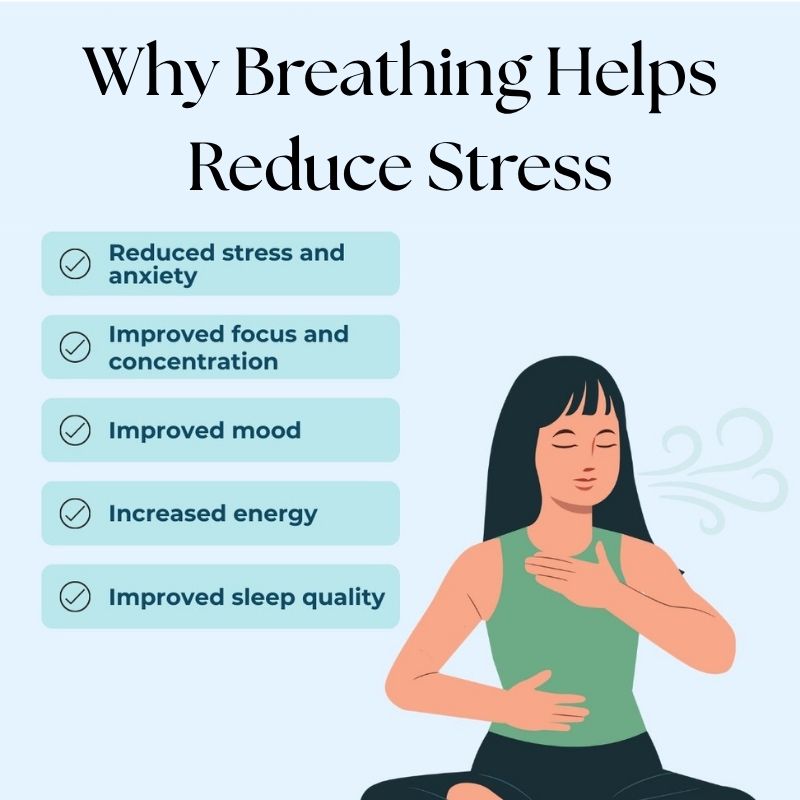
Before jumping into specific exercises, it helps to understand why breath has this effect in the first place. Our breathing pattern reflects our emotional and physiological state. Shallow, rapid breathing often accompanies stress, triggering the sympathetic nervous system, which amplifies anxiety and tension. Slow, deep breathing does the opposite, activating the parasympathetic system, our natural relaxation response, and lowering heart rate, blood pressure, and stress hormones. This connection is part of why breathwork shows up so often among natural approaches to easing anxiety.
The Science Behind It
The physical effects of breathwork are not just anecdotal, there is real research behind them. Research in psychoneuroendocrinology shows that deep breathing techniques reduce cortisol levels, the primary stress hormone, and improve mood and cognitive function. According to the American Institute of Stress, conscious breathing exercises can significantly alleviate symptoms of anxiety and depression. These findings support the importance of practicing the best breathing techniques for stress relief as part of daily self-care.
Top 5 Breathing Techniques for Stress Relief
With the science out of the way, here are five well-researched, easy-to-practice breathing exercises you can use anywhere, anytime to ease stress. Several of these overlap with the kind of grounding practices covered in practicing mindfulness in everyday moments, so they tend to reinforce each other.
1. Diaphragmatic (Abdominal) Breathing
This is the most foundational of the five techniques and a good starting point if you are new to breathwork.
What it is:
A foundational technique that emphasizes deep breaths from the diaphragm rather than shallow chest breathing.
How to do it:
- Sit or lie down comfortably.
- Place one hand on your chest and the other on your belly.
- Inhale slowly through your nose, letting your belly rise.
- Exhale gently through your mouth or nose, feeling your belly fall.
- Repeat for 5 to 10 minutes.
Why it helps:
This technique increases oxygen intake, slows the heartbeat, and relieves stress instantly. It is often highlighted among the best breathing techniques for stress relief due to its effectiveness.
2. Box Breathing (Square Breathing)
Once diaphragmatic breathing feels natural, box breathing adds a bit more structure to the practice.
What it is:
A structured breathing cycle often used by athletes and the military to calm the mind.
How to do it:
- Inhale for 4 counts.
- Hold for 4 counts.
- Exhale for 4 counts.
- Pause for 4 counts.
- Repeat 4 to 6 times.
Why it helps:
Box breathing brings attention to each moment and balances the nervous system. Its visual structure makes it easy to follow and memorable.
3. The 4-7-8 Breathing Method
For anyone dealing with racing thoughts before bed, this rhythmic pattern tends to work faster than most other techniques.
What it is:
A rhythmic technique popularized by Dr. Andrew Weil.
How to do it:
- Inhale through your nose for 4 counts.
- Hold your breath for 7 counts.
- Exhale slowly through your mouth for 8 counts.
- Repeat for 4 cycles.
Why it helps:
This method slows down the breath dramatically, signaling the brain to enter a restful state. It is one of the best breathing techniques for stress relief, especially before sleep or stressful events.
4. Alternate Nostril Breathing
This technique comes from yogic tradition and takes a little more coordination than the others, but it is worth the practice.
What it is:
A yogic practice that balances left and right brain hemispheres.
How to do it:
- Sit comfortably.
- Close your right nostril with your thumb.
- Inhale through the left nostril.
- Switch, closing the left nostril and exhaling through the right.
- Inhale through the right nostril.
- Switch and exhale through the left.
- Continue for 5 to 10 cycles.
Why it helps:
By alternating nostrils, this practice promotes mental clarity and balanced energy. It is widely recognized as one of the best breathing techniques for stress relief and mental focus.
5. Resonant Breathing
This last technique is a little more advanced and works best once the basics feel comfortable.
What it is:
A practice focused on achieving a specific breath rate, usually 5 to 7 breaths per minute.
How to do it:
- Inhale for 5 seconds.
- Exhale for 5 seconds.
- Continue with even in-and-out breaths for 5 to 10 minutes.
Why it helps:
By slowing the breath to an optimal pace, you harmonize heart rate variability, reduce stress, and deepen resilience. It is an advanced but powerful addition to your toolkit.
Incorporating Breathing Techniques into Daily Life
Knowing the techniques is only half the equation. The real benefit comes from weaving them into a routine you will actually stick with.
Make it a Habit
Consistency matters more than duration when it comes to breathwork. Anchoring it to a consistent daily wellness routine makes it far easier to stay on track.
- Schedule short breaks to practice, perhaps during morning coffee or after meetings.
- Use phone reminders or wellness apps for consistency.
Combine with Movement
Breathwork tends to feel even more effective when paired with gentle physical activity rather than done in isolation.
- Pair breathing with light yoga stretches, a mindful walk, or simple stretches to enhance relaxation, similar to the ideas covered in everyday habits that support fitness and wellness.
Track Your Progress
Noticing small shifts over time helps keep motivation up, especially in the early weeks when progress can feel subtle.
- Notice changes in mood, sleep, or stress levels over weeks.
- Consider journaling before and after sessions to build motivation, one of several activities that support emotional wellness.
Frequently Asked Questions (FAQs)
How long before I feel calmer with these breathing techniques?
You can feel relaxed within a minute or two, especially with box breathing or the 4-7-8 breathing method. For sustained stress reduction, daily practice for a few weeks is ideal.
Can children or seniors use these techniques?
Absolutely. These gentle exercises are safe and beneficial across ages. Encourage shorter sessions for children, around 2 to 3 minutes, until they build confidence.
Should I breathe in through my nose or mouth?
Generally, inhaling through the nose and exhaling through the mouth is recommended, since it warms and filters air while promoting better oxygenation. But follow what feels comfortable.
Can these techniques help with anxiety attacks?
Yes, especially calming ones like diaphragmatic breathing or the 4-7-8 method. Slow, focused breathing sends a signal to your brain and body to reduce panic.
Are there any risks?
Breathing exercises are low-risk, but if you have respiratory conditions like asthma, panic disorders, or cardiovascular issues, consult your doctor before starting.
Conclusion
Mastering the best breathing techniques for stress relief is a transformative step toward a calmer, more resilient you, and one that fits naturally alongside building stronger emotional resilience over time. Start small, five minutes a day can yield powerful shifts in mood, energy, and focus.
Want personalized guidance on building a stress-relief routine? Visit MindScribes to explore expert resources, guided sessions, and tailored breathing plans designed to help you thrive every day.