Traveling to Australia is an exciting experience, but the journey itself can be exhausting. With flight times often exceeding 20 hours and significant time zone changes, long-haul flights to Australia can take a serious toll on your body. Jet lag, fatigue, dehydration, and discomfort are common challenges for travelers. The good news is that with proper planning and smart strategies, you can minimize jet lag and arrive feeling refreshed.
Long hours of sitting, dry cabin air, and irregular sleep patterns can further increase travel stress. Many travelers underestimate how much preparation is needed for ultra long international flights. Understanding how your body reacts to extended travel can help you plan smarter and feel better upon arrival. Simple adjustments before, during, and after the flight can significantly reduce travel fatigue.
By following proven long-haul travel techniques, you can start your Australian journey with more energy and comfort.
Why Flights to Australia Cause Severe Jet Lag
Before looking at fixes, it helps to understand what makes this particular route so hard on the body in the first place.
- Australia is one of the farthest travel destinations for people coming from Europe, North America, or the Middle East.
- Traveling to Australia requires crossing multiple time zones.
- Crossing time zones disrupts the body’s internal clock (circadian rhythm).
- Long hours of sitting during the flight contribute to physical discomfort and fatigue.
- Dry cabin air can cause dehydration and worsen jet lag symptoms.
- Irregular sleep schedules during travel disturb normal sleep patterns.
- Limited exposure to natural sunlight affects the body’s adjustment to the new time zone.
- Common jet lag symptoms include headaches.
- Travelers may experience digestive issues.
- Poor concentration is a common effect during the first few days.
- Extreme tiredness is often felt at the beginning of the trip.
How to Prepare Before a Long-Haul Flight to Australia
Good preparation starts well before you reach the airport, and a few simple shifts in the days beforehand make the flight itself far easier to handle.
Preparation starts days before your flight. Begin adjusting your sleep schedule gradually to match Australian time. Go to bed and wake up one hour earlier or later depending on your destination. If you struggle with adjusting your schedule, easing into an earlier wake up time can help make the transition less jarring.
Staying hydrated is also crucial. Start increasing your water intake at least two days before departure. Avoid heavy meals, alcohol, and excessive caffeine before flying. Pack essentials such as a reusable water bottle, skincare products, and in-flight comfort gear to stay relaxed throughout the journey. For a full packing strategy, organizing your carry-on efficiently works just as well for leisure travel as it does for work trips.
Tactical Sleep Supplements for Long-Haul Flights to Australia
Beyond timing your sleep, a few supplements and hydration habits can make actually falling asleep on the plane much easier.
Tactical sleep support can make a major difference on ultra long flights. Many travelers rely on natural sleep aids like magnesium or melatonin to help reset their sleep cycle. These supplements support relaxation and help signal your body when it’s time to rest. For a deeper look at sleep supporting options, falling asleep faster without medication is worth reviewing before your trip.
Hydration supplements and electrolytes are also helpful for preventing fatigue and headaches caused by cabin dryness. If you’re interested in natural supplement options for overall wellness, choosing natural wellness products covers several worth considering. Always use supplements responsibly and in moderation to avoid grogginess upon landing.
Comfort and Clothing Tips for Long Flights to Australia
What you wear on board affects circulation, temperature, and overall comfort more than most travelers expect, so it is worth planning your outfit as carefully as your itinerary.
- Wearing the right clothing is essential for staying comfortable on a long-haul flight.
- Choose loose and breathable fabrics.
- Wear clothes that allow easy movement.
- Select materials that help regulate body temperature.
- Layer your clothing because cabin temperatures can change.
- Compression socks improve blood circulation.
- Compression socks also help reduce leg swelling.
- Wear comfortable shoes or socks instead of tight footwear.
- Comfortable footwear is especially important on flights longer than 15 hours.
Maintaining good physical habits before your trip also helps. Staying active in the weeks before departure can improve your body’s ability to handle long-haul travel stress.
Earplugs, Pillows, and Sleep Masks for Better In-Flight Rest
A handful of small accessories can turn an upright economy seat into something closer to an actual bed, and they are worth packing every time.
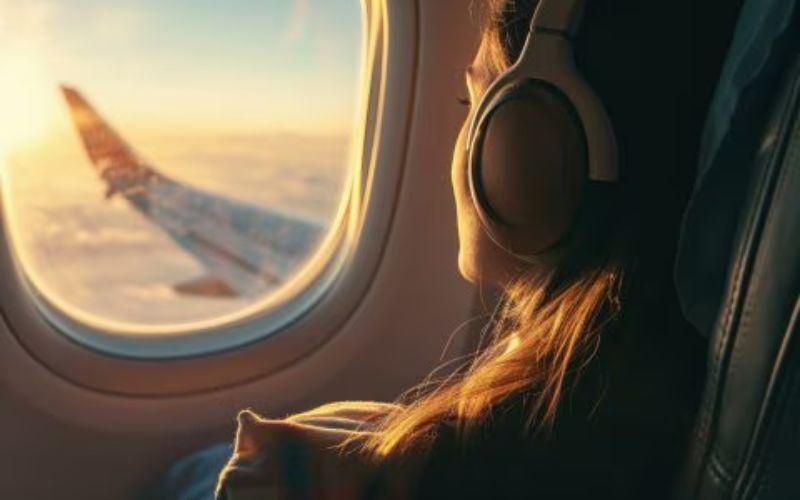
Quality sleep accessories are a must for long-haul travel. Noise canceling earplugs or headphones block out engine noise and cabin sounds.
A supportive neck pillow prevents stiffness and improves sleep posture. Sleep masks help block artificial light, allowing deeper rest even during daytime flights. These simple tools significantly improve in-flight sleep quality and help reduce jet lag symptoms after arrival.
In-Flight Tips to Reduce Jet Lag
Once you are actually in the air, a few habits during the flight itself can meaningfully cut down on jet lag once you land.
Once onboard, set your watch to Australian time to mentally adjust. Drink water regularly and avoid alcohol, which causes dehydration. Try to sleep according to your destination’s night time, even if it feels unnatural at first.
Light stretching and short walks around the cabin help improve blood circulation. Staying active in the days before departure, following small daily habits that support overall health, helps prepare your body for extended sitting. Limit screen time before sleeping, as blue light interferes with melatonin production.
How to Recover from Jet Lag After Landing in Australia
The first two or three days after landing matter more than most travelers realize, and a consistent routine speeds up recovery noticeably.
- Expose yourself to natural sunlight as soon as possible after landing.
- Sunlight helps reset your body clock quickly.
- Avoid taking long naps during the day.
- If necessary, take short power naps only.
- Eat light meals according to local meal times.
- Stay active with gentle walking or light movement.
- Go to bed at a normal local bedtime, even if you feel tired early.
- Following these steps helps your body adjust within a few days.
Supporting your recovery with a structured daily routine also speeds up adjustment. Consider building habits inspired by a consistent morning to night wellness rhythm to stay on track from day one in Australia.
Best Travel Schedule Tips for First-Time Australia Visitors
How you structure your first two days in the country can set the tone for the rest of the trip, so it deserves some deliberate planning.
Plan your itinerary wisely during the first 48 hours. Avoid scheduling intense activities immediately after arrival. Choose flights that arrive in the evening if possible, making it easier to sleep at the correct time. Booking accommodation with early check-in options can also be very helpful.
Allow your body time to adapt before starting full day tours or long road trips. If you want to maximize productivity and organization even while traveling, staying organized during trips away from home applies equally well to long-haul leisure travel. For broader planning inspiration, browsing destination guides from around the world is a great place to start.
FAQs: Australia Travel Tips for Long-Haul Flights and Jet Lag
Here are quick answers to the questions travelers ask most often before flying the long route to Australia.
How long does jet lag last after flying to Australia?
Jet lag usually lasts two to five days depending on the number of time zones crossed and how well you manage sleep and sunlight exposure.
Should I sleep on the plane when flying to Australia?
Yes, sleeping according to Australian night hours helps your body adjust faster and reduces fatigue after landing.
What is the fastest way to recover from jet lag in Australia?
Natural sunlight, hydration, light activity, and maintaining local meal times are the fastest ways to recover.
Are sleep supplements safe for long-haul flights?
Natural supplements like magnesium or melatonin are generally safe when used in small amounts, but avoid overuse.
What should I avoid during long flights to Australia?
Avoid alcohol, heavy meals, dehydration, and excessive screen time before sleeping.
Conclusion
Long-haul flights to Australia don’t have to ruin your travel experience. With smart preparation, proper sleep support, comfortable clothing, and mindful recovery strategies, jet lag becomes manageable. These Australia travel tips for long-haul flights and jet lag will help you arrive energized and ready to explore. A little planning goes a long way in turning a tiring journey into a smooth start to your Australian adventure.
By listening to your body and adjusting to local time quickly, you can reduce travel fatigue more effectively. Staying consistent with healthy routines during the first few days helps your body adapt faster. Incorporating small everyday habits that support better health into your routine makes a real difference not just at home, but when you’re navigating the challenges of international travel too. With the right approach, even the longest flight to Australia can feel more comfortable and rewarding.