Exploring rural Ireland without a tour is one of the most rewarding ways to experience the country’s soul. Away from busy itineraries and time-bound schedules, you discover winding roads, quiet villages, dramatic coastlines, and genuine human connections. The Irish countryside is not designed for rushing through it invites slow travel, curiosity, and flexibility.
For independent travelers, exploring rural Ireland means learning to trust instinct, embrace unpredictability, and engage with the land and its people. With the right preparation and mindset, traveling without a tour becomes not just manageable, but deeply fulfilling.
Why Exploring Rural Ireland Independently Is Worth It
Rural Ireland operates at its own rhythm. Public transport exists but does not always reach remote areas, and many of the best experiences are unmarked on maps. Traveling without a tour allows you to stop when a view calls you, linger in a village pub, or follow a conversation into an unexpected detour.
Independent travel also offers emotional depth. Conversations with locals, shared stories, and unplanned moments create memories that guided tours rarely provide. Exploring rural Ireland on your own brings you closer to its culture, history, and daily life.
Planning Your Route Without Over planning
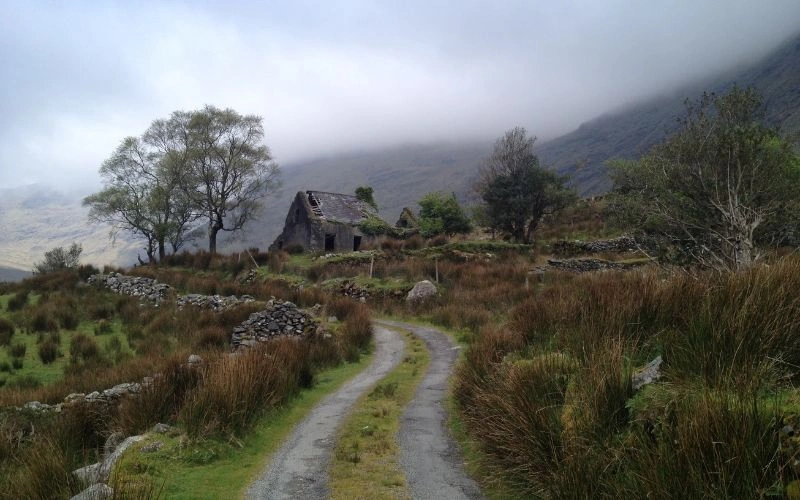
Choose one region, travel slowly, and leave room for unplanned stops to experience rural Ireland more naturally and meaningfully:
- A common mistake when exploring rural Ireland is trying to see too much in a short time, which often leads to rushed travel and missed experiences.
- Instead of planning every stop, choose one region and allow room for spontaneity and unplanned discoveries.
- Counties along the west and south coasts are especially well suited for slow, independent travel.
- Focus on visiting nearby clusters rather than making long-distance jumps across the country.
- Rural roads are scenic but narrow, and travel times are usually longer than expected.
- Staying within a smaller area reduces stress and creates more opportunities for authentic local experiences.
Transportation Tips for Rural Ireland
Plan transport carefully, renting a small car offers the most flexibility, while limited public transport in rural Ireland requires patience, local guidance, and realistic travel timing.
Driving Yourself
Driving is the most practical way of exploring rural Ireland without a tour. Renting a car gives access to remote villages, coastal routes, and countryside landscapes unreachable by public transport. While driving on narrow roads can be intimidating at first, patience and caution quickly build confidence.
Choose a smaller vehicle for ease on country lanes, and always allow extra time for journeys. The scenery itself becomes part of the experience.
Public Transport and Local Options
Buses and trains connect major towns, but rural travel often requires creativity. Local taxis, community buses, and even advice from accommodation hosts can help bridge gaps. Walking and cycling are also rewarding in compact rural areas.
Choosing Accommodation That Enhances the Experience
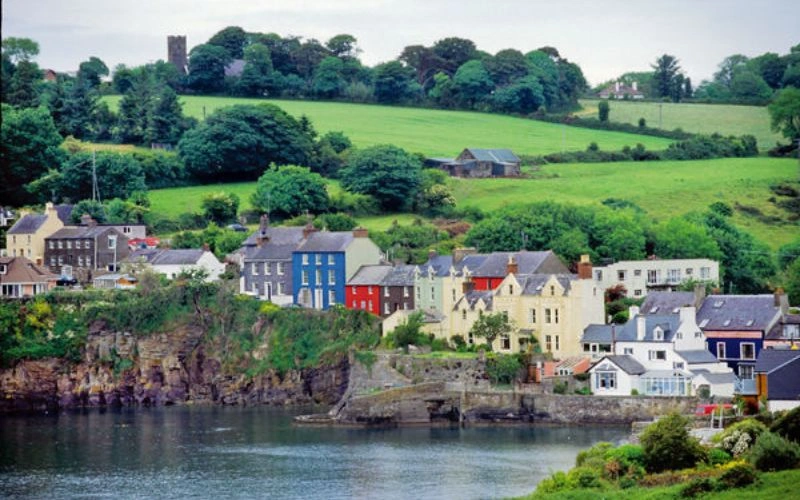
Where you stay matters when exploring rural Ireland. Family-run guesthouses, farm stays, and small inns offer more than a bed; they provide insight, conversation, and local knowledge. Hosts often recommend hidden beaches, scenic routes, or events not found online.
Staying multiple nights in one place helps you integrate into the rhythm of the area and reduces travel fatigue.
Connecting With Locals Respectfully
One of the greatest advantages of exploring rural Ireland independently is the opportunity for genuine interaction. Rural communities value friendliness, humility, and conversation. A simple greeting can lead to a long chat, a story, or local advice.
Listen more than you speak. Respect privacy and local customs. Avoid treating villages as attractions, remember they are living communities.
Food Experiences Beyond Tourist Spots
Rural Ireland’s food culture is grounded in freshness and simplicity. Instead of searching for famous restaurants, explore village cafés, bakeries, and pubs. Seasonal menus reflect local produce, seafood, and traditional recipes.
Ask locals where they eat. These recommendations often lead to memorable meals and authentic hospitality.
Navigating Weather and Seasons
Expect changing weather, pack smart, and travel off-season to enjoy rural Ireland’s landscapes with fewer crowds and greater comfort:
- Weather in rural Ireland can change quickly, so packing layers, waterproof clothing, and comfortable walking shoes is essential in every season.
- Rather than avoiding rain, embrace it, as misty hills and dramatic skies are part of Ireland’s natural beauty.
- Traveling outside the peak summer months results in quieter roads, easier accommodation bookings, and a more intimate countryside experience.
Staying Safe While Traveling Independently
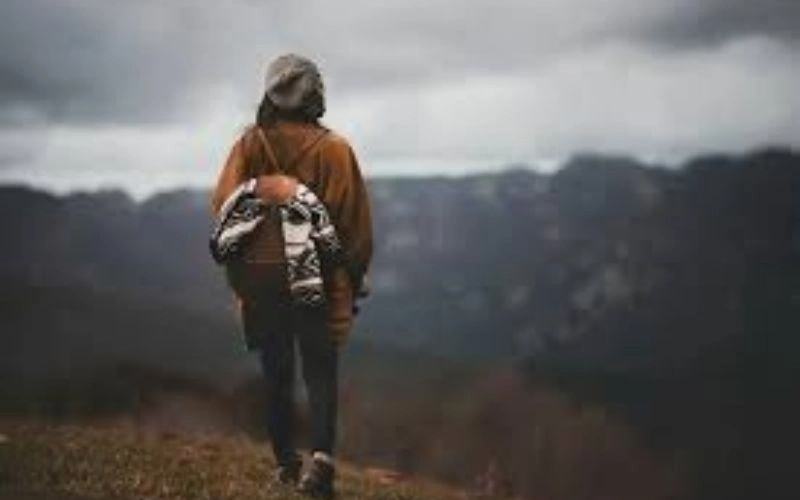
Exploring rural Ireland is generally safe, but common sense matters. Inform someone of your plans when hiking or driving remote routes. Carry offline maps and keep your phone charged.
Respect farmland boundaries and follow local signage. If unsure, ask—people are usually happy to help.
Mindset for Meaningful Exploration
The most important tip for exploring rural Ireland without a tour is mindset. Release expectations. Accept detours. Value silence. Independent travel here is not about ticking landmarks but about presence.
Moments of stillness, unexpected conversations, and quiet beauty define the experience far more than checklists.
FAQs: Exploring Rural Ireland Without a Tour
Is exploring rural Ireland without a tour suitable for first-time visitors?
Yes. With simple planning, flexible schedules, and a curious mindset, first-time visitors can confidently explore rural Ireland and enjoy authentic countryside experiences.
Do I need to rent a car for rural Ireland?
Renting a car is strongly recommended, as many rural villages, coastal roads, and scenic spots are not easily accessible through public transport.
Is rural Ireland safe for solo travelers?
Rural Ireland is generally very safe. Staying aware, respecting local customs, and planning routes carefully helps ensure a smooth and comfortable solo journey.
What is the best time for exploring rural Ireland?
Late spring and early autumn are ideal, offering pleasant weather, fewer tourists, and lush landscapes that enhance independent travel experiences.
Can I find accommodations easily in rural areas?
Yes. Guesthouses, farm stays, and small inns are widely available, but booking in advance is recommended during summer and holiday periods.
Conclusion: Travel Deeper, Not Faster
Exploring rural Ireland without a tour allows you to experience the country as it truly is unhurried, welcoming, and deeply human. By traveling independently, you open yourself to stories, landscapes, and connections that structured itineraries often miss.
If you enjoy thoughtful travel stories, cultural insights, and guides that value depth over hype, explore more travel inspiration at https://mindscribes.com/. Let your next journey be guided by curiosity, not schedules.