The healthcare industry is rapidly transforming with the integration of advanced digital technologies. Among these innovations, tactile internet applications for remote healthcare stand out as a breakthrough that enables real-time interaction, precision, and responsiveness across distances. Unlike traditional telemedicine, which mainly focuses on video and data exchange, the tactile internet introduces touch and haptic feedback into remote medical services.
This evolution has the potential to redefine how healthcare professionals diagnose, treat, and monitor patients especially in underserved or remote regions. As networks become faster and more reliable, tactile internet applications for remote healthcare are moving from concept to practical reality.
Understanding the Tactile Internet in Healthcare
The tactile internet refers to ultra-low-latency communication networks that allow real-time transmission of touch, movement, and control signals. In healthcare, this means that a doctor can physically “feel” what is happening at a remote location through haptic devices.
Tactile internet applications for remote healthcare rely heavily on next-generation connectivity, edge computing, and intelligent systems to ensure responsiveness measured in milliseconds. This level of immediacy is essential for medical tasks that demand precision and safety.
Key Applications of Tactile Internet in Remote Healthcare
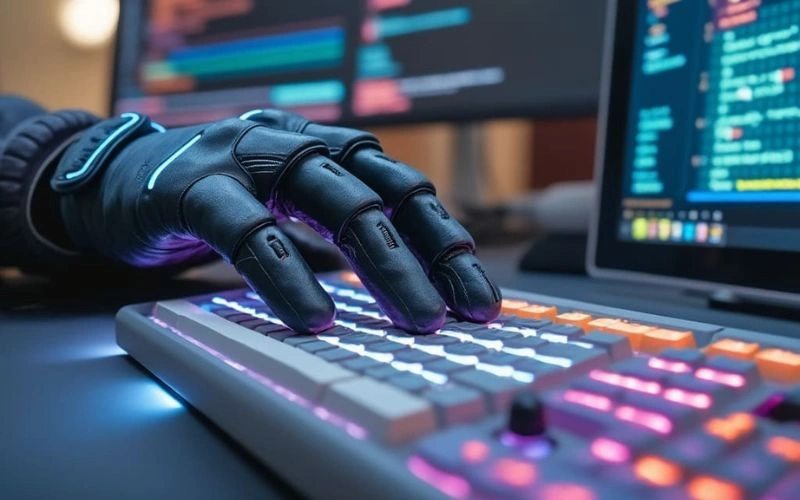
Ultra-low latency tactile internet enables real-time remote surgery, robotic rehabilitation, haptic teleconsultations, and precise remote diagnostics bringing hands-on healthcare beyond physical boundaries.
Remote Surgery and Robotic Assistance
One of the most impactful tactile internet applications for remote healthcare is robotic surgery. Surgeons can operate robotic instruments from distant locations while receiving tactile feedback that mimics real surgical touch. This allows specialists to perform complex procedures without being physically present.
Such systems reduce geographic barriers, enabling expert care in rural hospitals, disaster zones, and conflict-affected areas where specialist surgeons are unavailable.
Advanced Tele-Rehabilitation
Tactile internet applications for remote healthcare also enhance physical therapy and rehabilitation. Patients recovering from injuries can perform guided exercises at home using haptic devices that provide resistance, correction, and real-time feedback.
Therapists can adjust therapy intensity remotely while monitoring patient performance accurately, improving recovery outcomes and long-term compliance.
Remote Diagnosis and Medical Training
Doctors can use tactile internet-enabled tools to conduct detailed remote examinations, such as palpation or ultrasound scanning, with near-physical accuracy. Medical students and junior doctors can also train using realistic simulations that replicate tactile sensations.
This application improves skill development while minimizing risks to real patients.
Benefits of Tactile Internet Applications for Remote Healthcare

The adoption of tactile internet applications for remote healthcare offers several key advantages:
- Improved access to specialized care for remote and underserved populations
- Reduced treatment delays through real-time intervention
- Enhanced precision and safety during medical procedures
- Lower healthcare costs by minimizing travel and hospital stays
- Better patient outcomes through continuous and accurate monitoring
These benefits align with global healthcare goals focused on equity, efficiency, and patient-centered care.
Challenges and Ethical Considerations
Despite its promise, tactile internet applications for remote healthcare face notable challenges. Infrastructure limitations, especially in developing regions, can restrict ultra-low-latency connectivity. Additionally, system reliability is critical any delay or failure could have serious medical consequences.
Ethical concerns such as data privacy, cybersecurity, patient consent, and accountability must also be addressed. Regulatory frameworks need to evolve alongside technology to ensure patient safety and trust.
Future Outlook of Tactile Internet in Healthcare
As 5G and future 6G networks mature, tactile internet applications for remote healthcare are expected to scale rapidly. Integration with artificial intelligence will further enhance decision-making, automation, and predictive care.
In the coming years, tactile internet technologies may become a standard component of digital healthcare ecosystems, enabling truly immersive, responsive, and human-like remote medical services.
Conclusion
Tactile internet applications for remote healthcare represent a major leap beyond conventional telemedicine. By enabling real-time touch, control, and feedback, this technology bridges physical distance without compromising care quality. While technical and ethical challenges remain, ongoing innovation and regulation are paving the way for safer and more accessible healthcare worldwide.
If you’re interested in exploring insightful, research-driven content on emerging technologies and digital healthcare trends, visit https://mindscribes.com/ for expert articles, analysis, and thought leadership tailored to modern readers.
FAQs
What is the tactile internet in healthcare?
The tactile internet in healthcare enables real-time transmission of touch and control signals, allowing doctors to perform remote medical tasks with physical precision.
How does tactile internet improve remote surgery?
It provides ultra-low latency and haptic feedback, allowing surgeons to feel tissue resistance and perform accurate procedures from distant locations.
Is tactile internet technology safe for medical use?
When supported by reliable networks, security protocols, and regulatory standards, tactile internet applications for remote healthcare can be safe and effective.
What technologies support tactile internet applications?
Key technologies include ultra-low-latency networks, edge computing, haptic devices, robotics, and artificial intelligence.
When will tactile internet be widely adopted in healthcare?
Wider adoption is expected as advanced networks expand globally and healthcare regulations adapt to support tactile internet-based services.